10-E Farmfield Avenue, Charleston, SC 29407

235-213-0595

Category: Patient Comfort

Sedation, recovery and what to expect — the practical side of endodontic care.

  • Dental Anxiety and Root Canals: Your Sedation Options

    Dental Anxiety and Root Canals: Your Sedation Options

    Plenty of people put off a root canal for months because of how the appointment makes them feel, not because of the tooth. That delay usually makes the treatment bigger, not smaller.

    Dental anxiety is common, well understood, and manageable. Here is what each sedation option actually does, what it costs you in recovery time, and how to work out which one fits.

    Key takeaways

    • Sedation manages anxiety; local anaesthetic manages pain. You need both — one does not replace the other.
    • Nitrous oxide is the only option after which you can drive yourself home.
    • Oral and IV sedation both need someone to drive you and take the rest of the day off.
    • Telling us what specifically frightens you changes how we plan the visit, often more than the drugs do.

    Why the appointment feels worse than it is

    Most dental fear traces back to a specific thing: the injection, the sound, the loss of control, gagging, or a bad experience years ago. Each has a different practical answer.

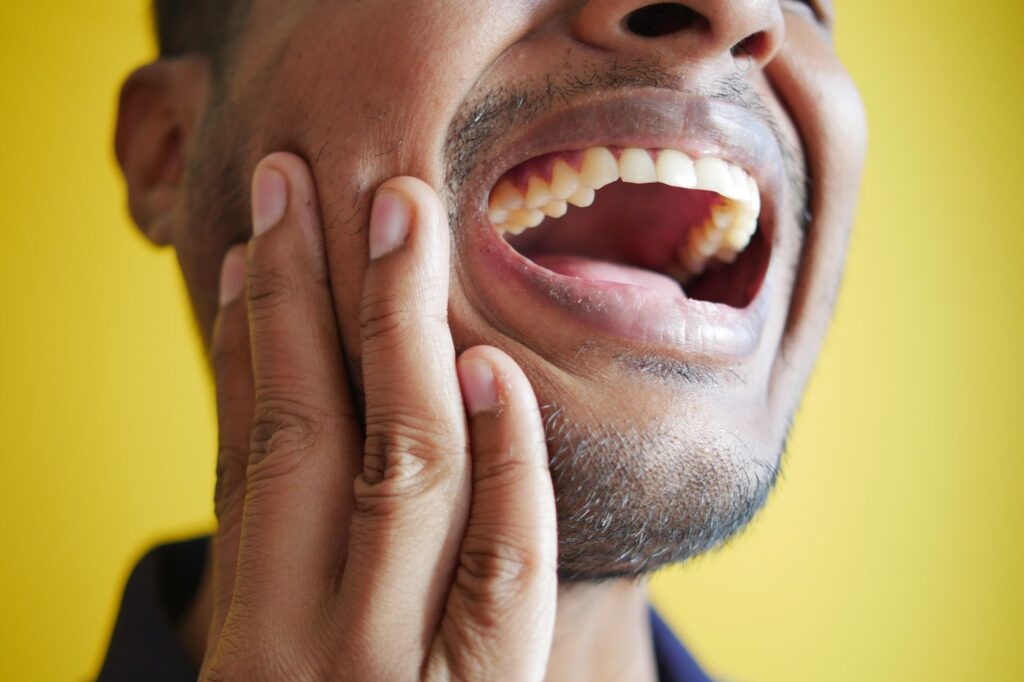
    Dental anxiety is common and treatable — it is not something to push through
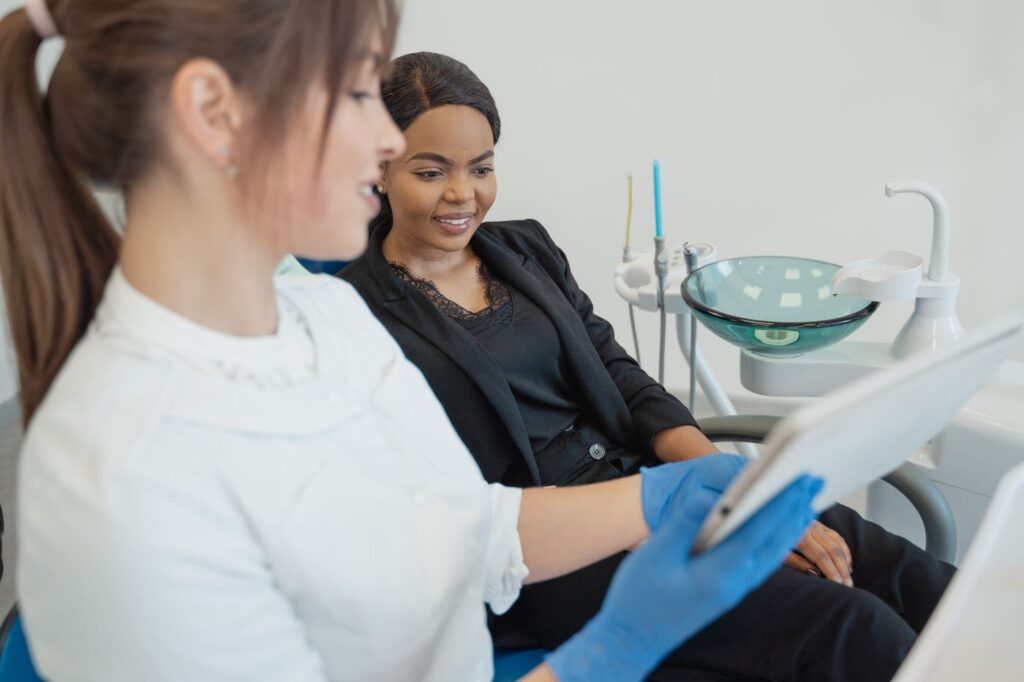
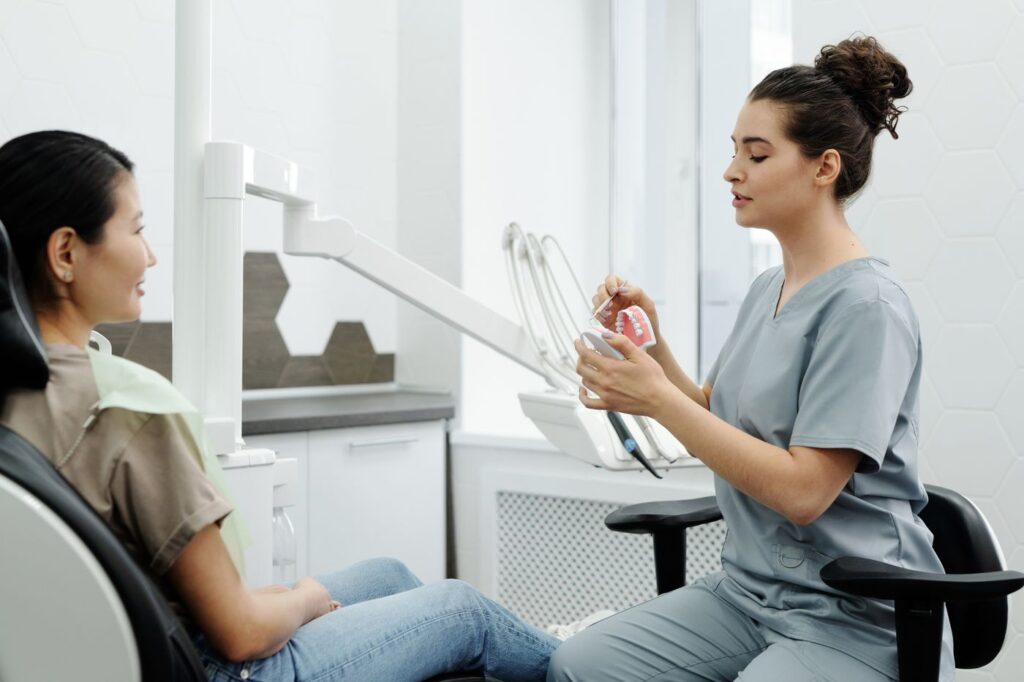
    Anxiety is not something to push through quietly — it changes what we can offer you.

    Root canals also carry a reputation built before modern anaesthesia and magnification. In practice the treatment relieves pain rather than causing it — the myths worth ignoring covers where that reputation came from.

    Your options compared

    Sedation options for endodontic treatment, compared
    OptionHow it is givenHow it feelsRecoveryCan you drive?
    None + local anaestheticInjection at the siteFully alert, tooth numbNoneYes
    Nitrous oxideGas through a small nasal hoodWarm, floating, calm; fully awareClears in about 5 minutesYes
    Oral sedationA tablet about an hour beforeDrowsy and detached; often little memoryRest of the dayNo
    IV sedationInto a vein, adjusted during treatmentDeeply relaxed; usually little memoryRest of the dayNo

    Swipe the table sideways to see every column.
    Nitrous oxide: the everyday option

    A small hood sits over your nose and you breathe normally. Effect begins within a couple of minutes: warm, slightly floaty, and noticeably less bothered by what is happening.

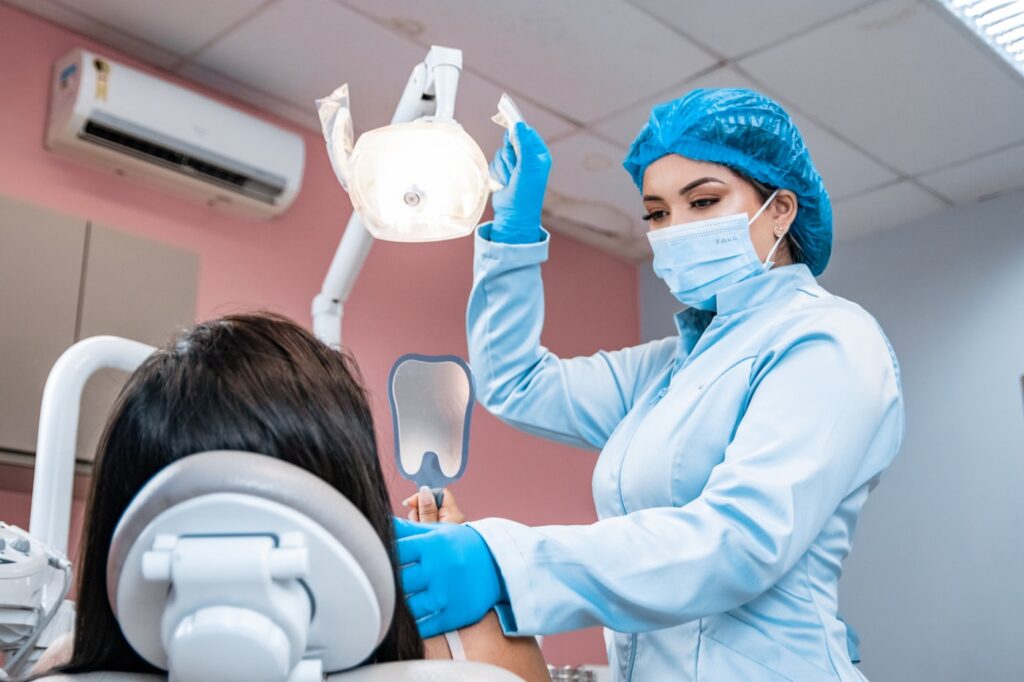
    The nitrous oxide hood is fitted at the chair and takes effect within minutes
    The nitrous hood is fitted at the chair and takes effect within minutes.

    Its real advantage is how fast it leaves. Five minutes of oxygen afterwards and you are clear to drive, work, and carry on with your day — which makes it practical for an appointment you did not plan. Our page on nitrous oxide covers who it suits.

    Oral sedation: for moderate anxiety

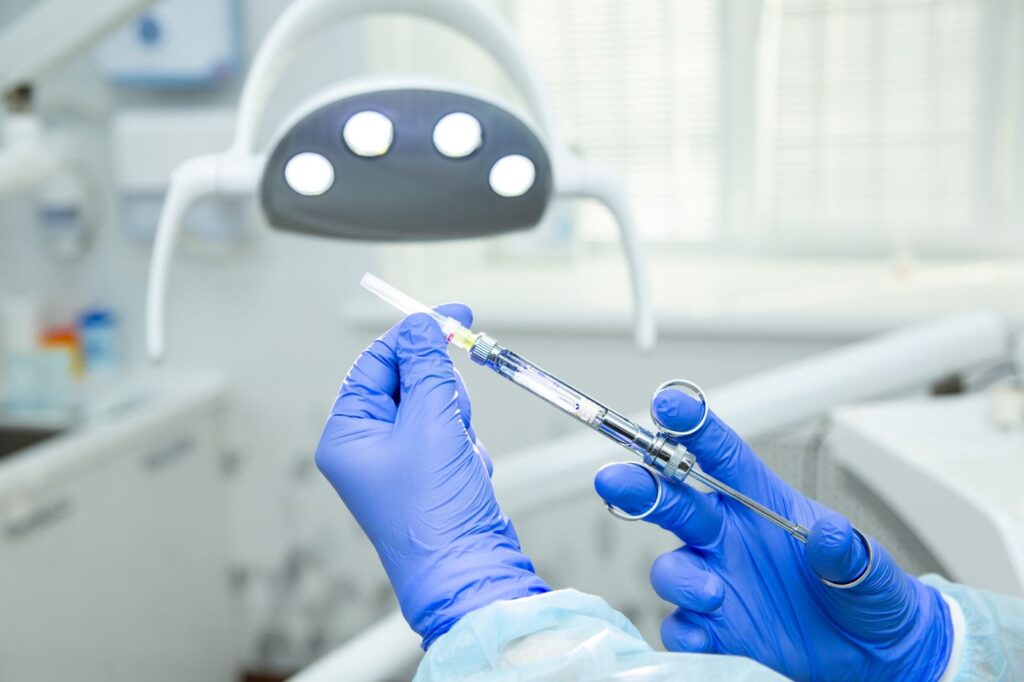
    A single dose of an anti-anxiety tablet, usually a benzodiazepine, taken about an hour before you arrive. It goes deeper than nitrous oxide and many patients remember little of the appointment.

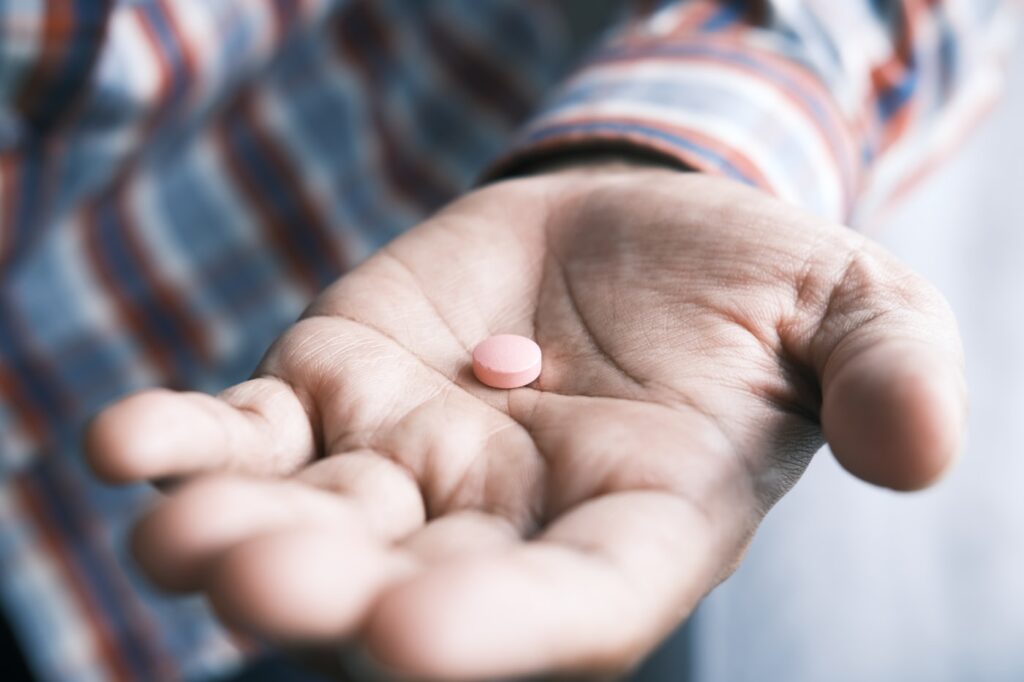
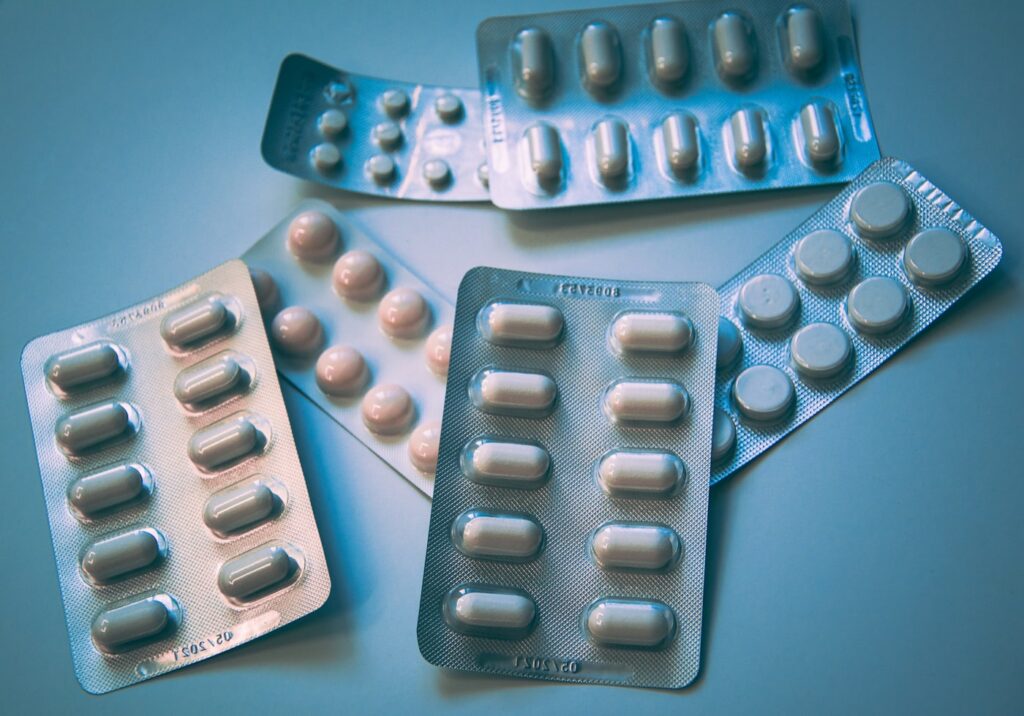
    Oral sedation is taken an hour before and needs someone to drive you
    Taken an hour beforehand, which means arranging your day around it.

    The trade-off is logistics: someone must drive you both ways, and you should not drive, drink alcohol or make significant decisions for 24 hours. See our sedation options for what we offer.

    What sedation does not do

    It does not replace local anaesthetic. The tooth still needs numbing, and you will still have the injection — you simply mind it much less.

    The aim is a patient who is comfortable, not unconscious
    The goal is a comfortable patient who can still respond, not an unconscious one.

    It also will not fix an inadequately numb tooth. An acutely inflamed pulp is genuinely harder to anaesthetise, which is why we use techniques suited to hot teeth rather than adding more sedation. If you are in that situation now, the emergency guide is the more useful read.

    What helps as much as the drugs

    • Tell us what the fear is. “I am fine until the injection” is far more useful than “I am nervous”.
    • Agree a stop signal — raising a hand pauses everything. Control is often the missing piece.
    • Book a morning appointment so you are not anticipating it all day.
    • Bring headphones. The sound bothers more people than the sensation.
    • Ask for a consultation first, with no treatment. Seeing the room and meeting the team removes a surprising amount of dread — see what a first visit involves.
    Telling us what specifically frightens you changes how we plan the visit
    Naming the specific fear is what lets us plan around it.
    Common fears, and what actually helps each one
    What frightens youWhat we changeSedation needed?
    The injectionTopical gel first, slow delivery, nitrous started beforehandOften nitrous alone
    The sound of instrumentsHeadphones and your own music; GentleWave uses less filingUsually none
    Loss of controlAn agreed hand signal that stops everything immediatelyUsually none
    GaggingUpright positioning, smaller instruments, paced breathingSometimes nitrous
    A previous bad experienceConsultation first with no treatment; slower pacingDepends on the visit
    Everything about itFull plan agreed in advance, longer appointment bookedOral or IV sedation

    Swipe the table sideways to see every column.

    Simple breathing and signalling techniques help more than people expect
    Paced breathing before and during the appointment measurably lowers the physical response.

    What we need to know first

    Which options are open to you depends on your medical history, not just your preference. Bring a current list of medications, including anything over the counter or herbal.

    Sleep apnoea, significant heart or lung conditions, pregnancy, and some antidepressants and sedatives all affect what is safe. Benzodiazepines in particular interact with a long list of medicines, which is why the tablet is prescribed after that review rather than before it.

    If you are having oral or IV sedation, arrange the whole day: someone to drive you both ways, no food for several hours beforehand if we ask, and nothing important scheduled afterwards. Getting the logistics wrong is the usual reason a sedation appointment has to be rebooked.

    Getting past the avoidance

    The hard part about dental anxiety is that avoidance reliably makes the eventual appointment worse, not better: a tooth that needed straightforward treatment becomes an abscess, and the routine visit you were dreading turns into the emergency you were dreading more.

    Most anxious patients say the anticipation was worse than the appointment
    Most anxious patients tell us afterwards that the anticipation was the worst part.

    Booking a consultation with no treatment attached is the simplest way to break that loop. Dr. Long and Dr. O’Neal see anxious patients every week, and you can contact the practice to arrange one. The American Dental Association’s overview of anaesthesia and sedation explains the levels in more detail.

    Frequently asked questions

    Will I be unconscious during the treatment?

    No. Nitrous oxide and oral sedation both leave you conscious and able to respond — the aim is that you stop minding the procedure, not that you are asleep. Only general anaesthesia produces unconsciousness, and it is rarely needed for endodontics.

    Can I drive myself home?

    After nitrous oxide, yes — it clears within about five minutes of the mask coming off. After oral or IV sedation, no. You need a responsible adult to drive you and you should not drive, work or make decisions for the rest of the day.

    Does sedation replace the numbing injection?

    No, and this surprises people. Sedation manages anxiety; local anaesthetic manages pain. You still need the injection — sedation simply means you mind it far less.

    What if I am afraid of the injection specifically?

    Say so. Topical gel applied first, a slow delivery technique, and nitrous oxide started beforehand between them handle most needle phobia. It is one of the most common fears we hear and there are established ways around it.

    Have Questions or Ready to Schedule?

    Our team is here to help — call, email, or request an appointment online.
    About this guide. Written for patients of Southeast Endodontics, PC, Charleston, SC. Which options are appropriate depends on your medical history and medication — that is decided at consultation, not in advance.

  • Root Canal Recovery: What Is Normal in the First Week

    Root Canal Recovery: What Is Normal in the First Week

    The treatment is over, the anaesthetic is wearing off, and the tooth is sore. That is expected — but knowing which soreness is healing and which is a problem is genuinely hard from the inside.

    This is what a normal recovery looks like day by day, and the specific signs that mean you should pick up the phone rather than wait another night.

    Key takeaways

    • Soreness peaks in the first 24–48 hours and should ease a little every day after that.
    • Most people are back to normal activity the same day and comfortable within a week.
    • Pain that climbs after day three is the red flag — direction matters more than intensity.
    • The permanent crown is part of recovery, not an optional extra afterwards.

    The first 24 hours

    The numbness wears off gradually over about two to four hours. Until it has fully gone, avoid chewing on that side entirely — a numb lip or cheek is remarkably easy to bite without noticing until later.

    Tenderness peaks in the first 48 hours and should ease daily after that
    Tenderness peaks in the first 48 hours, then eases a little each day.

    Start pain relief before the anaesthetic fully wears off rather than after. Ibuprofen suits this kind of discomfort because it targets inflammation, which is what is actually causing it.

    A realistic recovery timeline

    What to expect day by day after root canal treatment
    WhenWhat is normalWhat is not
    First 4 hoursNumbness; avoid chewing on that sideBitten lip or cheek from chewing while numb
    Day 1–2Soreness peaks; tender to bite; mild jaw ache from holding openFacial swelling, fever, pain that medication will not touch
    Day 3–4Noticeably easier; discomfort mainly on chewingPain increasing rather than easing
    Day 5–7Mostly comfortable; occasional twingeA returning throb, or a bad taste from the tooth
    Week 2–4Mild bite sensitivity may lingerTemporary filling lost, or the tooth feels loose
    After the crownNormal function restoredA high spot that makes the tooth hit first

    Swipe the table sideways to see every column.

    Managing the soreness well

    1. Take anti-inflammatories on schedule for the first 48 hours rather than waiting for pain.
    2. Chew on the other side until the permanent restoration is fitted.
    3. Keep the area clean — brush and floss normally, gently.
    4. Sleep slightly propped up on the first night if the tooth throbs when you lie flat.
    5. Skip alcohol and smoking for a couple of days; both slow soft-tissue healing.
    Anti-inflammatories work better than paracetamol for post-treatment soreness
    Anti-inflammatories suit this better than paracetamol alone, because the pain is inflammatory.
    Aftercare: what helps recovery and what sets it back
    ActionHelps?Why
    Ibuprofen on schedule for 48 hoursYesTargets the inflammation actually causing the soreness
    Chewing on the other sideYesProtects the temporary filling until the crown is fitted
    Brushing and flossing as normalYesKeeps the gum healthy; the tooth is not fragile to a brush
    Delaying the permanent crownNoTemporaries leak within weeks, letting bacteria back in
    Testing it by biting hardNoIrritates an already inflamed ligament and slows settling
    Smoking in the first daysNoReduces blood flow and slows soft-tissue healing

    Swipe the table sideways to see every column.

    Chew on the other side until the permanent restoration is in place
    Softer food for a few days is about protecting a temporary filling, not about the tooth being fragile.

    There is no need for a liquid diet. Soft food for two or three days simply avoids dislodging the temporary filling. Our after-treatment instructions cover the practical details, and the pre-treatment guidance is worth reading before your next appointment.

    When to call us

    Normal recovery gets better. The single most useful thing to watch is direction of travel, not severity.

    Pain that climbs after day three is the signal to call
    Pain that climbs after day three is the signal — not how bad day one felt.
    • Pain increasing after day three rather than settling.
    • Facial swelling, or swelling that spreads — see which symptoms need same-day care.
    • Fever, or feeling generally unwell.
    • The temporary filling comes out, or the tooth develops a bad taste.
    • Your bite feels wrong — the tooth hitting first is easily adjusted and worth fixing quickly.

    Do not skip the crown

    A treated back tooth has lost internal structure and is loaded every time you chew. Without full coverage it commonly fractures — and a fractured root cannot be retreated, only extracted.

    The permanent crown is what stops the tooth fracturing later
    The permanent restoration is what makes the treatment last.

    Book the permanent restoration promptly, and do not let it drift down the list. A temporary filling is designed to last weeks, not months, and leaking around it lets bacteria back into the canal system, which is a common route to treatment failing and needing retreatment.

    Getting back to normal

    Most people return to work or school the same day. There is no sedation hangover from local anaesthetic alone, and the tooth is sore rather than incapacitating.

    Exercise is fine once the numbness has gone, though it is worth skipping heavy lifting on the first day — anything that raises blood pressure sharply can make a freshly treated tooth throb. Contact sport should wait until the permanent crown is fitted.

    If you were prescribed antibiotics because there was swelling, finish the course even after the pain stops. Stopping early is one of the more common reasons an infection returns a few weeks later.

    What “healed” actually means

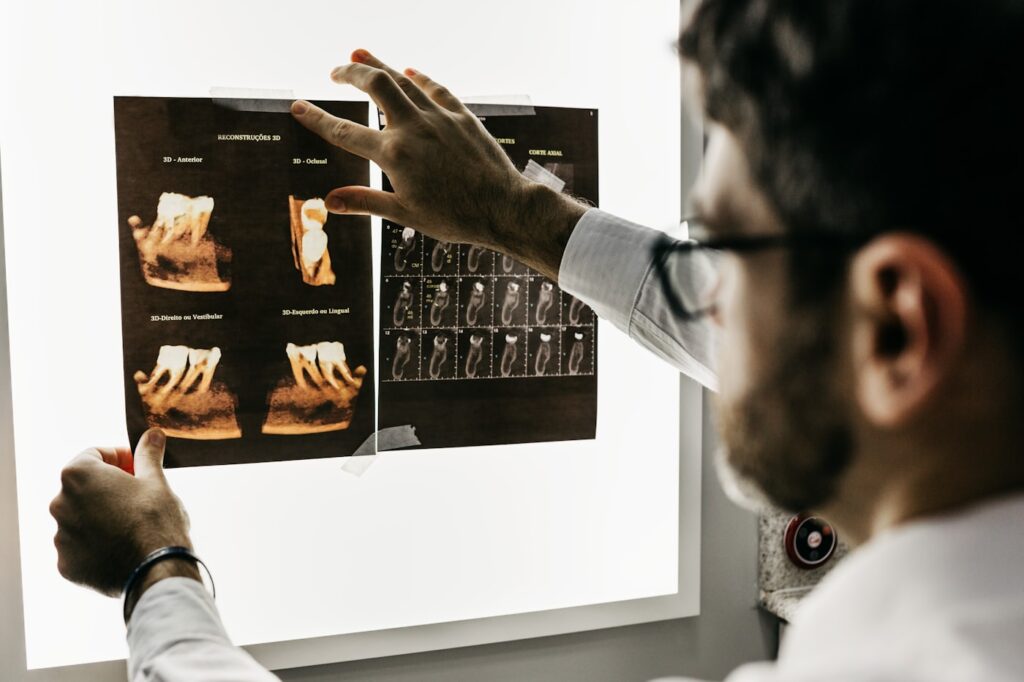
    Comfort and healing run on different timelines, and this catches people out. You will feel normal within a week or two, but if there was an infection at the root tip, the bone around it rebuilds slowly over six to twelve months. That is why we sometimes want a follow-up radiograph at six months rather than relying on how the tooth feels — a comfortable tooth can still be healing, and occasionally a comfortable tooth is not healing at all.

    Full comfort usually returns within a week
    Comfort returns in days; the bone around the root tip heals over months.

    Long term, a treated tooth is just a tooth: brush, floss and keep your check-ups. Cleveland Clinic’s overview of root canal treatment covers the procedure and what follows it, and our tips for protecting your natural teeth apply as much to a treated tooth as any other.

    Frequently asked questions

    How long does pain last after a root canal?

    Tenderness usually peaks in the first 24–48 hours and eases a little each day after that. Most people are comfortable within three to seven days, with mild sensitivity on biting sometimes lingering a week or two longer.

    Is it normal for the tooth to feel sore when I bite?

    Yes, for a while. The ligament around the root is bruised by the treatment and by the infection before it. It settles as the inflammation resolves. Sharp pain on biting that appears suddenly weeks later is different and needs checking.

    Which painkiller works best afterwards?

    Ibuprofen, if it is suitable for you, because the discomfort is inflammatory rather than nerve pain. Taken regularly for the first day or two it works better than waiting for pain to build. Follow the packet, and check with your doctor if you take other medication.

    When should I call instead of waiting it out?

    Call if pain is climbing after day three rather than falling, if your face swells, if you develop a fever, or if the temporary filling comes out. Those are not part of normal healing.

    Have Questions or Ready to Schedule?

    Our team is here to help — call, email, or request an appointment online.

    About this guide. Written for patients of Southeast Endodontics, PC, Charleston, SC. General information, not a substitute for advice about your own treatment — if something feels wrong, call rather than wait.