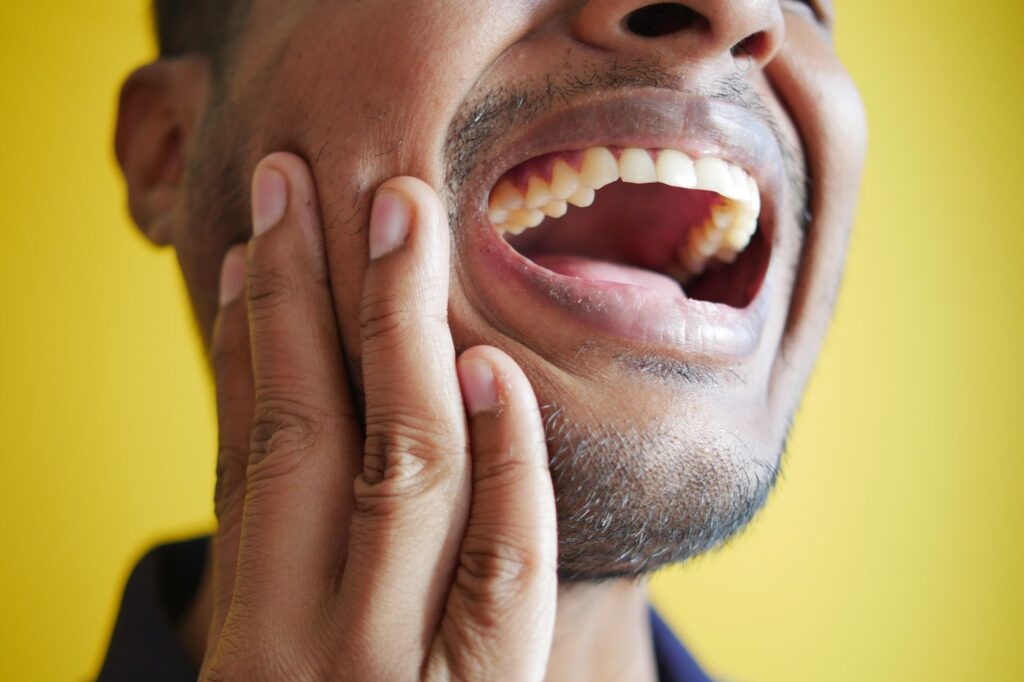
Tooth pain that arrives suddenly and refuses to settle is one of the few dental problems that genuinely cannot wait. The difficulty is knowing whether you need an appointment this week, this morning, or a hospital right now.
Go to an emergency room immediately if you have swelling spreading toward your eye or down your neck, difficulty breathing or swallowing, a fever above 101°F with facial swelling, or you cannot open your mouth.
These signal an infection moving beyond the tooth. A hospital can stabilise your airway and the infection — dental treatment follows afterwards.
Key takeaways
- Pain that wakes you at night, lingers after hot or cold, or builds without a trigger means the pulp is inflamed beyond recovery.
- Swelling changes the picture entirely — facial swelling is same-day, spreading swelling is the emergency room.
- Pain disappearing is not recovery. It usually means the nerve has died and infection is moving into the bone.
- Antibiotics alone will not fix it. They cannot reach inside a canal that has lost its blood supply.
Six signs you need urgent endodontic care
- Spontaneous, throbbing pain that starts with no trigger — particularly at night.
- Lingering temperature sensitivity. Pain that continues more than 30 seconds after the hot or cold is gone.
- Sharp pain on biting or when you release the bite.
- A bump or pimple on the gum near the tooth, which may taste unpleasant if it drains.
- Facial or gum swelling, even without much pain.
- The tooth has darkened compared with its neighbours.

How urgent is your symptom?
| Symptom | Urgency | What to do |
|---|---|---|
| Swelling spreading to eye, neck or throat; trouble swallowing | Emergency room now | Go to hospital. Airway and infection first, tooth second. |
| Facial swelling with fever | Same day | Call an endodontist first thing; expect drainage and antibiotics. |
| Severe throbbing pain waking you at night | Same day | Call for an urgent appointment. Pain relief comes from treating the pulp. |
| Knocked-out or displaced adult tooth | Within the hour | Keep it moist in milk or saliva — never scrub the root. |
| Lingering hot/cold pain over 30 seconds | Within days | Book an assessment before it becomes an emergency. |
| Brief sensitivity that fades in seconds | Routine | Mention it at your next check-up; often reversible. |
Swipe the table sideways to see every column.
A knocked-out or displaced tooth follows a different protocol entirely — our page on treating traumatic dental injuries covers what to do in the first hour, which largely determines whether the tooth survives.
What is actually happening inside the tooth
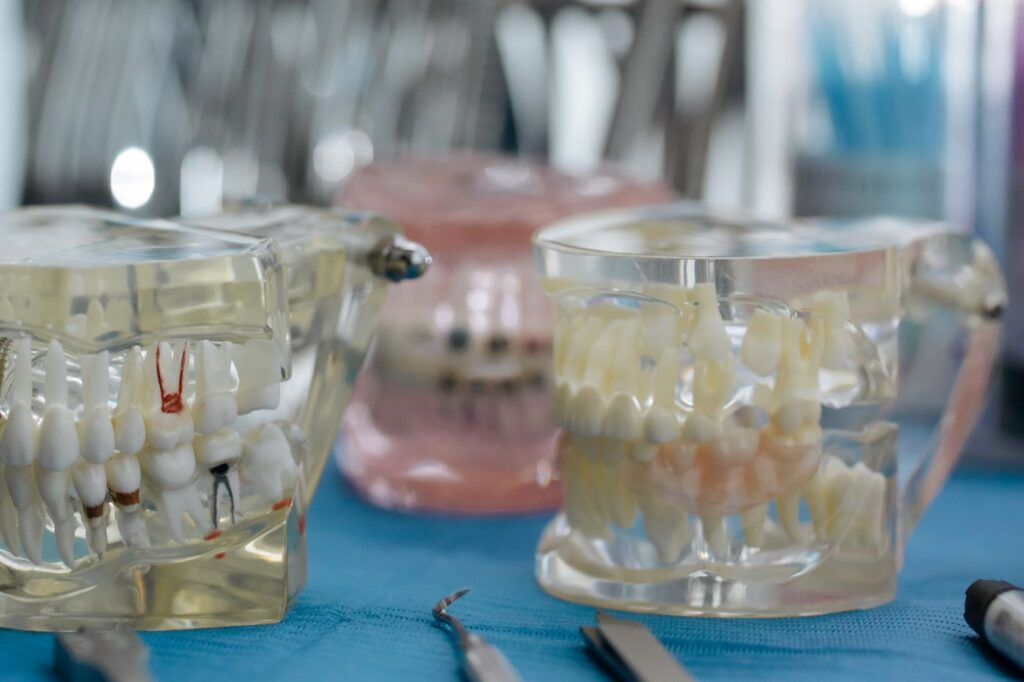
The pulp sits inside rigid walls of dentine with nowhere to expand. When it becomes inflamed, pressure builds against the nerve with no release, which is why the pain is disproportionate to the size of the problem.
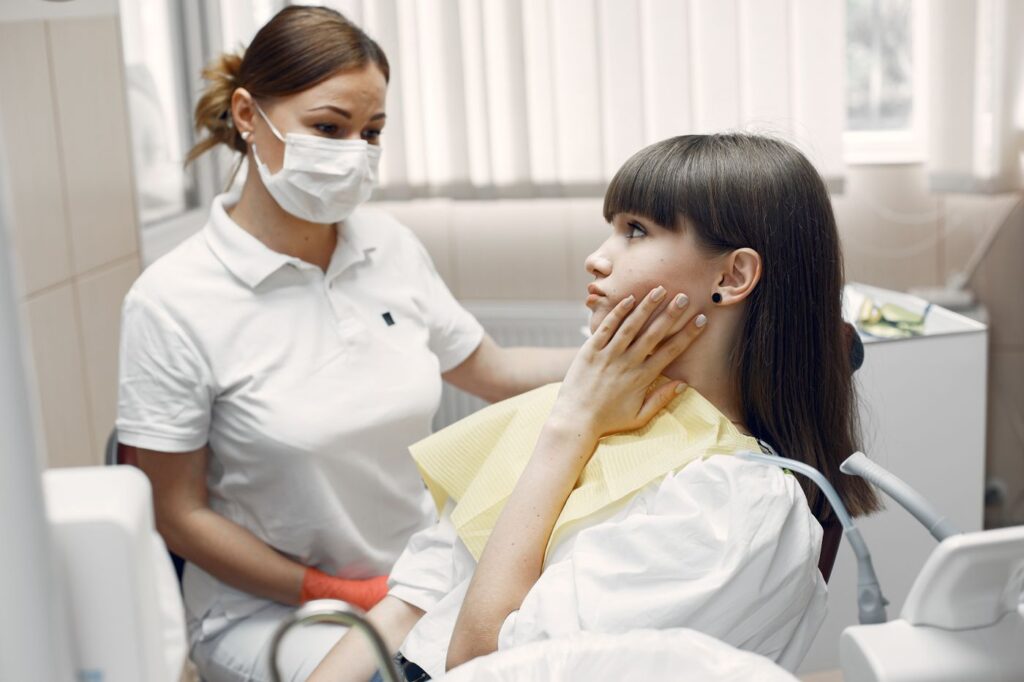
Left alone, the pulp dies and bacteria push out through the root tip into the bone, forming an abscess. That is the stage where swelling appears — and where a manageable problem becomes a spreading one.
What to do before your appointment
- Call for an appointment first — everything else is holding measures.
- Take ibuprofen if you can, following the packet, since it targets inflammation rather than only pain.
- Sleep propped up on extra pillows to reduce pressure in the head.
- Use a cold compress on the outside of the cheek, twenty minutes on and twenty off.
- Keep eating on the other side and avoid extremes of temperature.

| Measure | Helps? | Why |
|---|---|---|
| Cold compress on the cheek | Yes | Reduces swelling and dulls the nerve signal |
| Ibuprofen (if suitable for you) | Yes | Targets the inflammation driving the pressure |
| Sleeping propped up | Yes | Lowers blood pressure in the head at night |
| Heat pad on the face | No | Increases blood flow and can spread infection |
| Aspirin held against the gum | No | Chemically burns the gum tissue; does nothing for the pulp |
| Leftover antibiotics | No | Cannot reach inside the canal and encourages resistance |
Swipe the table sideways to see every column.
What an emergency appointment involves
We test the surrounding teeth first, because pain frequently refers from one tooth to another and treating the wrong one is easy. Focused imaging then shows the state of the root and bone.
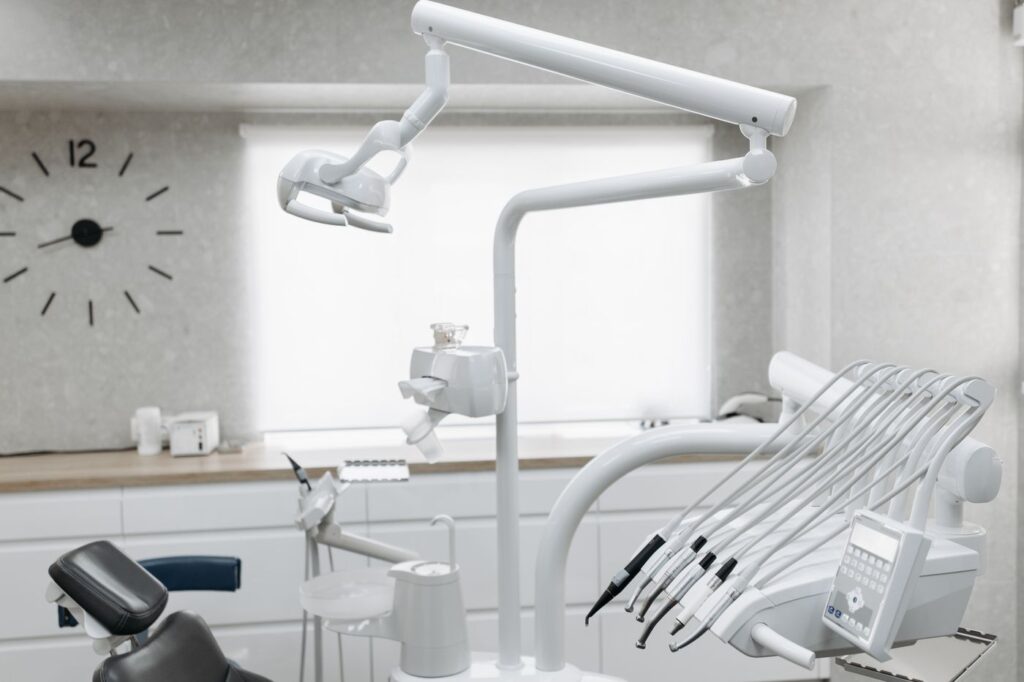
Getting you numb is the priority. An acutely inflamed pulp is harder to anaesthetise, so we use techniques suited to hot teeth — and sedation options for anxious or difficult cases are available, including nitrous oxide for mild sedation.
Most patients notice relief as soon as pressure is released from the canal. Our after-treatment instructions and recovery FAQ covers the days that follow.
Getting seen in Charleston
If you have pain or an emergency, every attempt is made to see you the same day. Call the office as early as you can, and say clearly that you are in acute pain or have swelling, so the call is triaged correctly.

If it is the weekend or after hours, leave a message with your name, the tooth involved and a number you will actually answer — it lets us triage first thing in the morning. Having your referring dentist’s name and any recent X-rays to hand shortens the appointment considerably, and if you have already started antibiotics, bring the packet so we can see the dose and the date you began.

You do not need a referral to be seen, though bringing recent X-rays helps. See our Charleston office location and contact details, or how appointment scheduling works. The ADA’s guidance on handling dental emergencies is a useful reference to keep on hand.
Frequently asked questions
Can a root canal be done the same day?
Often, yes. If the diagnosis is clear and the tooth is accessible, treatment can usually start at the same visit. Where there is significant swelling we may drain the infection and start antibiotics first, then complete treatment once it settles.
Should I go to the ER for tooth pain?
A hospital can manage swelling, infection and pain, but cannot treat the tooth. Go to the ER for swelling spreading toward the eye or throat, difficulty breathing or swallowing, or a fever above 101°F. For pain alone, an endodontist is the faster route to a fix.
Why does my tooth hurt more at night?
Lying flat increases blood pressure in the head, which raises pressure inside an already inflamed pulp. Fewer distractions make it more noticeable too. Pain that reliably wakes you is a classic sign of irreversible pulpitis.
Will antibiotics clear it up without treatment?
Antibiotics can reduce swelling and buy time, but they cannot reach bacteria inside the canal system, which has no blood supply left to carry the drug in. Symptoms return once the course finishes unless the tooth is treated.
Have Questions or Ready to Schedule?
Our team is here to help — call, email, or request an appointment online.