The treatment is over, the anaesthetic is wearing off, and the tooth is sore. That is expected — but knowing which soreness is healing and which is a problem is genuinely hard from the inside.
This is what a normal recovery looks like day by day, and the specific signs that mean you should pick up the phone rather than wait another night.
Key takeaways
- Soreness peaks in the first 24–48 hours and should ease a little every day after that.
- Most people are back to normal activity the same day and comfortable within a week.
- Pain that climbs after day three is the red flag — direction matters more than intensity.
- The permanent crown is part of recovery, not an optional extra afterwards.
The first 24 hours
The numbness wears off gradually over about two to four hours. Until it has fully gone, avoid chewing on that side entirely — a numb lip or cheek is remarkably easy to bite without noticing until later.
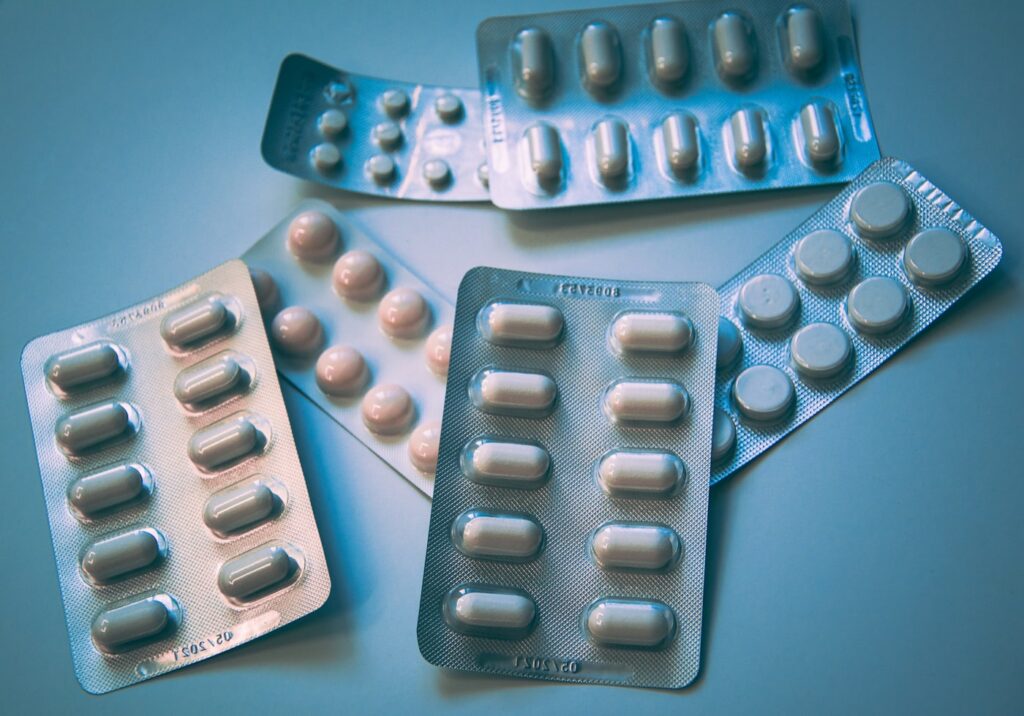
Start pain relief before the anaesthetic fully wears off rather than after. Ibuprofen suits this kind of discomfort because it targets inflammation, which is what is actually causing it.
A realistic recovery timeline
| When | What is normal | What is not |
|---|---|---|
| First 4 hours | Numbness; avoid chewing on that side | Bitten lip or cheek from chewing while numb |
| Day 1–2 | Soreness peaks; tender to bite; mild jaw ache from holding open | Facial swelling, fever, pain that medication will not touch |
| Day 3–4 | Noticeably easier; discomfort mainly on chewing | Pain increasing rather than easing |
| Day 5–7 | Mostly comfortable; occasional twinge | A returning throb, or a bad taste from the tooth |
| Week 2–4 | Mild bite sensitivity may linger | Temporary filling lost, or the tooth feels loose |
| After the crown | Normal function restored | A high spot that makes the tooth hit first |
Swipe the table sideways to see every column.
Managing the soreness well
- Take anti-inflammatories on schedule for the first 48 hours rather than waiting for pain.
- Chew on the other side until the permanent restoration is fitted.
- Keep the area clean — brush and floss normally, gently.
- Sleep slightly propped up on the first night if the tooth throbs when you lie flat.
- Skip alcohol and smoking for a couple of days; both slow soft-tissue healing.
| Action | Helps? | Why |
|---|---|---|
| Ibuprofen on schedule for 48 hours | Yes | Targets the inflammation actually causing the soreness |
| Chewing on the other side | Yes | Protects the temporary filling until the crown is fitted |
| Brushing and flossing as normal | Yes | Keeps the gum healthy; the tooth is not fragile to a brush |
| Delaying the permanent crown | No | Temporaries leak within weeks, letting bacteria back in |
| Testing it by biting hard | No | Irritates an already inflamed ligament and slows settling |
| Smoking in the first days | No | Reduces blood flow and slows soft-tissue healing |
Swipe the table sideways to see every column.

There is no need for a liquid diet. Soft food for two or three days simply avoids dislodging the temporary filling. Our after-treatment instructions cover the practical details, and the pre-treatment guidance is worth reading before your next appointment.
When to call us
Normal recovery gets better. The single most useful thing to watch is direction of travel, not severity.

- Pain increasing after day three rather than settling.
- Facial swelling, or swelling that spreads — see which symptoms need same-day care.
- Fever, or feeling generally unwell.
- The temporary filling comes out, or the tooth develops a bad taste.
- Your bite feels wrong — the tooth hitting first is easily adjusted and worth fixing quickly.
Do not skip the crown
A treated back tooth has lost internal structure and is loaded every time you chew. Without full coverage it commonly fractures — and a fractured root cannot be retreated, only extracted.
Book the permanent restoration promptly, and do not let it drift down the list. A temporary filling is designed to last weeks, not months, and leaking around it lets bacteria back into the canal system, which is a common route to treatment failing and needing retreatment.
Getting back to normal
Most people return to work or school the same day. There is no sedation hangover from local anaesthetic alone, and the tooth is sore rather than incapacitating.
Exercise is fine once the numbness has gone, though it is worth skipping heavy lifting on the first day — anything that raises blood pressure sharply can make a freshly treated tooth throb. Contact sport should wait until the permanent crown is fitted.
If you were prescribed antibiotics because there was swelling, finish the course even after the pain stops. Stopping early is one of the more common reasons an infection returns a few weeks later.
What “healed” actually means
Comfort and healing run on different timelines, and this catches people out. You will feel normal within a week or two, but if there was an infection at the root tip, the bone around it rebuilds slowly over six to twelve months. That is why we sometimes want a follow-up radiograph at six months rather than relying on how the tooth feels — a comfortable tooth can still be healing, and occasionally a comfortable tooth is not healing at all. Our guide to what actually governs endodontic healing covers the factors behind that.

Long term, a treated tooth is just a tooth: brush, floss and keep your check-ups. Cleveland Clinic’s overview of root canal treatment covers the procedure and what follows it, and our tips for protecting your natural teeth apply as much to a treated tooth as any other.
Frequently asked questions
How long does pain last after a root canal?
Tenderness usually peaks in the first 24–48 hours and eases a little each day after that. Most people are comfortable within three to seven days, with mild sensitivity on biting sometimes lingering a week or two longer.
Is it normal for the tooth to feel sore when I bite?
Yes, for a while. The ligament around the root is bruised by the treatment and by the infection before it. It settles as the inflammation resolves. Sharp pain on biting that appears suddenly weeks later is different and needs checking.
Which painkiller works best afterwards?
Ibuprofen, if it is suitable for you, because the discomfort is inflammatory rather than nerve pain. Taken regularly for the first day or two it works better than waiting for pain to build. Follow the packet, and check with your doctor if you take other medication.
When should I call instead of waiting it out?
Call if pain is climbing after day three rather than falling, if your face swells, if you develop a fever, or if the temporary filling comes out. Those are not part of normal healing.
Have Questions or Ready to Schedule?
Our team is here to help — call, email, or request an appointment online.