A root canal is supposed to end the problem. When the tooth starts aching again — six months later, or six years — it feels like the treatment was wasted.
Usually it was not. Most previously treated teeth can still be saved, and there is a clear order to the options. Here is why treatment fails, what each second attempt actually achieves, and when stopping is the right call.
Key takeaways
- Initial treatment succeeds around 86% of the time, so failures happen without anyone doing anything wrong.
- The usual cause is anatomy that was never reached — a missed canal or an incomplete seal.
- Non-surgical retreatment comes first, then surgery, then extraction. In that order.
- Microsurgical apicoectomy reports success rates of 90% or better, well above older figures.
Why root canals fail
Failure almost always comes down to bacteria surviving somewhere in the canal system, or getting back in afterwards.

- A missed canal. Molars often have an extra canal that is genuinely hard to find without magnification.
- Complex anatomy — curves, branches and fins that instruments cannot reach.
- An incomplete seal at the root tip, letting bacteria persist. This is the single most cited cause.
- Delayed restoration. A temporary filling left too long leaks, and bacteria re-enter a cleaned canal.
- New decay or a fracture creating a fresh route in, years after successful treatment.
The signs to take seriously
A treated tooth should be comfortable. Any of these warrants an assessment rather than watchful waiting:
- Pain returning after a period of comfort, particularly on biting.
- A pimple or bump on the gum near the tooth, which may drain and taste unpleasant.
- Swelling or tenderness over the root.
- The tooth darkening compared with its neighbours.
- An area of shadow at the root tip that your dentist notices on a routine radiograph, even with no symptoms.
That last one matters — a failing tooth is often silent. Symptoms overlap with a crack in the tooth, which is why testing rather than guesswork decides it.
| What you notice | Most likely cause | What it changes |
|---|---|---|
| Pain on biting that returns after months of comfort | Missed canal, or a crack developing | Needs testing before assuming retreatment |
| A bump on the gum that drains | Persistent infection at the root tip | Retreatment or apicoectomy |
| Swelling over the root, no pain | Chronic low-grade infection | Usually still savable |
| Shadow at the root tip on a routine X-ray | Incomplete healing, often symptomless | Assessment now, before it flares |
| Tooth feels loose | Bone loss or a root fracture | Prognosis is poorer; may mean extraction |
Swipe the table sideways to see every column.
Your three options, compared
| Option | What happens | Reported success | Best when |
|---|---|---|---|
| Non-surgical retreatment | Tooth reopened, old filling removed, canals recleaned and resealed | ~78% overall; 71–77% at 1–5 years | The canals can be re-accessed — the usual first choice |
| Apicoectomy (root-end surgery) | Root tip and infected tissue removed through the gum, root end sealed | 90%+ when done microsurgically | A post or crown blocks re-entry, or retreatment has failed |
| Extraction + implant | Tooth removed, implant placed after healing | ~90% implant survival at ~7 years | The tooth is fractured or unrestorable |
| Extraction alone | Tooth removed, gap left | n/a | Rarely ideal — see the alternatives guide |
Swipe the table sideways to see every column.

Retreatment: the usual first step
Retreatment means undoing the first attempt before redoing it. The crown or filling is opened, the previous root filling material removed, and the canal system explored properly under a microscope.

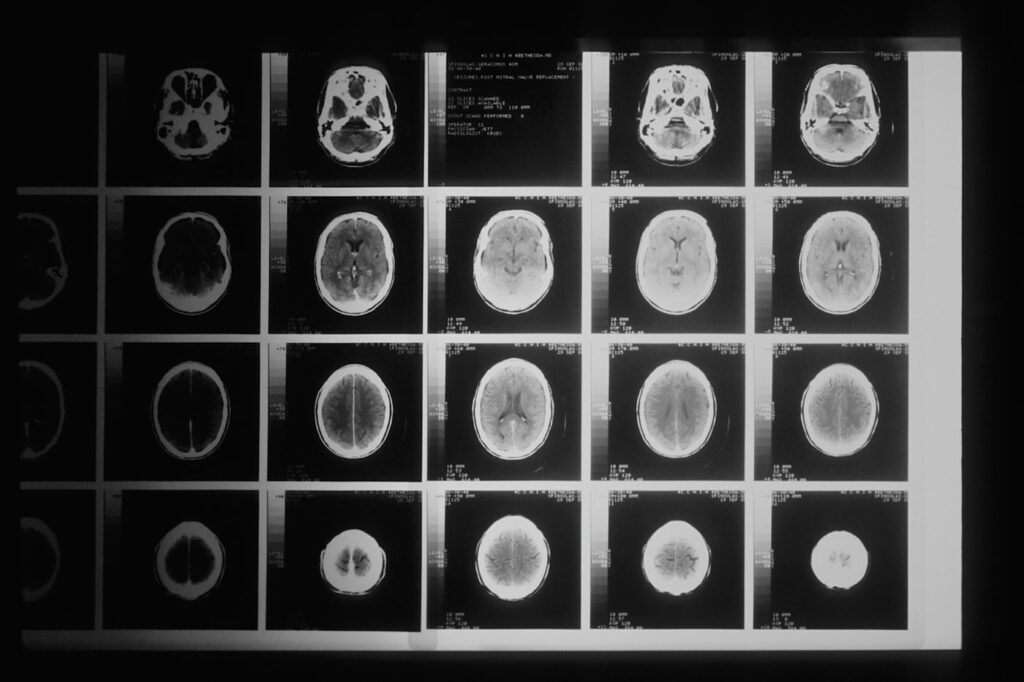
Modern imaging changes the odds here. Cone-beam CT shows canals a standard radiograph flattens into invisibility, which is often exactly where the problem was hiding.
Our page on endodontic retreatment covers the procedure, and the technology we use explains the imaging.
When surgery is the better route
Sometimes reopening the tooth is the wrong move — a well-fitting post and crown may not survive removal, or the canal may be blocked by a separated instrument.
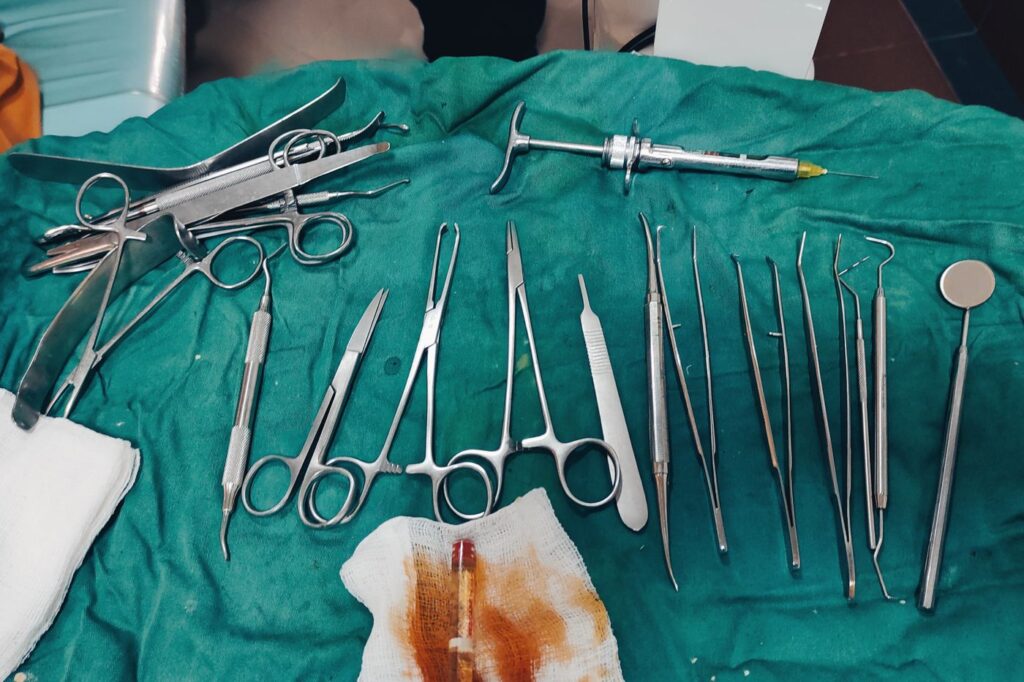
An apicoectomy approaches from the side instead: the root tip and surrounding infected tissue are removed through the gum, and the end of the root is sealed. Done under a microscope, reported success is 90% or better. See how apicoectomy works and endodontic surgery generally.
How long before you know it worked
Retreatment is not judged on how the tooth feels next week. Symptoms usually settle within days, but the bone around the root tip rebuilds slowly.
We normally review at six months and again at a year, comparing radiographs to see whether the shadow is shrinking. A tooth that is comfortable but shows no bone healing at twelve months is the one that may still need surgery.
That timescale is worth knowing before you start, because it changes how you read the first few weeks. Discomfort easing is a good sign; it is not yet proof, and neither is a single follow-up film.
When to stop trying
Being honest about limits matters as much as knowing the options. We will recommend extraction when the tooth has a vertical root fracture, when too little structure remains to restore it, when severe bone loss has already loosened it, or when both retreatment and surgery have been tried.

The order matters because it runs from least to most irreversible. Once the tooth is out it cannot be put back, so a specialist opinion belongs before that decision. The alternatives compared on ten-year cost covers what follows extraction.
If you have been told a treated tooth is hopeless, that is worth a second look. Our guide to getting a second opinion on a tooth covers how to get your records and what to ask. Dr. Long and Dr. O’Neal assess these cases routinely — see what a consultation involves. The published 13-year analysis of outcomes after non-surgical treatment fails is the underlying evidence for the ordering above.
Frequently asked questions
How common is it for a root canal to fail?
Uncommon, but not rare. Published figures put initial treatment success around 86%, so roughly one tooth in seven eventually needs something further — sometimes years later.
Can a failed root canal be fixed without surgery?
Usually yes. Non-surgical retreatment is the first option: the tooth is reopened, the old filling material removed, missed anatomy cleaned, and the canals resealed. Surgery is generally reserved for cases where that is not possible or has already been tried.
Does retreatment hurt more than the first time?
No. It takes longer, because the previous filling has to come out before anything else can happen, but it is done under the same anaesthetic and most patients find it comparable.
Should I just have an implant instead?
Not as a first move. Retreatment is less invasive, cheaper, and keeps your own root and ligament. An implant is a reasonable answer once the tooth genuinely cannot be saved — but that decision is irreversible, so it is worth an endodontist’s opinion first.
Have Questions or Ready to Schedule?
Our team is here to help — call, email, or request an appointment online.