
Plenty of people put off a root canal for months because of how the appointment makes them feel, not because of the tooth. That delay usually makes the treatment bigger, not smaller.
Dental anxiety is common, well understood, and manageable. Here is what each sedation option actually does, what it costs you in recovery time, and how to work out which one fits.
Key takeaways
- Sedation manages anxiety; local anaesthetic manages pain. You need both — one does not replace the other.
- Nitrous oxide is the only option after which you can drive yourself home.
- Oral and IV sedation both need someone to drive you and take the rest of the day off.
- Telling us what specifically frightens you changes how we plan the visit, often more than the drugs do.
Why the appointment feels worse than it is
Most dental fear traces back to a specific thing: the injection, the sound, the loss of control, gagging, or a bad experience years ago. Each has a different practical answer.

Root canals also carry a reputation built before modern anaesthesia and magnification. In practice the treatment relieves pain rather than causing it — the myths worth ignoring covers where that reputation came from.
Your options compared
| Option | How it is given | How it feels | Recovery | Can you drive? |
|---|---|---|---|---|
| None + local anaesthetic | Injection at the site | Fully alert, tooth numb | None | Yes |
| Nitrous oxide | Gas through a small nasal hood | Warm, floating, calm; fully aware | Clears in about 5 minutes | Yes |
| Oral sedation | A tablet about an hour before | Drowsy and detached; often little memory | Rest of the day | No |
| IV sedation | Into a vein, adjusted during treatment | Deeply relaxed; usually little memory | Rest of the day | No |
Swipe the table sideways to see every column.
Nitrous oxide: the everyday option
A small hood sits over your nose and you breathe normally. Effect begins within a couple of minutes: warm, slightly floaty, and noticeably less bothered by what is happening.
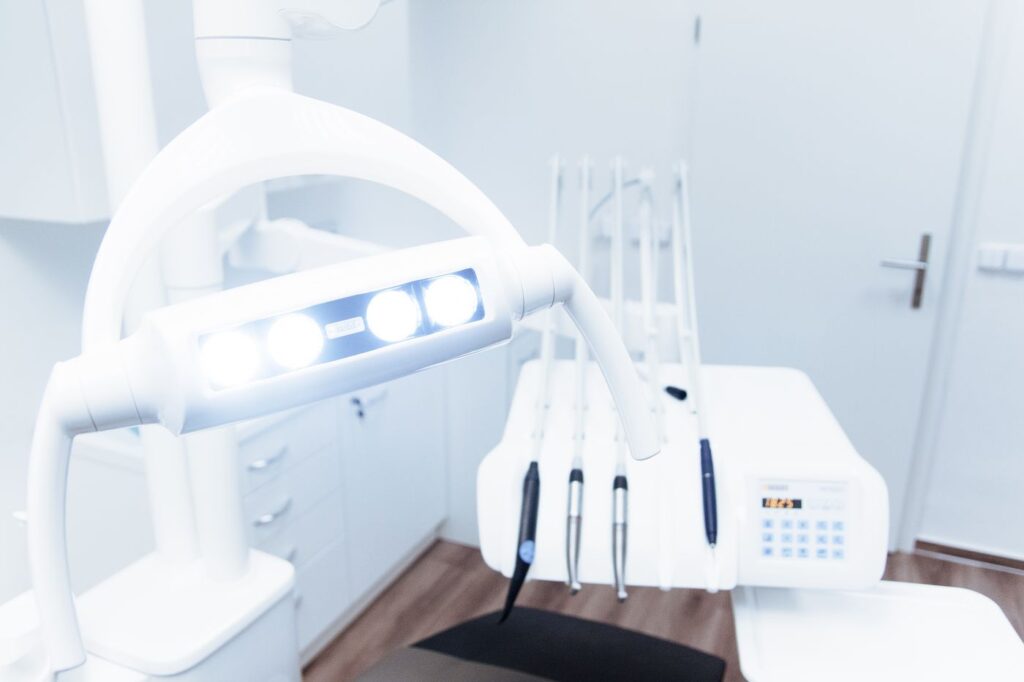
Its real advantage is how fast it leaves. Five minutes of oxygen afterwards and you are clear to drive, work, and carry on with your day — which makes it practical for an appointment you did not plan. Our page on nitrous oxide covers who it suits.
Oral sedation: for moderate anxiety
A single dose of an anti-anxiety tablet, usually a benzodiazepine, taken about an hour before you arrive. It goes deeper than nitrous oxide and many patients remember little of the appointment.

The trade-off is logistics: someone must drive you both ways, and you should not drive, drink alcohol or make significant decisions for 24 hours. See our sedation options for what we offer.
What sedation does not do
It does not replace local anaesthetic. The tooth still needs numbing, and you will still have the injection — you simply mind it much less.

It also will not fix an inadequately numb tooth. An acutely inflamed pulp is genuinely harder to anaesthetise, which is why we use techniques suited to hot teeth rather than adding more sedation. If you are in that situation now, the emergency guide is the more useful read.
What helps as much as the drugs
- Tell us what the fear is. “I am fine until the injection” is far more useful than “I am nervous”.
- Agree a stop signal — raising a hand pauses everything. Control is often the missing piece.
- Book a morning appointment so you are not anticipating it all day.
- Bring headphones. The sound bothers more people than the sensation.
- Ask for a consultation first, with no treatment. Seeing the room and meeting the team removes a surprising amount of dread — see what a first visit involves.

| What frightens you | What we change | Sedation needed? |
|---|---|---|
| The injection | Topical gel first, slow delivery, nitrous started beforehand | Often nitrous alone |
| The sound of instruments | Headphones and your own music; GentleWave uses less filing | Usually none |
| Loss of control | An agreed hand signal that stops everything immediately | Usually none |
| Gagging | Upright positioning, smaller instruments, paced breathing | Sometimes nitrous |
| A previous bad experience | Consultation first with no treatment; slower pacing | Depends on the visit |
| Everything about it | Full plan agreed in advance, longer appointment booked | Oral or IV sedation |
Swipe the table sideways to see every column.

What we need to know first
Which options are open to you depends on your medical history, not just your preference. Bring a current list of medications, including anything over the counter or herbal.
Sleep apnoea, significant heart or lung conditions, pregnancy, and some antidepressants and sedatives all affect what is safe. Benzodiazepines in particular interact with a long list of medicines, which is why the tablet is prescribed after that review rather than before it.
If you are having oral or IV sedation, arrange the whole day: someone to drive you both ways, no food for several hours beforehand if we ask, and nothing important scheduled afterwards. Getting the logistics wrong is the usual reason a sedation appointment has to be rebooked.
Getting past the avoidance
The hard part about dental anxiety is that avoidance reliably makes the eventual appointment worse, not better: a tooth that needed straightforward treatment becomes an abscess, and the routine visit you were dreading turns into the emergency you were dreading more.

Booking a consultation with no treatment attached is the simplest way to break that loop. Dr. Long and Dr. O’Neal see anxious patients every week, and you can contact the practice to arrange one. The American Dental Association’s overview of anaesthesia and sedation explains the levels in more detail.
Frequently asked questions
Will I be unconscious during the treatment?
No. Nitrous oxide and oral sedation both leave you conscious and able to respond — the aim is that you stop minding the procedure, not that you are asleep. Only general anaesthesia produces unconsciousness, and it is rarely needed for endodontics.
Can I drive myself home?
After nitrous oxide, yes — it clears within about five minutes of the mask coming off. After oral or IV sedation, no. You need a responsible adult to drive you and you should not drive, work or make decisions for the rest of the day.
Does sedation replace the numbing injection?
No, and this surprises people. Sedation manages anxiety; local anaesthetic manages pain. You still need the injection — sedation simply means you mind it far less.
What if I am afraid of the injection specifically?
Say so. Topical gel applied first, a slow delivery technique, and nitrous oxide started beforehand between them handle most needle phobia. It is one of the most common fears we hear and there are established ways around it.
Have Questions or Ready to Schedule?
Our team is here to help — call, email, or request an appointment online.