
Being told a tooth needs a root canal, or worse that it cannot be saved, is a decision point. It is entirely reasonable to want a second view before an irreversible one.
Here is when a second opinion genuinely helps, how to get your records, and what to ask so the appointment is worth the time.
Key takeaways
- Irreversible, expensive or uncertain — any one of the three justifies asking.
- You are entitled to copies of your records and radiographs, and need not explain why.
- Bringing recent images avoids a repeat dose and a repeat fee.
- Agreement is the common outcome, and it is worth having.
When it is worth the trouble
Not every treatment plan needs reviewing. Three features make it worthwhile, and any one of them is enough.

- It is irreversible. Extraction cannot be undone. A tooth removed unnecessarily is gone.
- It is expensive. Implants, multiple crowns or full-mouth plans deserve the scrutiny you would give any comparable purchase.
- You were not convinced. If the explanation did not land, or the plan changed sharply between visits, that is a reason on its own.
A fourth situation is specific to this field: being told a tooth is untreatable. Difficult is not the same as impossible, and a case that is beyond a general practice is often routine for an endodontist.
Your records belong with you
Professional guidance draws a clear line: the physical chart belongs to the practice that made it, but you are entitled to copies of what is in it.
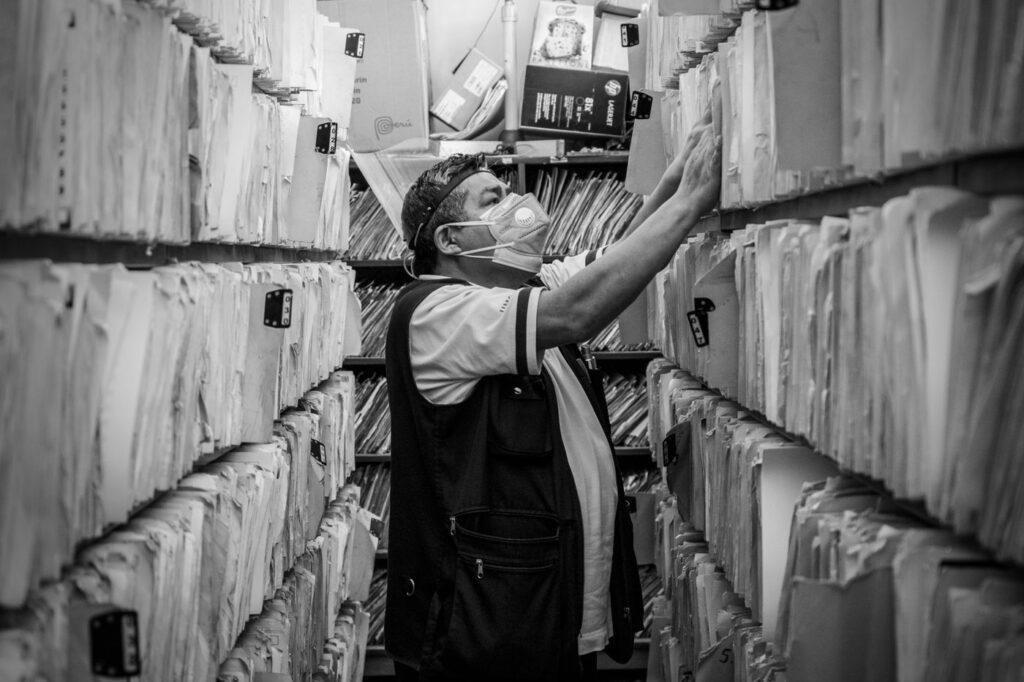
Request the radiographs specifically, in digital form if possible. Practices deal with these requests routinely, a reasonable copying fee may apply, and you do not owe anyone an explanation for wanting them. Federal guidance on getting a copy of your own health record sets out the general right of access that applies here.
What to bring
| Element | Useful | Wasted |
|---|---|---|
| Records | Recent radiographs brought or sent ahead | Starting again from scratch |
| History | When it started, what triggers it, what has been tried | “It has hurt for a while” |
| Framing | What are my options, and what happens if I wait | “Was the last dentist wrong?” |
| Expectation | A reasoned recommendation, possibly the same one | A guaranteed different answer |
| Timing | Before anything irreversible | After the tooth is already out |
Swipe the table sideways to see every column.
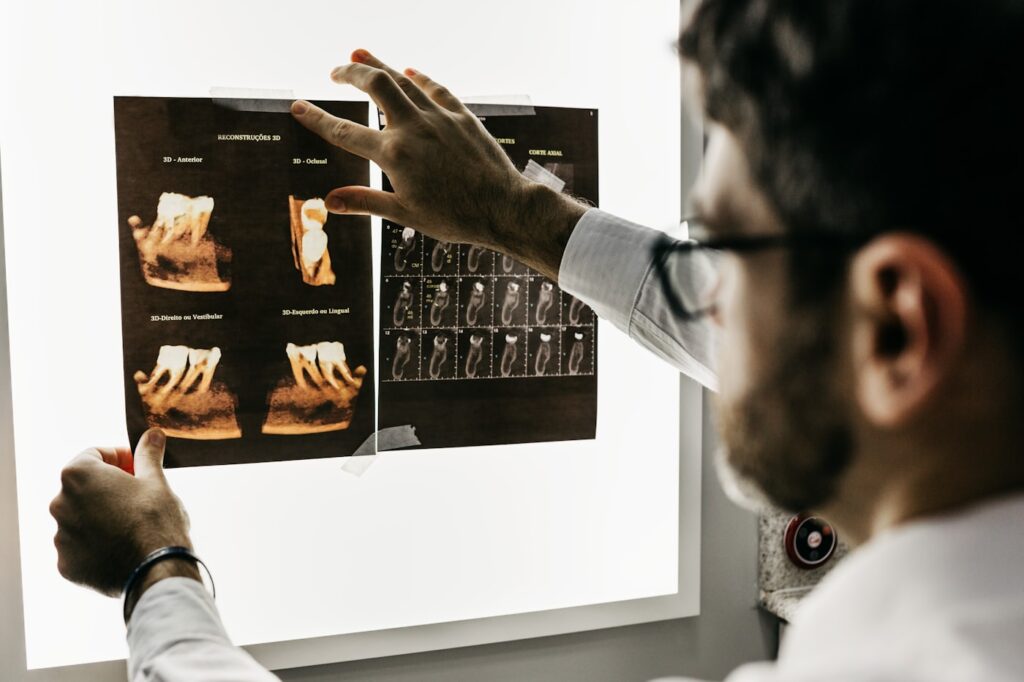
The framing row matters more than it looks. An appointment framed as a fault-finding exercise produces a defensive conversation; one framed around options produces a useful one.
Who to ask
Where you take the question matters as much as asking it. The right choice depends on what the disputed decision actually is.
| The question is about | Best placed to answer |
|---|---|
| Whether a tooth can be root treated at all | An endodontist — this is the whole caseload |
| Whether a failed root canal can be redone | An endodontist, usually with 3D imaging |
| Gum support and whether the tooth is stable | A periodontist |
| Implant planning and bone volume | An oral surgeon or implant dentist |
| An overall treatment plan across many teeth | A second general dentist |
Swipe the table sideways to see every column.
The distinction to hold on to is that whoever provides the alternative treatment is not a neutral party on whether the alternative is needed. That is not a suggestion of bad faith — it is simply that everyone sees a case through what they do most.
Questions worth asking
Four questions get you most of the way, whether this is a first opinion or a second.

- What are my options, including doing nothing for now? There is nearly always more than one path.
- What happens if I wait three months? This separates urgent from elective, and the answer should be specific.
- How likely is this to work, and what does failure look like? A real prognosis comes with a number and a fallback.
- What would you do if this were your tooth? The most useful question in dentistry, and most clinicians will answer it honestly.
If extraction has been proposed, add a fifth: what would it take to save this tooth, and what is the cost of trying? Comparing the alternatives is easier once both figures are on the table.
Timing, and the one situation where it does not apply
A second opinion is worth having before a decision, not after one. Once a tooth is out there is nothing left to assess, and once a crown has been cut the choice has largely been made.
The exception is genuine urgency. If there is facial swelling, fever or spreading infection, that needs treating now — and the treatment for an acute abscess is not the part people disagree about. Get the infection under control, then take your time over the longer-term plan, which will still be there next week.
Between those two extremes, most dental decisions tolerate a fortnight. If you are told a decision cannot wait a week and there is no swelling, no fever and no severe pain, that itself is worth a question.
When the opinions agree
This is the usual result, and it is not a wasted appointment. Two independent assessments reaching the same conclusion is exactly the reassurance you went looking for.

It also tends to change how the treatment feels. Going ahead with a plan you have examined and understood is a different experience from going ahead with one you were handed — which matters more than people expect if anxiety is part of the picture.
When they disagree
Disagreement in dentistry is usually about probability, not about facts. Both clinicians see the same crack; they differ on whether the tooth is worth attempting.

So ask each what they saw and what drove the recommendation, rather than treating it as a vote. Where the difference is about whether a difficult tooth can be treated at all, the opinion that carries more weight is generally the one with the equipment and the caseload to attempt it — which is why referral exists.
Frequently asked questions
Will my dentist be offended?
Almost never. Second opinions are routine in every branch of healthcare, and most dentists would rather you were confident than quietly unconvinced. You do not need to explain your reasons.
Do I have a right to my records?
You have a right to a copy. The physical record belongs to the practice that created it, but professional guidance is clear that patients are entitled to copies, including radiographs. A reasonable copying fee may apply.
Will I need new X-rays?
Not if yours are recent. Bringing digital copies avoids a second dose and a second fee, which is the main practical reason to request them in advance.
What if the two opinions disagree?
Ask each what they saw that led them there. Disagreement is usually about the odds of saving a tooth rather than about the diagnosis, and hearing both reasonings is more useful than counting votes.
Have Questions or Ready to Schedule?
Our team is here to help — call, email, or request an appointment online.