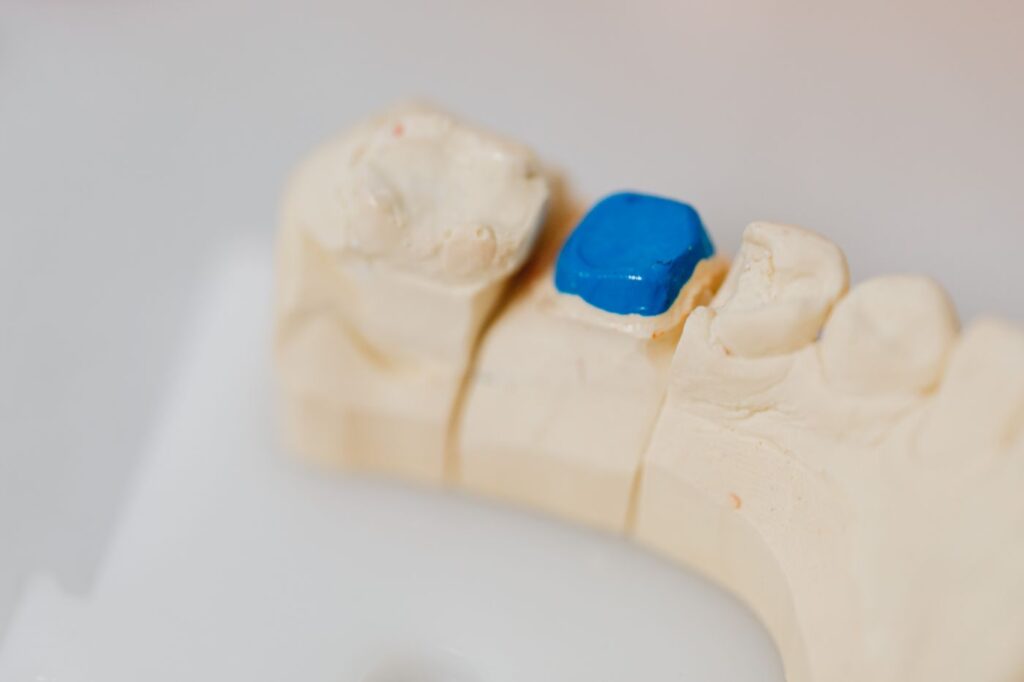
Most of what people dread about a root canal comes from not knowing what happens during one. The reality is closer to a long filling than to surgery.
Here is the whole appointment, step by step, with honest answers on how each part feels and how long it takes.
Key takeaways
- The tooth is fully numb throughout — it feels much like having a filling done.
- Most appointments run 60–120 minutes, driven by how many canals the tooth has.
- The rubber dam is there to keep saliva out, which is what makes the result last.
- You leave with a temporary filling; the permanent restoration comes later.
Before anything starts
Nothing happens on the first visit until we know what is wrong and which tooth is causing it. That sounds obvious, and it is the step most often skipped when treatment is rushed.
We test the tooth and its neighbours, because pulpal pain refers readily between upper and lower teeth on the same side. Imaging then shows the root anatomy and how much infection has reached the bone.
Only after that do we confirm what the tooth needs. Sometimes the answer is that it does not need a root canal at all — see what different sensitivity patterns mean.
Step by step, what actually happens
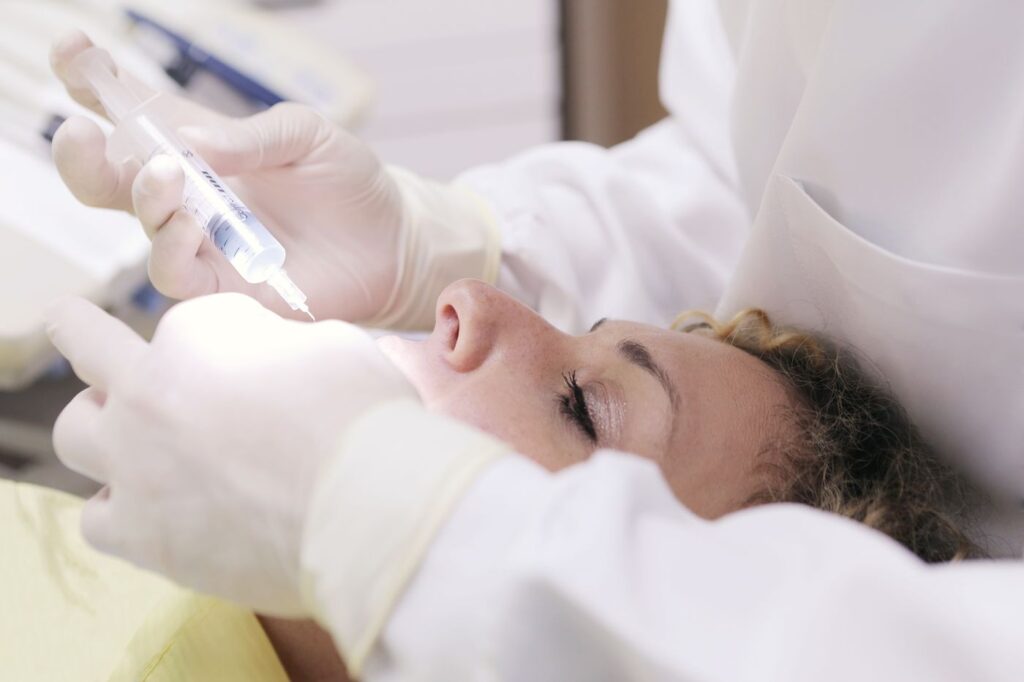
- Numbing (10–15 minutes). Topical gel, then local anaesthetic. We test that the tooth is numb before starting — tell us if it is not.
- The dam goes on. A thin sheet isolates the tooth so it stays dry and clean.
- Access. A small opening is made through the biting surface to reach the pulp chamber.
- Cleaning and shaping. The infected tissue is removed and each canal is cleaned, shaped and disinfected.
- Filling and sealing. The canals are dried and filled with gutta-percha, then sealed so bacteria cannot re-enter.
- Temporary filling. The access opening is closed until your dentist places the permanent restoration.
Why the rubber dam matters more than it looks
Patients often ask about the dam because it looks like the most intrusive part. It is actually the step that most affects whether treatment lasts.

Saliva is full of bacteria. Cleaning a canal thoroughly and then letting saliva into it recontaminates everything, which is one route to treatment failing later. The dam also means nothing can be dropped toward your throat.
The part that takes the time
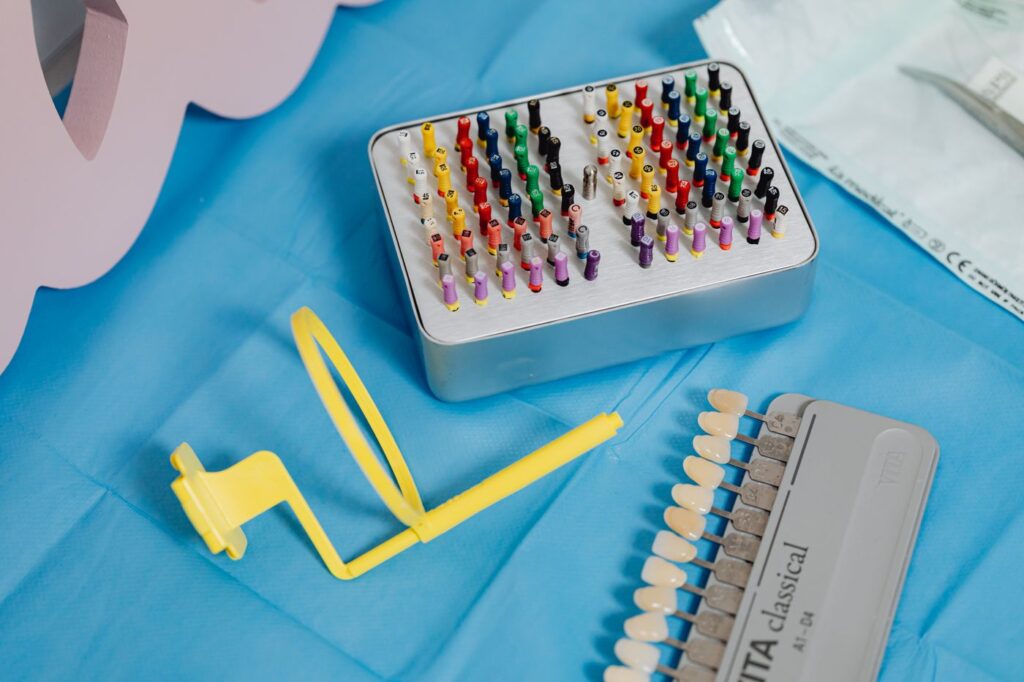
Cleaning is where the appointment is spent. A canal is not a smooth tube — it branches, curves, and narrows, and every part of that system has to be disinfected.
| Tooth | Canals, typically | Typical appointment | Why |
|---|---|---|---|
| Front tooth | 1 | 45–60 minutes | Single straight canal, easy access |
| Premolar | 1–2 | 60–90 minutes | Two canals in many cases |
| Molar | 3–4+ | 90–120 minutes | Multiple curved canals, harder access |
| Any tooth with acute infection | Varies | May need two visits | Medication placed between appointments |
| Retreatment | Varies | Longer than the original | Old filling material must come out first |
Swipe the table sideways to see every column.
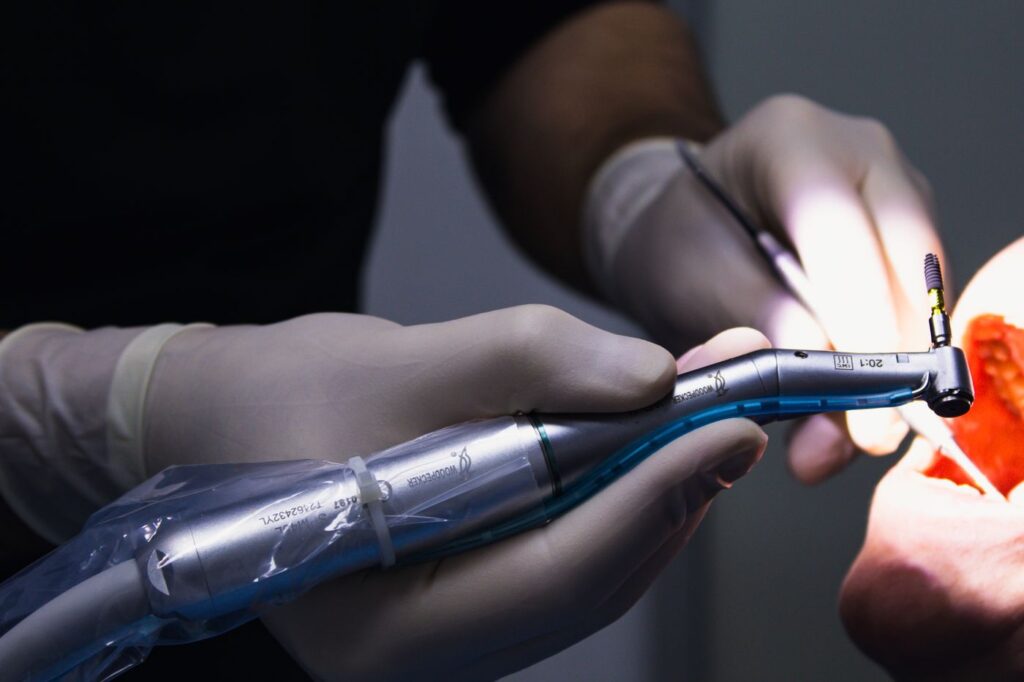
Technology changes this part. Magnification finds canals that would otherwise be missed, and fluid-based cleaning reaches side branches instruments cannot — see how GentleWave compares with conventional treatment and the equipment we use.
What you will notice, and what you will not
| What you notice | Expected? | What to do |
|---|---|---|
| Pressure and vibration | Yes | Normal — the tooth is numb to pain, not to pressure |
| The sound of instruments | Yes | Headphones help; ask before you start |
| Jaw ache from holding open | Yes | Say so — we can pause or use a bite prop |
| A sharp twinge | No | Raise your hand immediately; more anaesthetic is needed |
| Tasting the irrigating solution | No | Tell us — the dam seal may need adjusting |
| Feeling unable to swallow | No | Signal; the dam can be released in seconds |
Swipe the table sideways to see every column.
How it actually feels
Numb. That is the honest answer. You will feel pressure and vibration, and hear the instruments, but the tooth itself should feel nothing.

The exception worth naming: an acutely inflamed pulp is harder to anaesthetise, so a “hot” tooth occasionally needs supplementary technique. Say something the moment you feel anything sharp — that is information we need, not an inconvenience.
If anxiety rather than pain is the concern, the sedation options are worth reading before you book, and our pre-treatment instructions cover the practical preparation.
When a second visit is needed
Most treatment is completed in a single appointment. Two situations change that, and neither means anything has gone wrong.
The first is significant infection. Where there is swelling or persistent drainage, we place an antimicrobial dressing, seal the tooth temporarily, and let things settle for a week or two before filling the canals. Sealing an actively discharging canal simply traps the problem inside.
The second is complexity. A molar with four curved canals, or a case where an unexpected extra canal turns up, is sometimes better finished properly at a second visit than rushed at the end of a long first one. We will tell you before you leave which of these applies to you.
Leaving, and what comes next
You can normally drive yourself home and go straight back to work if you want to. The numbness wears off gradually over two to four hours; avoid chewing on that side until it has completely gone.
The tooth is not finished yet. A temporary filling is designed for weeks, and a back tooth needs a crown to stop it fracturing. What is normal in the first week covers the days ahead, and Delta Dental’s step-by-step walkthrough of the procedure is a useful second read. In some cases the whole pulp does not need removing at all — see when the nerve can be kept alive instead.
Frequently asked questions
Does a root canal hurt?
The procedure itself feels much like having a filling, because the tooth is fully anaesthetised. Nearly all the pain associated with root canals is the pain that brings people in — treatment is what ends it.
How long does a root canal take?
Most appointments run 60 to 120 minutes. A front tooth with one canal is at the short end; a lower molar with four curved canals is at the long end. Cases with significant infection sometimes need a second visit.
Will I be awake?
Yes. You are numb, not asleep. If the appointment itself is what worries you, sedation options are available and worth asking about in advance rather than on the day.
Why is a rubber sheet put over the tooth?
The dam keeps the tooth dry and free of saliva, which matters because bacteria in saliva would recontaminate the canals. It also stops small instruments or irrigating solutions reaching the back of your throat.
Have Questions or Ready to Schedule?
Our team is here to help — call, email, or request an appointment online.