
Far fewer people need antibiotics before dental treatment than commonly believe they do. The guidance narrowed considerably about twenty years ago, and a lot of patients are still following advice given before it changed.
Here is who still needs premedication, who no longer does, and why taking it unnecessarily is not a harmless precaution.
Key takeaways
- Only a small, defined group at highest risk of infective endocarditis still needs cover.
- Prosthetic joints generally do not require premedication any more.
- Routine fillings, cleanings and most root canal treatment need nothing for most patients.
- The decision belongs to your physician or surgeon, not to us and not to a search result.
What premedication is actually for
Dental procedures can release oral bacteria into the bloodstream briefly. In almost everyone that is harmless and resolves within minutes.
In a small number of people, those bacteria can settle on abnormal heart tissue and cause infective endocarditis — rare, but serious. A single antibiotic dose an hour beforehand is intended to reduce that risk in exactly those patients, and no one else.
Who still needs it
| Condition | Premedication? | Note |
|---|---|---|
| Prosthetic heart valve, or prosthetic repair material | Yes | Highest-risk category |
| Previous infective endocarditis | Yes | Recurrence risk |
| Certain congenital heart conditions | Yes | Unrepaired cyanotic disease and specific repairs |
| Cardiac transplant with valve problems | Yes | Transplant recipients who develop valvulopathy |
| Hip or knee replacement | Generally no | Not recommended routinely since 2015 |
| Heart murmur, stents, bypass, pacemaker | No | Not in the current categories |
| Mitral valve prolapse | No | Removed from guidance in 2007 |
Swipe the table sideways to see every column.
Two entries there account for most of the confusion. Mitral valve prolapse and straightforward heart murmurs were dropped in 2007, and prosthetic joints in 2015 — but a lot of patients were told once and never told again.
What to do if you are uncertain
The safest position when your history is unclear is neither to take antibiotics by default nor to skip them by default, but to establish the answer once and record it.
Ask the physician who manages the underlying condition — the cardiologist, or the surgeon who placed the joint — to confirm in writing whether cover is required. That letter then travels with you to every dental appointment, and nobody has to guess again.
Why the guidance narrowed
It was not a cost-saving exercise. The evidence simply did not support the breadth of the old recommendations.
Bacteria enter the bloodstream during ordinary chewing and toothbrushing too, far more often across a year than during occasional dental visits. Against that background, single-dose cover before a dental appointment prevents very few cases — while allergic reactions, gastrointestinal effects and antibiotic resistance are real and cumulative. The current position is that good oral health and regular dental care protect these patients more than prophylaxis does.
Joint replacements specifically
This is the most common source of disagreement, and the honest position is that guidance and individual practice do not always match.
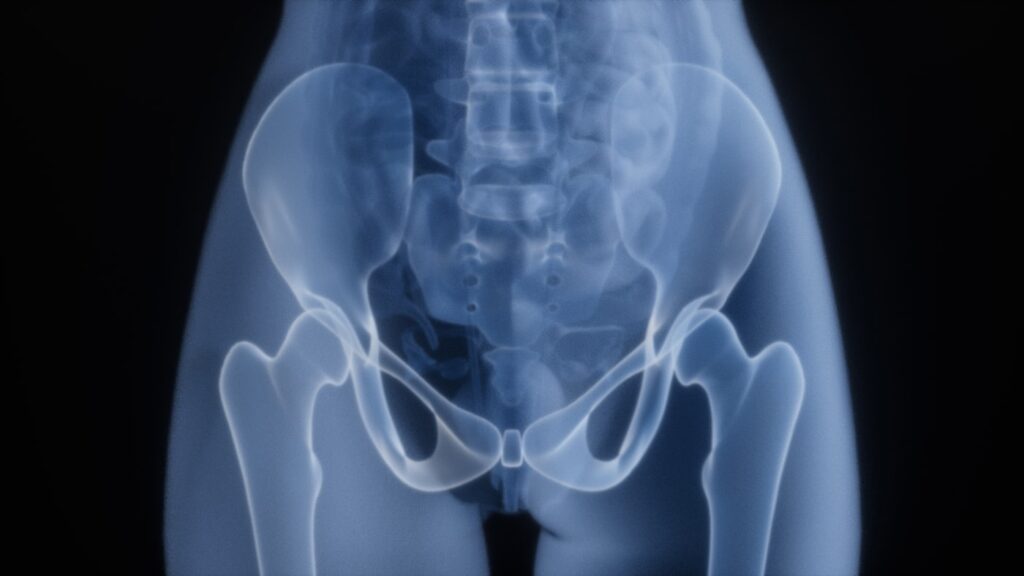
The ADA guideline is clear that antibiotics are not generally recommended before dental procedures for patients with prosthetic joints. Some orthopaedic surgeons still advise cover for particular patients — recent surgery, immunosuppression, previous joint infection — and where your surgeon has done so, we follow it. What we will not do is start it on our own initiative.
What we need from you
- Tell us at booking, not on the day. Premedication is taken about an hour beforehand — discovering the need on arrival means rescheduling.
- Bring the instruction if you have one. A letter or note from your cardiologist or surgeon settles it immediately.
- Bring a current medication list, including anything over the counter.
- Tell us about allergies, particularly to penicillin — alternatives exist and are used routinely.
- If you are unsure, say so. We would rather check with your physician than guess in either direction.

Which procedures it applies to
Even for patients who do need cover, it is not required for everything. The distinction is whether the procedure involves manipulating gum tissue or the region around the root tip.
| Procedure | Cover needed? |
|---|---|
| Root canal treatment involving the root tip | Yes |
| Extraction | Yes |
| Scaling and periodontal treatment | Yes |
| Apicoectomy and other endodontic surgery | Yes |
| Routine fillings above the gumline | No |
| Radiographs, impressions, fitting a crown | No |
| Local anaesthetic in uninfected tissue | No |
Swipe the table sideways to see every column.
If you are unsure whether your appointment falls on the left or right of that line, ask when you book and we will tell you.
If you are allergic to penicillin
Amoxicillin is the usual first choice, but a documented penicillin allergy is not a barrier — several established alternatives exist and are used routinely.
It is worth knowing that most people labelled penicillin-allergic turn out not to be when formally tested, often because a childhood rash was attributed to the drug. That is a conversation for your physician rather than something to resolve in a dental chair, but it is worth having, because the alternatives are generally less effective.
What about an active infection?
This is a different question and often confused with the one above. Premedication prevents a theoretical problem in a healthy mouth; antibiotics for an active infection treat one that already exists.

Where there is swelling or spreading infection we prescribe antibiotics as part of treatment, regardless of your cardiac or joint history. But as our abscess guide explains, antibiotics never resolve a dental infection on their own — the source has to be removed.

If you have been premedicating for years and nobody has revisited it, it is worth asking at your next medical appointment. What to expect at your first visit covers the medical history we take, Medication history changes endodontic planning in several other ways too, as root canals later in life sets out. and the ADA’s summary of antibiotic prophylaxis before dental procedures sets out the current position and its sources.
Frequently asked questions
I had premedication years ago. Do I still need it?
Quite possibly not. The guidance narrowed substantially in 2007 and again for joint replacements in 2015, so a great many people who once took antibiotics before dental visits no longer need to. Do not stop on the strength of a web page — ask the physician who advised it.
Do I need antibiotics because of my knee or hip replacement?
In general, no. The ADA guideline states prophylactic antibiotics are not recommended before dental procedures for patients with prosthetic joints. Some surgeons still advise it for individual patients, and that decision is theirs.
Which heart conditions still require it?
A small group at highest risk of an adverse outcome: prosthetic heart valves or prosthetic material used in valve repair, previous infective endocarditis, certain congenital heart conditions, and cardiac transplant recipients with valve problems.
Who decides — you or my doctor?
Your physician or surgeon. We follow their instruction and record it. If nobody has advised premedication and you are not in a listed category, none is needed.
Have Questions or Ready to Schedule?
Our team is here to help — call, email, or request an appointment online.