10-E Farmfield Avenue, Charleston, SC 29407

235-213-0595

Author: Dr. O’Neal

  • Do You Need a Crown After a Root Canal?

    Do You Need a Crown After a Root Canal?

    The root canal is done, the pain has gone, and now someone is asking you to spend as much again on a crown. It is a fair moment to ask whether it is really necessary.

    For a back tooth, the evidence on this is unusually clear-cut. Here is what the numbers show, and the cases where a crown genuinely is not needed.

    Key takeaways

    • Crowned treated teeth survive at roughly 94% at five years, against 77% without.
    • At ten years the gap widens: about 89% with a crown, 62% without.
    • In one large study, 85% of extracted treated teeth had never received cuspal coverage.
    • Front teeth are the genuine exception — many do not need full coverage.
    • Timing matters: aim for the definitive restoration within about 60 days.

    Why a treated tooth needs protecting

    Two separate things weaken the tooth, and they compound. The decay, fracture or failing restoration that created the problem in the first place has already removed structure, and the access opening needed to reach the canals removes a little more from the biting surface.

    What is lost is not just bulk but bracing. An intact molar resists chewing forces because its walls are connected across the top; once that roof is opened, those walls flex independently every time you bite.

    What the survival data shows

    Survival of root-canal-treated teeth, with and without a crown
    TimeframeWith cuspal coverageWithoutDifference
    5 years~94%~77%17 points
    10 years~89%~62%27 points
    8-year large-cohort survival97% overall85% of extractions had no coverageCoverage dominates the failure data

    Swipe the table sideways to see every column.

    Without cuspal coverage a treated molar splits under normal chewing load
    An uncrowned molar tends to fail by splitting — and a split root cannot be treated.

    The failure mode is what makes this decisive. Uncrowned treated molars typically fail by vertical fracture, and a vertical root fracture is not retreatable — see which cracks can be saved. The tooth is lost, not merely re-treated.

    When a crown is not needed

    This is where blanket advice goes wrong. Front teeth take shearing rather than crushing forces, have a single canal and a much smaller access opening.
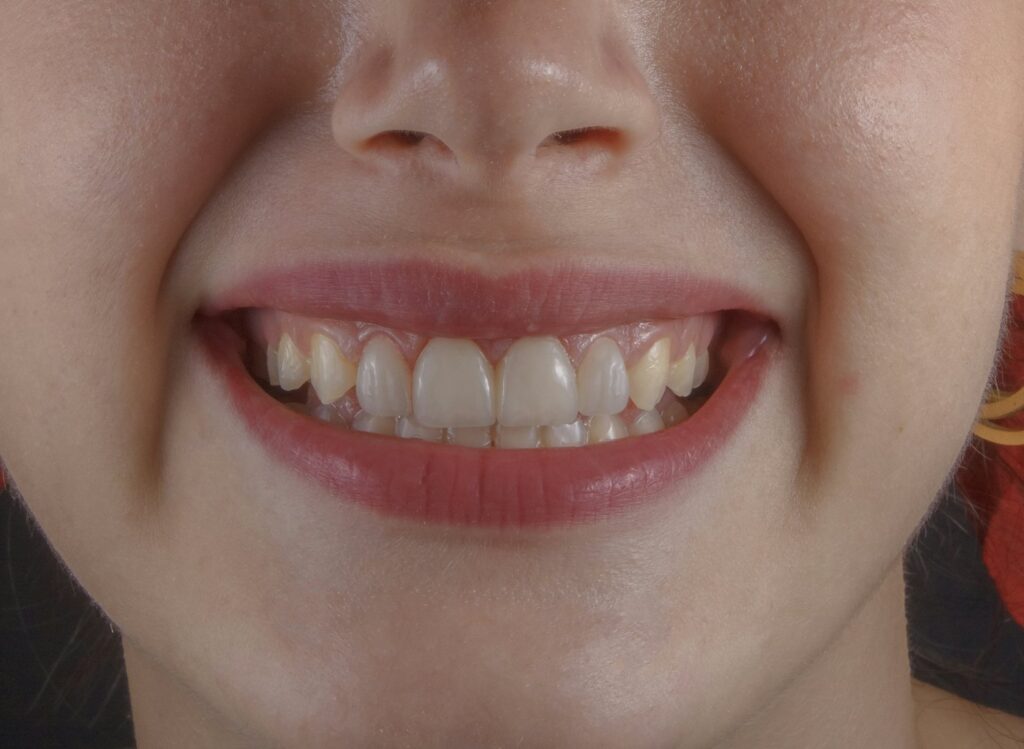
    A front tooth with little damage often does not need full coverage
    An incisor with an intact structure and a small access cavity is a different case entirely.
    Which restoration each tooth usually needs
    ToothUsual restorationCrown needed?
    Incisor, intact walls, small accessBonded composite restorationOften not
    Incisor with large existing restoration or discolourationCrown or veneerUsually
    PremolarCuspal coverage restorationUsually
    MolarFull-coverage crown or onlayAlmost always
    Any tooth with a cracked cuspFull coverageYes

    Swipe the table sideways to see every column.

    Timing, and why it matters

    A temporary filling is exactly that. It seals well for a few weeks and then begins to leak, and leakage lets saliva and bacteria back into canals that were just disinfected.

    Outcomes are better when the crown follows within about 60 days
    Outcomes improve when the definitive restoration follows within about two months.

    That is one of the routes to treatment failing and needing retreatment — not because the root canal was poor, but because the seal above it was lost. Book the restorative appointment before you leave, not once the tooth starts bothering you again.

    Crown, onlay, or filling?

    A crown is not the only way to get cuspal coverage. An onlay covers the cusps while preserving more natural tooth, which is often the better choice where the walls are still sound.
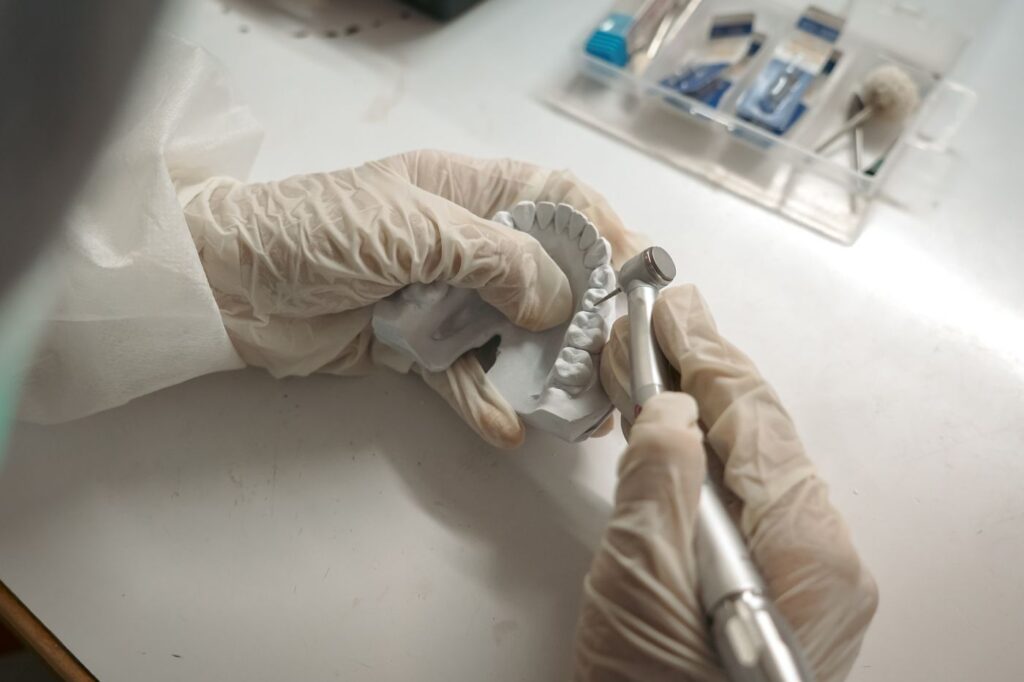
    A filling restores the hole; a crown redistributes the load
    A filling restores the shape; cuspal coverage changes how force travels through the tooth.

    The distinction that matters is not crown versus onlay but covered versus not covered. A large direct filling in a treated molar leaves the walls unbraced, which is precisely the situation the survival data warns about.

    What actually happens if you delay

    Two separate failures compete for the tooth, and they run on different clocks.

    The slower one is leakage. A temporary filling wears and begins to admit saliva within weeks, recontaminating the canal system underneath. This is silent — you will not feel it happening, and it surfaces months later as a tooth that needs retreating.

    The faster one is fracture. Every bite flexes unbraced walls, and it takes one awkward bite on something hard to split a cusp. If that split runs below the gumline the tooth is lost outright, which is what the survival figures above are really describing.

    Do you need a post as well?

    Posts are widely misunderstood as strengthening a tooth. They do not — a post exists to retain a core build-up where too little coronal structure remains to hold one on its own.

    Molars usually manage without, because the pulp chamber itself retains the core. Where a post is genuinely needed it should be as conservative as possible, since preparing the canal to receive one removes dentine and raises the risk of root fracture.

    Who does it, and what it costs

    We complete the root canal and place a temporary filling; your own general dentist then places the definitive restoration. That split in responsibility surprises a lot of patients, and it is worth knowing about before you set a budget.
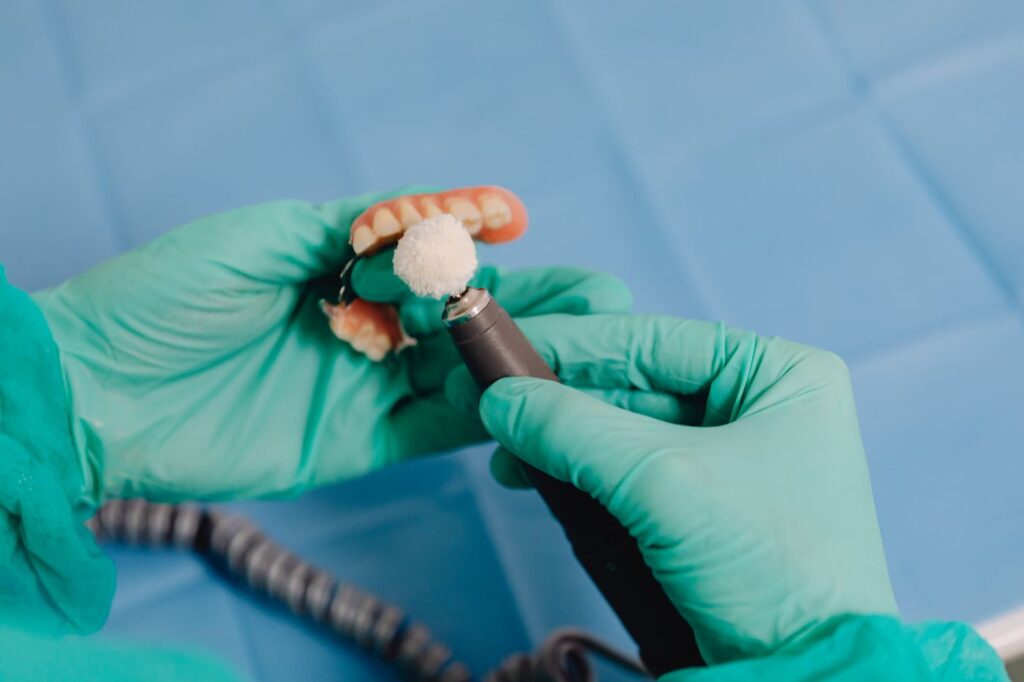
    The crown is usually made by your general dentist, not by us
    The crown is usually made by your general dentist’s laboratory, not by us.

    Expect $800–$2,000 for the crown on top of the treatment fee — the full cost breakdown covers how insurance annual maximums affect the total, and why splitting the two across plan years can help.

    If the total is genuinely out of reach, say so before treatment rather than after. A root canal on a molar that never receives cuspal coverage is, on the survival data, an expensive route to the same extraction you were trying to avoid.

    Crowned treated teeth survive at roughly 94% at five years, against 77% without
    Treated and properly restored, the tooth is simply a tooth again.

    That is not an argument for extracting teeth cheaply. It is an argument for having the whole cost on the table at the start, so the decision you make is the one you would still make a year later. Restoration quality also predicts survival as strongly as the root filling does — see what affects the outcome.

    Restored properly, a treated tooth needs nothing special — brush, floss and keep your check-ups. What is normal in the first week covers the period before the crown goes on. The published eight-year survival analysis of treated teeth by restoration type is the source for the figures above.

    Frequently asked questions

    Do all root-canal-treated teeth need a crown?

    No. Back teeth almost always do, because they take heavy chewing load and have lost internal structure. A front tooth with a small access opening and otherwise intact enamel is often fine with a bonded filling.

    How long can I leave it before getting the crown?

    Weeks, not months. Outcomes are better when the definitive restoration follows within about 60 days. A temporary filling is not designed to seal long term, and leakage lets bacteria back into canals that were just cleaned.

    Will I need a post as well?

    Often not. Molars usually retain a core restoration in the pulp chamber without one. Posts are mainly for teeth with very little coronal structure left, and they carry their own risk of root fracture.

    What if I cannot afford the crown right now?

    Say so before treatment starts. If the budget genuinely covers only one thing, that changes the conversation about whether the tooth is the right investment — a root canal without a crown on a molar frequently ends in extraction anyway.

    Have Questions or Ready to Schedule?

    Our team is here to help — call, email, or request an appointment online.
    About this guide. Written for patients of Southeast Endodontics, PC, Charleston, SC. Survival figures are from published studies of large cohorts; your dentist decides the right restoration for your particular tooth.

  • When to Refer to an Endodontist: A Guide for Dentists

    When to Refer to an Endodontist: A Guide for Dentists

    Most general dentists can treat a straightforward single-canal tooth well. The harder judgement is recognising, before you open the tooth, which cases will not go to plan.

    This is a practical summary of the referral triggers we see most often, written for colleagues rather than patients.

    Key takeaways

    • The AAE difficulty form scores cases as minimal, moderate or high — high-difficulty cases warrant referral.
    • Referring before access is far more useful than referring after a ledge or perforation.
    • Curvature, calcification, previous treatment and unclear diagnosis are the commonest triggers.
    • A good referral note shortens the appointment and improves what we can send back.

    The framework

    Endodontic difficulty is not a single axis. A tooth can be anatomically straightforward and still be a hard case because the patient cannot open far enough, or because the diagnosis is uncertain. Assessing those factors separately is what stops an apparently routine molar becoming a ninety-minute problem you had not planned for.

    The AAE difficulty form turns a judgement call into a checklist
    The AAE form makes difficulty explicit and gives you something defensible in the notes.

    The AAE Endodontic Case Difficulty Assessment Form groups risk factors across patient considerations, diagnosis and treatment complexity. Its guidance is direct: general dentists are competent in minimal-difficulty cases, experienced clinicians may take moderate ones, and high-difficulty cases should be considered for referral.

    Its real value is being a checklist rather than a feeling. Scoring the case before you begin also documents, contemporaneously, why a referral was the appropriate decision for that patient.

    The triggers we see most

    Common referral triggers by category
    CategoryRefer whenWhy it raises difficulty
    AnatomySevere or S-shaped curvature, calcified canals, extra canals suspectedInstrument separation and ledging risk climbs sharply
    DiagnosisReferred pain, unclear source, suspected crack, non-odontogenic painTreating the wrong tooth is the costliest error available
    Previous treatmentRetreatment, posts, separated instruments, perforation repairRequires removal before treatment can even begin
    TraumaAvulsion, luxation, immature apex, root fractureTime-critical protocols and specific follow-up
    Patient factorsSevere anxiety, limited opening, significant medical history, gag reflexAccess and appointment tolerance, not canal anatomy
    AnaesthesiaRepeated failure to achieve profound anaesthesiaHot pulps often need supplementary technique

    Swipe the table sideways to see every column.

    Curvature, calcification and extra canals are the usual referral triggers
    Curvature and calcification account for most of the cases that become difficult mid-treatment.

    Refer before access, not after

    This is the single most helpful thing a referring dentist can do. A ledged canal, a blocked canal or a perforation all convert a moderate case into a high-difficulty one.

    If you are relieving acute pain, a pulpotomy and a sound temporary seal are genuinely helpful and leave the case no harder. What creates difficulty is partial instrumentation, not intervention as such.

    Retreatment cases

    Retreatment carries lower success than initial treatment — roughly 78% against 86% — and the technical demands are higher: filling material removal, post removal, negotiating past a ledge.

    Previous treatment, posts and separated instruments all raise difficulty
    Previous treatment is the category most often underestimated.

    Where re-entry is not realistic, surgical options often are; microsurgical apicoectomy reports success of 90% or better. Our patient-facing guide to retreatment, surgery and extraction is useful to hand to patients weighing it, and our retreatment page covers the clinical detail.

    Cases worth keeping

    Referral is not the automatic answer to everything, and over-referring carries a genuine cost of its own — delay and expense for the patient, and eroded case experience for you.

    Minimal-difficulty cases are exactly what general practice should be treating: a single canal, no curvature visible, a clear diagnosis, an accessible tooth and a cooperative patient. Anterior teeth and many premolars sit here routinely.

    The useful line to draw is predictability rather than bare possibility, and it is worth being honest with yourself about where that line sits in your own hands. If you can see the whole canal on the pre-operative radiograph, expect to negotiate it to length, and have restored comparable teeth before, that case belongs in your chair.

    Urgent and trauma referrals

    Two categories should bypass the normal process. Avulsion and luxation injuries are time-critical — telephone rather than referring by letter, and follow the immediate protocol in our avulsed tooth guide in the meantime.

    Spreading facial swelling is the other. Manage the airway risk first and refer for definitive treatment once the patient is stable; our abscess guide covers what happens at that appointment.

    What to include in the referral

    1. Tooth number and your working diagnosis, including pulpal and periapical status if you have them.
    2. Current radiographs — a periapical taken today saves a repeat exposure.
    3. The reason for referral, in a line. “Calcified MB canal, unable to negotiate” tells us more than “for RCT”.
    4. Medical history and medications, particularly anticoagulants and bisphosphonates.
    5. Your restorative plan and whether you are placing the definitive restoration.
    6. Urgency, if the patient is in acute pain or swollen.
    What you send with the referral shapes how fast we can treat
    A short, specific note is worth more than a full chart.

    Our referral form covers these fields, and the referring doctors page has our contact details for urgent cases.

    Referral quality, in practice

    What makes a referral easy or difficult to act on
    ElementHelpful versionDifficult version
    ReasonCalcified MB2, unable to negotiate to lengthFor RCT
    RadiographsPeriapical taken this week, sent with the referralNone, or a bitewing from 2021
    DiagnosisSymptomatic irreversible pulpitis, symptomatic apical periodontitisToothache
    AccessUntouched, or a clean pulpotomy with a sound sealPartially instrumented, ledged, or leaking temporary
    Restorative planCrown booked for two weeks post-treatmentNot addressed
    UrgencyFlagged as swollen, seen todayDiscovered when the patient calls in pain

    Swipe the table sideways to see every column.

    What comes back to you

    You receive a written treatment report and post-treatment radiographs, together with our restorative recommendation and any findings that affect your planning. On posterior teeth that recommendation is nearly always cuspal coverage, and promptly — survival at five years is roughly 94% with a crown against 77% without.

    The tooth goes back to you for the restoration — that part matters most
    The tooth returns to you for the restoration, which is the part that determines survival.

    We also flag anything found during treatment that changes the prognosis: a crack, a perforation, or a root that was already fractured. That belongs in your notes before you commit to a laboratory-made restoration.

    Southeast Endodontics accepts referrals from across the Lowcountry
    Southeast Endodontics accepts referrals from practices across the Lowcountry.

    Dr. Long and Dr. O’Neal both limit their practice entirely to endodontics. The AAE’s case assessment tools include the difficulty form referenced above.

    Frequently asked questions

    Is there a formal tool for deciding?

    Yes — the AAE Endodontic Case Difficulty Assessment Form. It scores patient, diagnostic and treatment factors into minimal, moderate and high difficulty, and it turns an instinctive judgement into something you can record in the notes.

    Should I attempt access before referring?

    Only if you intend to complete the case or are relieving acute pain. A partially prepared access cavity, a ledged canal or a perforation all raise difficulty for whoever treats it next. If you are unsure, refer before opening.

    What should I send with the referral?

    Your diagnosis and the tooth number, current radiographs, the reason for referral, relevant medical history, and any restorative plan you already have. What you want back matters too — tell us if you are placing the crown.

    Do patients need a referral to be seen?

    No. We accept patient self-referrals as well as dentist referrals. Either way we send a treatment report and radiographs back to you so the restorative phase can proceed.

    Have Questions or Ready to Schedule?

    Our team is here to help — call, email, or request an appointment online.

    About this guide. Written for referring colleagues by Southeast Endodontics, PC, Charleston, SC. It summarises AAE guidance and our own referral patterns; it does not replace your clinical judgement on any individual case.

  • Are Root Canals Safe? What the Evidence Actually Says

    Are Root Canals Safe? What the Evidence Actually Says

    Search “are root canals safe” and you will find pages claiming they cause cancer, heart disease and chronic fatigue. Those claims share a single origin, and it is worth knowing what it is.

    This is where the idea came from, why it did not survive scrutiny, and what the evidence actually supports — including the risks that are real.

    Key takeaways

    • The “root canals cause disease” claim traces to one researcher’s work in the 1920s.
    • Those experiments had no controls and have never been reproduced.
    • No controlled study since has found a link to systemic disease.
    • Extracting a restorable tooth is not the safer option — it carries its own risks.

    Where the claim comes from

    In the 1910s and 1920s, “focal infection theory” held that a hidden infection anywhere in the body could cause disease elsewhere in it. The idea was taken seriously at the time and used to justify removing tonsils, and healthy teeth, on a very large scale across Europe and the United States.

    Weston Price's experiments lacked controls and could not be reproduced
    The focal infection theory dates from an era before antibiotics and before modern immunology.

    Weston Price extracted root-canal-treated teeth from chronically ill patients and implanted them under the skin of rabbits. When the rabbits sickened, he concluded the teeth had caused the patients’ illnesses.

    Why that research does not hold up

    Judged by any modern standard, the work fails on basics:

    • No control group. Healthy extracted teeth were not implanted for comparison.
    • No sterile technique. Teeth were contaminated during extraction and handling, so whatever the rabbits reacted to may never have been in the tooth.
    • Enormous relative dose. A whole human tooth under a rabbit’s skin is not comparable to a treated tooth in a human jaw.
    • Correlation read as causation. Chronically ill people in that era had more dental disease for reasons unrelated to root canals.
    • Never reproduced. A century of attempts has not replicated the findings.
    The claim, and what the evidence shows
    ClaimOriginWhat research since has found
    Root canals cause cancerFocal infection theory, 1920sNo association found in controlled studies
    Treated teeth harbour dangerous bacteriaPrice’s rabbit experimentsBacteria exist in many body sites without causing systemic disease
    Extraction is the safer optionFollows from the aboveExtraction has its own surgical risks and consequences
    Dentists suppress thisDocumentary claims, 2019The theory was abandoned because it failed testing, publicly

    Swipe the table sideways to see every column.

    What the modern evidence says

    Focal infection theory was not suppressed — it was investigated and abandoned as better methods emerged. Antibiotics, controlled trials and modern immunology all arrived after Price’s work and none supported it.

    Decades of controlled research have found no link to systemic disease
    The theory was not buried. It was tested, repeatedly, and did not hold.

    The professional consensus is unambiguous: there is no valid evidence linking endodontically treated teeth to systemic disease. Our page on root canal safety and the common myths cover the same ground from the clinical side.

    The risks that are real

    Being straight about this matters more than reassurance. Genuine risks exist, and they are ordinary clinical ones:

    • Treatment can fail. Around 86% of initial treatments succeed, so roughly one in seven needs something further — see retreatment and surgery.
    • The tooth can fracture if it is not properly restored, which is why a crown matters on back teeth.
    • Post-operative discomfort for a few days is normal and expected.
    • Rarely, an instrument separates in a canal, or an existing crack is discovered mid-treatment that changes the prognosis.

    How to weigh a health claim you find online

    This topic is a useful test case, because the same pattern recurs across health misinformation generally.

    • Check the date of the underlying research, not the date of the article quoting it. A 2019 documentary citing 1920s experiments is still 1920s evidence.
    • Ask whether it was reproduced. A single striking result nobody has replicated in a century is a red flag, not a suppressed truth.
    • Look for the control group. Without one, a study cannot separate the effect being claimed from everything else going on.
    • Notice what is being sold. Claims that root canals are toxic frequently arrive alongside an offer to extract teeth and replace them.

    None of that requires a clinical background. It is the same reasoning you would apply to any other claim about your health.

    What about the X-rays?

    Endodontic diagnosis needs imaging, and people reasonably ask about the dose. It is small — a fraction of the background radiation you absorb from the environment in a normal year.

    A full endodontic series delivers a small fraction of your annual background dose
    Digital sensors cut the dose substantially against the film they replaced.

    The alternative is worse. Treating a molar without seeing its root anatomy is how canals get missed, and a missed canal is a far more likely source of harm than the exposure.

    Treating versus extracting, on risk

    Risks of root canal treatment compared with extraction
    ConsiderationRoot canal treatmentExtraction
    Procedure typeNon-surgical in almost all casesSurgical, with bleeding and healing
    Bone preservedYes — the root maintains itNo — resorption begins immediately
    Adjacent teeth affectedNoDrift and over-eruption over years
    Further treatment likelyCrown; occasionally retreatmentImplant or bridge to fill the gap
    If it failsRetreatment or surgery availableNothing to retreat — the tooth is gone

    Swipe the table sideways to see every column.

    The comparison that actually matters

    “Is a root canal safe?” is the wrong question on its own. The real question is whether it is safer than the alternative for your tooth, and for a restorable tooth the answer is consistently yes.

    Extracting a healthy-rooted tooth carries more risk than treating it
    Nothing replaces a natural tooth root, its ligament and the bone it maintains.

    Extraction is surgery. It leaves a gap that drives bone loss and tooth movement unless replaced, and replacement means an implant or bridge with their own risks — compared here on ten-year cost and outcome.

    Isolation and sterile technique are what make the procedure predictable
    Isolation, sterile instruments and magnification are what make outcomes predictable.

    If something you have read worries you, raise it at your consultation — see what a first visit involves. The American Association of Endodontists publishes its position on focal infection theory with the underlying references.

    Bring the claims you have read — they are worth talking through properly
    Bring what you have read. It is a reasonable conversation to want to have.

    Frequently asked questions

    Do root canals cause cancer or chronic disease?

    No. That claim comes from research done in the 1920s using methods that would not pass review today, and it has not been reproduced since. Decades of controlled studies have found no link between endodontically treated teeth and systemic disease.

    Where did the “root canals are toxic” idea come from?

    From Weston Price, who implanted extracted teeth under the skin of rabbits and concluded that the teeth caused the illnesses that followed. The experiments had no controls, no sterile technique, and predate modern microbiology by decades.

    Is it safer to just extract the tooth?

    No. Extraction is a surgical procedure with its own risks, and it leaves a gap that has to be managed. Nothing about removing a restorable tooth is inherently safer than treating it.

    How much radiation is involved?

    Very little. The imaging used for endodontic diagnosis delivers a small fraction of the background radiation you receive from the environment each year, and we use it because treating without seeing the anatomy is the greater risk.

    Have Questions or Ready to Schedule?

    Our team is here to help — call, email, or request an appointment online.
    About this guide. Written for patients of Southeast Endodontics, PC, Charleston, SC. It summarises the published position of the endodontic specialty; it is not a substitute for discussing your own health circumstances with your clinicians.

  • What Actually Happens During a Root Canal

    What Actually Happens During a Root Canal

    Most of what people dread about a root canal comes from not knowing what happens during one. The reality is closer to a long filling than to surgery.

    Here is the whole appointment, step by step, with honest answers on how each part feels and how long it takes.

    Key takeaways

    • The tooth is fully numb throughout — it feels much like having a filling done.
    • Most appointments run 60–120 minutes, driven by how many canals the tooth has.
    • The rubber dam is there to keep saliva out, which is what makes the result last.
    • You leave with a temporary filling; the permanent restoration comes later.

    Before anything starts

    Nothing happens on the first visit until we know what is wrong and which tooth is causing it. That sounds obvious, and it is the step most often skipped when treatment is rushed.

    We test the tooth and its neighbours, because pulpal pain refers readily between upper and lower teeth on the same side. Imaging then shows the root anatomy and how much infection has reached the bone.

    Only after that do we confirm what the tooth needs. Sometimes the answer is that it does not need a root canal at all — see what different sensitivity patterns mean.

    Step by step, what actually happens

    1. Numbing (10–15 minutes). Topical gel, then local anaesthetic. We test that the tooth is numb before starting — tell us if it is not.
    2. The dam goes on. A thin sheet isolates the tooth so it stays dry and clean.
    3. Access. A small opening is made through the biting surface to reach the pulp chamber.
    4. Cleaning and shaping. The infected tissue is removed and each canal is cleaned, shaped and disinfected.
    5. Filling and sealing. The canals are dried and filled with gutta-percha, then sealed so bacteria cannot re-enter.
    6. Temporary filling. The access opening is closed until your dentist places the permanent restoration.
    Getting the tooth properly numb is the step everything else depends on
    Topical gel first, then the injection. Getting the tooth properly numb is the step everything depends on.

    Why the rubber dam matters more than it looks

    Patients often ask about the dam because it looks like the most intrusive part. It is actually the step that most affects whether treatment lasts.

    The dam keeps the tooth dry and stops anything reaching the back of your throat
    Isolation is not a formality — saliva reaching a cleaned canal undoes the work.

    Saliva is full of bacteria. Cleaning a canal thoroughly and then letting saliva into it recontaminates everything, which is one route to treatment failing later. The dam also means nothing can be dropped toward your throat.

    The part that takes the time

    Cleaning is where the appointment is spent. A canal is not a smooth tube — it branches, curves, and narrows, and every part of that system has to be disinfected.

    Each canal is cleaned, shaped and disinfected in turn
    Each canal is treated in turn, which is why the number of canals drives the appointment length.
    What drives how long your appointment takes
    ToothCanals, typicallyTypical appointmentWhy
    Front tooth145–60 minutesSingle straight canal, easy access
    Premolar1–260–90 minutesTwo canals in many cases
    Molar3–4+90–120 minutesMultiple curved canals, harder access
    Any tooth with acute infectionVariesMay need two visitsMedication placed between appointments
    RetreatmentVariesLonger than the originalOld filling material must come out first

    Swipe the table sideways to see every column.

    The cleaned canals are sealed with gutta-percha so bacteria cannot return
    Once the canals are clean and dry, they are filled and sealed in the same visit.

    Technology changes this part. Magnification finds canals that would otherwise be missed, and fluid-based cleaning reaches side branches instruments cannot — see how GentleWave compares with conventional treatment and the equipment we use.

    What you will notice, and what you will not

    Sensations during treatment: what is expected and what to report
    What you noticeExpected?What to do
    Pressure and vibrationYesNormal — the tooth is numb to pain, not to pressure
    The sound of instrumentsYesHeadphones help; ask before you start
    Jaw ache from holding openYesSay so — we can pause or use a bite prop
    A sharp twingeNoRaise your hand immediately; more anaesthetic is needed
    Tasting the irrigating solutionNoTell us — the dam seal may need adjusting
    Feeling unable to swallowNoSignal; the dam can be released in seconds

    Swipe the table sideways to see every column.

    How it actually feels

    Numb. That is the honest answer. You will feel pressure and vibration, and hear the instruments, but the tooth itself should feel nothing.

    Most appointments run 60–120 minutes depending on the tooth
    Plan for around two hours at the practice for a molar, including checks and paperwork.

    The exception worth naming: an acutely inflamed pulp is harder to anaesthetise, so a “hot” tooth occasionally needs supplementary technique. Say something the moment you feel anything sharp — that is information we need, not an inconvenience.

    If anxiety rather than pain is the concern, the sedation options are worth reading before you book, and our pre-treatment instructions cover the practical preparation.

    When a second visit is needed

    Most treatment is completed in a single appointment. Two situations change that, and neither means anything has gone wrong.

    The first is significant infection. Where there is swelling or persistent drainage, we place an antimicrobial dressing, seal the tooth temporarily, and let things settle for a week or two before filling the canals. Sealing an actively discharging canal simply traps the problem inside.

    The second is complexity. A molar with four curved canals, or a case where an unexpected extra canal turns up, is sometimes better finished properly at a second visit than rushed at the end of a long first one. We will tell you before you leave which of these applies to you.

    Leaving, and what comes next

    You can normally drive yourself home and go straight back to work if you want to. The numbness wears off gradually over two to four hours; avoid chewing on that side until it has completely gone.

    A temporary filling protects the tooth until the permanent restoration
    You leave with a temporary filling — the permanent restoration is a separate appointment.

    The tooth is not finished yet. A temporary filling is designed for weeks, and a back tooth needs a crown to stop it fracturing. What is normal in the first week covers the days ahead, and Delta Dental’s step-by-step walkthrough of the procedure is a useful second read. In some cases the whole pulp does not need removing at all — see when the nerve can be kept alive instead.

    Frequently asked questions

    Does a root canal hurt?

    The procedure itself feels much like having a filling, because the tooth is fully anaesthetised. Nearly all the pain associated with root canals is the pain that brings people in — treatment is what ends it.

    How long does a root canal take?

    Most appointments run 60 to 120 minutes. A front tooth with one canal is at the short end; a lower molar with four curved canals is at the long end. Cases with significant infection sometimes need a second visit.

    Will I be awake?

    Yes. You are numb, not asleep. If the appointment itself is what worries you, sedation options are available and worth asking about in advance rather than on the day.

    Why is a rubber sheet put over the tooth?

    The dam keeps the tooth dry and free of saliva, which matters because bacteria in saliva would recontaminate the canals. It also stops small instruments or irrigating solutions reaching the back of your throat.

    Have Questions or Ready to Schedule?

    Our team is here to help — call, email, or request an appointment online.

    About this guide. Written for patients of Southeast Endodontics, PC, Charleston, SC. Appointment times are typical rather than promised — anatomy varies more than most people expect.

  • Dental Abscess: Why Antibiotics Alone Will Not Fix It

    Dental Abscess: Why Antibiotics Alone Will Not Fix It

    A course of antibiotics, a few days of relief, and then it comes back. That cycle is the most common story we hear about dental abscesses, and it is not bad luck — it is what happens when the source is never removed.

    Seek emergency care now if swelling is spreading toward your eye or down your neck, you have difficulty breathing or swallowing, you cannot open your mouth, or you have a fever with facial swelling.

    Dental infections can spread into the tissue spaces of the face and neck. That is a hospital problem, not a wait-until-Monday problem.

    Key takeaways

    • An abscess is a walled-off pocket of pus. Antibiotics struggle to penetrate it.
    • Antibiotics alone reliably produce temporary relief and reliable recurrence.
    • Resolution needs the source removed — root canal treatment or extraction — and drainage.
    • Pain stopping usually means the pressure found a way out, not that the infection cleared.

    What an abscess actually is

    When bacteria reach the pulp inside a tooth and it dies, the infection works out through the tip of the root into the surrounding bone. Your immune system walls the area off, and pus collects inside that boundary.

    That wall is the problem. It contains the infection, which is useful, but it also blocks antibiotics from reaching the bacteria inside — and the low pH within an abscess reduces how well several antibiotics work even when they do get there.

    How bacteria got in

    An abscess is always secondary to something. Deep decay is the commonest route, giving bacteria a path through enamel and dentine into the pulp chamber.

    A crack does the same job faster, letting bacteria into the pulp long before the tooth looks damaged — our guide to the five crack types covers how far each one travels. Trauma is a third route: a knock that severs the blood supply can kill a pulp silently, with the abscess appearing months or even years later.

    Which of these caused it matters, because it changes the prognosis. Decay and a quietly dead pulp are straightforward to treat. A crack extending below the gumline may mean the tooth cannot be saved however well the infection clears.

    Why antibiotics alone do not fix it

    The infection lives inside a root canal system that no longer has a blood supply. Antibiotics travel in blood, so they simply cannot get to the bacteria at the source.

    Antibiotics buy time and reduce swelling; they do not remove the source
    Antibiotics manage the spread. They do not reach the dead tissue inside the canal.

    What they can do is reduce the surrounding infection and stop it spreading, which is genuinely valuable when there is swelling. That is why we prescribe them alongside treatment rather than instead of it.

    What each approach actually achieves
    ApproachReduces swellingRemoves the sourceOutcome
    Antibiotics aloneYesNoRelief for days to weeks, then recurrence
    Drainage aloneYesNoFaster relief, still recurs
    Root canal treatmentYesYesResolves; tooth kept
    ExtractionYesYesResolves; tooth lost
    Waiting it outNoNoSpreads; risks becoming an emergency

    Swipe the table sideways to see every column.

    The signs, and how urgent each one is

    A gum boil that appears, drains and disappears is the version people ignore longest, because it barely hurts. It is still an active infection.

    A recurring gum boil is drainage finding its own way out
    A recurring pimple on the gum is the infection draining itself — painless, and not a sign of healing.
    Abscess symptoms ranked by urgency
    What you haveHow urgentWhy
    Spreading swelling, trouble swallowing or breathingEmergency room nowInfection is tracking into the neck or face
    Facial swelling with feverSame dayNeeds drainage and antibiotics immediately
    Severe throbbing, tooth tender to touchSame dayPressure is building with nowhere to go
    Gum boil that drains and returnsWithin daysChronic infection; painless but progressive
    Bad taste, tooth feels raisedWithin daysEarly signs of pressure at the root tip
    Dark tooth, no symptomsRoutine assessmentPulp may have died silently years ago

    Swipe the table sideways to see every column.

    Swelling that spreads, or fever, changes this from urgent to emergency
    Fever alongside facial swelling means the infection has outgrown the local area.

    If you are already at that stage, our guide to endodontic emergencies covers what to do in the hours before you are seen.

    How it is actually treated

    Treatment does two things: releases the pressure, and removes what is feeding the infection. Opening the tooth and cleaning the canal system usually achieves both in one appointment.

    Drainage plus removing the source is what actually resolves it
    Drainage relieves the pressure; removing the source is what stops it returning.

    Where there is significant swelling we may drain it and start antibiotics first, then complete root canal treatment once things settle. If the tooth cannot be restored, extraction and its alternatives is the honest conversation to have instead.

    Why it stopped hurting on its own

    This is the single most misleading thing an abscess does. Pressure builds until it finds a route out — through the gum, or occasionally into the sinus — and the moment it drains, the pain drops away.

    Nothing has been cured. The tooth is still dead, the canal is still full of bacteria, and the drainage channel simply keeps the pressure below the threshold where you notice it. People routinely live with this for years, which is how a treatable tooth becomes an unrestorable one.

    The same logic applies to a course of antibiotics that seemed to work. Feeling better is not evidence that the source has gone; it is evidence that the swelling around it has settled.

    What healing looks like afterwards

    Pain usually improves within a day or two of the pressure being released. Bone is slower — the shadow visible on a radiograph fills in over six to twelve months, which is why we sometimes review with a follow-up film rather than relying on symptoms.

    The dark area at the root tip is bone the infection has destroyed
    The dark shadow at the root tip is bone the infection destroyed. It rebuilds slowly.

    Our recovery guide covers the first week in detail, including the signs that mean you should call rather than wait.

    Treated properly, the bone rebuilds over the following months
    Treated at the source, an abscessed tooth usually stays in service for decades.

    If a previously treated tooth abscesses, that is a different problem with its own options — see retreatment, surgery or extraction. The NIH’s clinical review of dental abscess sets out the underlying microbiology.

    Frequently asked questions

    Can a tooth abscess go away on its own?

    No. The pressure sometimes finds a route out through the gum, which relieves the pain and makes it feel resolved — but the infection inside the tooth is unchanged and will build again.

    Why did the antibiotics stop working?

    They did not fail so much as run out. Antibiotics reduce the surrounding infection but cannot reach inside a canal that has lost its blood supply, or penetrate a walled-off pocket of pus. Once the course ends, the source is still there.

    How urgent is a dental abscess?

    Same-day if there is facial swelling or fever. Immediate emergency care if swelling spreads toward your eye or throat, or you have difficulty breathing or swallowing. A small gum boil without swelling still needs treating, but within days rather than hours.

    Does treating an abscess mean losing the tooth?

    Usually not. Root canal treatment removes the source and lets the bone heal — extraction is the fallback when the tooth is fractured or cannot be restored, not the default.

    Have Questions or Ready to Schedule?

    Our team is here to help — call, email, or request an appointment online.

    About this guide. Written for patients of Southeast Endodontics, PC, Charleston, SC. General information, not a diagnosis — if you have facial swelling or fever, seek care today rather than reading further.

  • Dental Anxiety and Root Canals: Your Sedation Options

    Dental Anxiety and Root Canals: Your Sedation Options

    Plenty of people put off a root canal for months because of how the appointment makes them feel, not because of the tooth. That delay usually makes the treatment bigger, not smaller.

    Dental anxiety is common, well understood, and manageable. Here is what each sedation option actually does, what it costs you in recovery time, and how to work out which one fits.

    Key takeaways

    • Sedation manages anxiety; local anaesthetic manages pain. You need both — one does not replace the other.
    • Nitrous oxide is the only option after which you can drive yourself home.
    • Oral and IV sedation both need someone to drive you and take the rest of the day off.
    • Telling us what specifically frightens you changes how we plan the visit, often more than the drugs do.

    Why the appointment feels worse than it is

    Most dental fear traces back to a specific thing: the injection, the sound, the loss of control, gagging, or a bad experience years ago. Each has a different practical answer.

    Dental anxiety is common and treatable — it is not something to push through
    Anxiety is not something to push through quietly — it changes what we can offer you.

    Root canals also carry a reputation built before modern anaesthesia and magnification. In practice the treatment relieves pain rather than causing it — the myths worth ignoring covers where that reputation came from.

    Your options compared

    Sedation options for endodontic treatment, compared
    OptionHow it is givenHow it feelsRecoveryCan you drive?
    None + local anaestheticInjection at the siteFully alert, tooth numbNoneYes
    Nitrous oxideGas through a small nasal hoodWarm, floating, calm; fully awareClears in about 5 minutesYes
    Oral sedationA tablet about an hour beforeDrowsy and detached; often little memoryRest of the dayNo
    IV sedationInto a vein, adjusted during treatmentDeeply relaxed; usually little memoryRest of the dayNo

    Swipe the table sideways to see every column.

    Nitrous oxide: the everyday option

    A small hood sits over your nose and you breathe normally. Effect begins within a couple of minutes: warm, slightly floaty, and noticeably less bothered by what is happening.

    The nitrous oxide hood is fitted at the chair and takes effect within minutes
    The nitrous hood is fitted at the chair and takes effect within minutes.

    Its real advantage is how fast it leaves. Five minutes of oxygen afterwards and you are clear to drive, work, and carry on with your day — which makes it practical for an appointment you did not plan. Our page on nitrous oxide covers who it suits.

    Oral sedation: for moderate anxiety

    A single dose of an anti-anxiety tablet, usually a benzodiazepine, taken about an hour before you arrive. It goes deeper than nitrous oxide and many patients remember little of the appointment.

    Oral sedation is taken an hour before and needs someone to drive you
    Taken an hour beforehand, which means arranging your day around it.

    The trade-off is logistics: someone must drive you both ways, and you should not drive, drink alcohol or make significant decisions for 24 hours. See our sedation options for what we offer.

    What sedation does not do

    It does not replace local anaesthetic. The tooth still needs numbing, and you will still have the injection — you simply mind it much less.

    The aim is a patient who is comfortable, not unconscious
    The goal is a comfortable patient who can still respond, not an unconscious one.

    It also will not fix an inadequately numb tooth. An acutely inflamed pulp is genuinely harder to anaesthetise, which is why we use techniques suited to hot teeth rather than adding more sedation. If you are in that situation now, the emergency guide is the more useful read.

    What helps as much as the drugs

    • Tell us what the fear is. “I am fine until the injection” is far more useful than “I am nervous”.
    • Agree a stop signal — raising a hand pauses everything. Control is often the missing piece.
    • Book a morning appointment so you are not anticipating it all day.
    • Bring headphones. The sound bothers more people than the sensation.
    • Ask for a consultation first, with no treatment. Seeing the room and meeting the team removes a surprising amount of dread — see what a first visit involves.
    Telling us what specifically frightens you changes how we plan the visit
    Naming the specific fear is what lets us plan around it.
    Common fears, and what actually helps each one
    What frightens youWhat we changeSedation needed?
    The injectionTopical gel first, slow delivery, nitrous started beforehandOften nitrous alone
    The sound of instrumentsHeadphones and your own music; GentleWave uses less filingUsually none
    Loss of controlAn agreed hand signal that stops everything immediatelyUsually none
    GaggingUpright positioning, smaller instruments, paced breathingSometimes nitrous
    A previous bad experienceConsultation first with no treatment; slower pacingDepends on the visit
    Everything about itFull plan agreed in advance, longer appointment bookedOral or IV sedation

    Swipe the table sideways to see every column.

    Simple breathing and signalling techniques help more than people expect
    Paced breathing before and during the appointment measurably lowers the physical response.

    What we need to know first

    Which options are open to you depends on your medical history, not just your preference. Bring a current list of medications, including anything over the counter or herbal.

    Sleep apnoea, significant heart or lung conditions, pregnancy, and some antidepressants and sedatives all affect what is safe. Benzodiazepines in particular interact with a long list of medicines, which is why the tablet is prescribed after that review rather than before it.

    If you are having oral or IV sedation, arrange the whole day: someone to drive you both ways, no food for several hours beforehand if we ask, and nothing important scheduled afterwards. Getting the logistics wrong is the usual reason a sedation appointment has to be rebooked.

    Getting past the avoidance

    The hard part about dental anxiety is that avoidance reliably makes the eventual appointment worse, not better: a tooth that needed straightforward treatment becomes an abscess, and the routine visit you were dreading turns into the emergency you were dreading more.

    Most anxious patients say the anticipation was worse than the appointment
    Most anxious patients tell us afterwards that the anticipation was the worst part.

    Booking a consultation with no treatment attached is the simplest way to break that loop. Dr. Long and Dr. O’Neal see anxious patients every week, and you can contact the practice to arrange one. The American Dental Association’s overview of anaesthesia and sedation explains the levels in more detail.

    Frequently asked questions

    Will I be unconscious during the treatment?

    No. Nitrous oxide and oral sedation both leave you conscious and able to respond — the aim is that you stop minding the procedure, not that you are asleep. Only general anaesthesia produces unconsciousness, and it is rarely needed for endodontics.

    Can I drive myself home?

    After nitrous oxide, yes — it clears within about five minutes of the mask coming off. After oral or IV sedation, no. You need a responsible adult to drive you and you should not drive, work or make decisions for the rest of the day.

    Does sedation replace the numbing injection?

    No, and this surprises people. Sedation manages anxiety; local anaesthetic manages pain. You still need the injection — sedation simply means you mind it far less.

    What if I am afraid of the injection specifically?

    Say so. Topical gel applied first, a slow delivery technique, and nitrous oxide started beforehand between them handle most needle phobia. It is one of the most common fears we hear and there are established ways around it.

    Have Questions or Ready to Schedule?

    Our team is here to help — call, email, or request an appointment online.
    About this guide. Written for patients of Southeast Endodontics, PC, Charleston, SC. Which options are appropriate depends on your medical history and medication — that is decided at consultation, not in advance.

  • Knocked-Out Tooth: What to Do in the First 30 Minutes

    Knocked-Out Tooth: What to Do in the First 30 Minutes

    An adult tooth knocked completely out is one of the few genuine dental emergencies where what you do in the next few minutes matters more than what any dentist does later.

    If the tooth is out and you can act now: pick it up by the crown, never the root. Rinse it briefly in milk or water if dirty. Push it gently back into the socket and bite on a cloth to hold it. Then go straight to a dentist.

    If you cannot replant it: put it in a cup of milk — not water — and go immediately. Do not wrap it in tissue.

    Key takeaways

    • Dry time is the clock. Ligament cells begin dying within 15 minutes and are largely gone by 60.
    • Handle the crown only. Scrubbing the root destroys the cells that let it reattach.
    • Replanting it yourself, straight away, gives the best result of anything available.
    • Milk beats saliva; saliva beats water; water beats dry. Never store it dry.
    • Baby teeth are the exception — never replant one.

    What to do, in order

    1. Find the tooth and pick it up by the crown — the white part you chew with. Do not touch the root.
    2. If it is dirty, rinse for a few seconds in milk, saline or cold water. No soap, no scrubbing, no drying.
    3. Put it back in the socket the right way round, and press gently until level with the neighbouring teeth.
    4. Hold it there by biting on a clean cloth or gauze.
    5. If replanting is not possible, store it in milk and take it with you.
    6. Get to a dentist immediately — call on the way rather than before leaving.
    Keep milk and clean gauze to hand — the response matters more than the kit
    What you do in the first few minutes matters more than what is in the kit.

    Why handling matters so much

    The root is covered in periodontal ligament cells — the tissue that anchors a tooth into bone. They are alive, and they are fragile.

    Hold the crown only — the root surface cells are what allow reattachment
    The root surface carries the living cells that allow reattachment. Touching or scrubbing them ends the tooth’s chances.

    Wiping the root dry, scrubbing off debris, or letting it sit on a table kills them. Once they are gone, the tooth may still be replanted but is far more likely to fuse to the bone and be lost over time.

    Storage: what to use if you cannot replant

    Storage options for a knocked-out tooth, best to worst
    MediumHow goodWhy
    Back in the socketBestThe tooth’s own environment; nothing replicates it
    Cold milkExcellentRight osmolality and pH; keeps cells viable for hours
    Saliva (inside the cheek)GoodAdults only, and only if there is no choking risk
    Saline / contact lens solutionGoodBetter than water, worse than milk
    WaterPoorWrong osmolality — cells swell and burst
    Dry, in tissue or a pocketWorstCells die within minutes; strongly reduces survival

    Swipe the table sideways to see every column.

    Milk is the best storage medium if the tooth cannot go straight back
    Ordinary cold milk from the fridge is the single most useful thing to reach for.

    Milk is the practical winner because most homes, schools and sports clubs have it. Water is actively harmful as a storage medium, despite being the instinctive choice.

    Do and do not, in the first few minutes
    DoDo not
    Hold the tooth by the crownTouch or rub the root surface
    Rinse briefly in milk or water if dirtyScrub it, or use soap or disinfectant
    Replant it and bite on gauze to hold itForce it if it will not seat — store it instead
    Store in milk if you cannot replantWrap it in tissue or let it dry out
    Go straight to a dentistWait to see whether it settles overnight
    Take the tooth with you either wayAssume a dirty or broken tooth is beyond saving

    Swipe the table sideways to see every column.

    Where to go, and how fast

    Go to a dentist, not an emergency room, unless there is a head injury, loss of consciousness, or an injury needing medical care — in which case the hospital comes first and the tooth travels with you in milk.

    Go straight to a dentist — call on the way rather than after
    A dental practice can replant; a hospital generally cannot. Go dental first unless there are other injuries.

    Call ahead if you can, but do not delay leaving in order to make the call. Our page on traumatic dental injuries covers displaced and fractured teeth too, and which symptoms count as an emergency explains what else warrants same-day care.

    Children and baby teeth

    This is the important exception. A replanted primary tooth can damage or discolour the permanent tooth forming above it, so the guidance is to leave it out.

    A knocked-out baby tooth should never be replanted
    A knocked-out baby tooth is the one case where you should not put it back.

    Keep your child calm, control any bleeding with gentle pressure on clean gauze, and still see a dentist promptly to check that nothing else has been damaged in the accident. If you genuinely cannot tell whether it is a baby tooth or an adult one, do not guess — bring the tooth in with you and let us make that call.

    What happens afterwards

    A replanted tooth is splinted to its neighbours for a couple of weeks while the ligament reattaches. In an adult with a fully formed root, root canal treatment follows shortly after — the blood supply was severed and the pulp will not recover.

    A replanted tooth needs root canal treatment and monitoring afterwards
    Replanting is the start of treatment, not the end of it.

    Long-term success depends heavily on that first hour, which is why the steps above matter more than anything that happens in the chair. Cleveland Clinic’s overview of avulsed teeth is a solid independent reference. If this happens away from home, what to do about a dental emergency while travelling covers finding care quickly.

    Preventing it in the first place

    Most avulsed teeth we see come from sport. A properly fitted mouthguard — not a boil-and-bite from a supermarket — prevents the large majority of them, and costs a fraction of replacing a front tooth.

    A fitted mouthguard prevents most avulsion injuries we see
    A fitted mouthguard prevents most of the sports avulsions we treat.

    The same guard protects against the partial injuries that are far more common than full avulsion: chipped edges, teeth pushed out of position, and the fracture lines described in our cracked teeth page. Our tips for protecting your natural teeth cover guards, and the anatomy of a tooth explains why the root surface is the part that matters here.

    Frequently asked questions

    How long can a knocked-out tooth survive outside the mouth?

    The ligament cells on the root start dying within about 15 minutes of drying and are largely lost by 60 minutes. Kept moist in milk or saliva, viability extends considerably — but dry time is the clock that matters, not total time.

    Can I clean the tooth before putting it back?

    Rinse briefly with milk, saline or water to remove visible dirt. Never scrub it, use soap, or dry it with a cloth. The cells you are removing are exactly the ones needed for it to reattach.

    What if it is a child’s baby tooth?

    Do not replant it. A replanted baby tooth can damage the permanent tooth developing above it. Keep the child comfortable and see a dentist, but leave the tooth out.

    Will the tooth need a root canal afterwards?

    In an adult with a fully formed root, almost always — the blood supply is severed when the tooth comes out, so the pulp will not survive. Treatment usually starts within a couple of weeks of replanting.

    Have Questions or Ready to Schedule?

    Our team is here to help — call, email, or request an appointment online.
    About this guide. Written for patients of Southeast Endodontics, PC, Charleston, SC, and based on International Association of Dental Traumatology guidance. If a tooth is out right now, act first and read later.

  • Failed Root Canal: Retreatment, Surgery or Extraction?

    Failed Root Canal: Retreatment, Surgery or Extraction?

    A root canal is supposed to end the problem. When the tooth starts aching again — six months later, or six years — it feels like the treatment was wasted.

    Usually it was not. Most previously treated teeth can still be saved, and there is a clear order to the options. Here is why treatment fails, what each second attempt actually achieves, and when stopping is the right call.

    Key takeaways

    • Initial treatment succeeds around 86% of the time, so failures happen without anyone doing anything wrong.
    • The usual cause is anatomy that was never reached — a missed canal or an incomplete seal.
    • Non-surgical retreatment comes first, then surgery, then extraction. In that order.
    • Microsurgical apicoectomy reports success rates of 90% or better, well above older figures.

    Why root canals fail

    Failure almost always comes down to bacteria surviving somewhere in the canal system, or getting back in afterwards.

    Returning pain, a gum bump, or swelling are the usual signs
    Returning pain months or years later is the most common way failure announces itself.
    • A missed canal. Molars often have an extra canal that is genuinely hard to find without magnification.
    • Complex anatomy — curves, branches and fins that instruments cannot reach.
    • An incomplete seal at the root tip, letting bacteria persist. This is the single most cited cause.
    • Delayed restoration. A temporary filling left too long leaks, and bacteria re-enter a cleaned canal.
    • New decay or a fracture creating a fresh route in, years after successful treatment.

    The signs to take seriously

    A treated tooth should be comfortable. Any of these warrants an assessment rather than watchful waiting:

    • Pain returning after a period of comfort, particularly on biting.
    • A pimple or bump on the gum near the tooth, which may drain and taste unpleasant.
    • Swelling or tenderness over the root.
    • The tooth darkening compared with its neighbours.
    • An area of shadow at the root tip that your dentist notices on a routine radiograph, even with no symptoms.

    That last one matters — a failing tooth is often silent. Symptoms overlap with a crack in the tooth, which is why testing rather than guesswork decides it.

    What each sign usually points to
    What you noticeMost likely causeWhat it changes
    Pain on biting that returns after months of comfortMissed canal, or a crack developingNeeds testing before assuming retreatment
    A bump on the gum that drainsPersistent infection at the root tipRetreatment or apicoectomy
    Swelling over the root, no painChronic low-grade infectionUsually still savable
    Shadow at the root tip on a routine X-rayIncomplete healing, often symptomlessAssessment now, before it flares
    Tooth feels looseBone loss or a root fracturePrognosis is poorer; may mean extraction

    Swipe the table sideways to see every column.

    Your three options, compared

    Retreatment vs. apicoectomy vs. extraction: what each involves
    OptionWhat happensReported successBest when
    Non-surgical retreatmentTooth reopened, old filling removed, canals recleaned and resealed~78% overall; 71–77% at 1–5 yearsThe canals can be re-accessed — the usual first choice
    Apicoectomy (root-end surgery)Root tip and infected tissue removed through the gum, root end sealed90%+ when done microsurgicallyA post or crown blocks re-entry, or retreatment has failed
    Extraction + implantTooth removed, implant placed after healing~90% implant survival at ~7 yearsThe tooth is fractured or unrestorable
    Extraction aloneTooth removed, gap leftn/aRarely ideal — see the alternatives guide

    Swipe the table sideways to see every column.

    Weighing retreatment, surgery and extraction with your endodontist
    The right answer depends on why it failed, not just that it failed.

    Retreatment: the usual first step

    Retreatment means undoing the first attempt before redoing it. The crown or filling is opened, the previous root filling material removed, and the canal system explored properly under a microscope.

    Retreatment means reopening the tooth and cleaning what was missed
    Magnification is what makes finding a missed canal realistic rather than lucky.

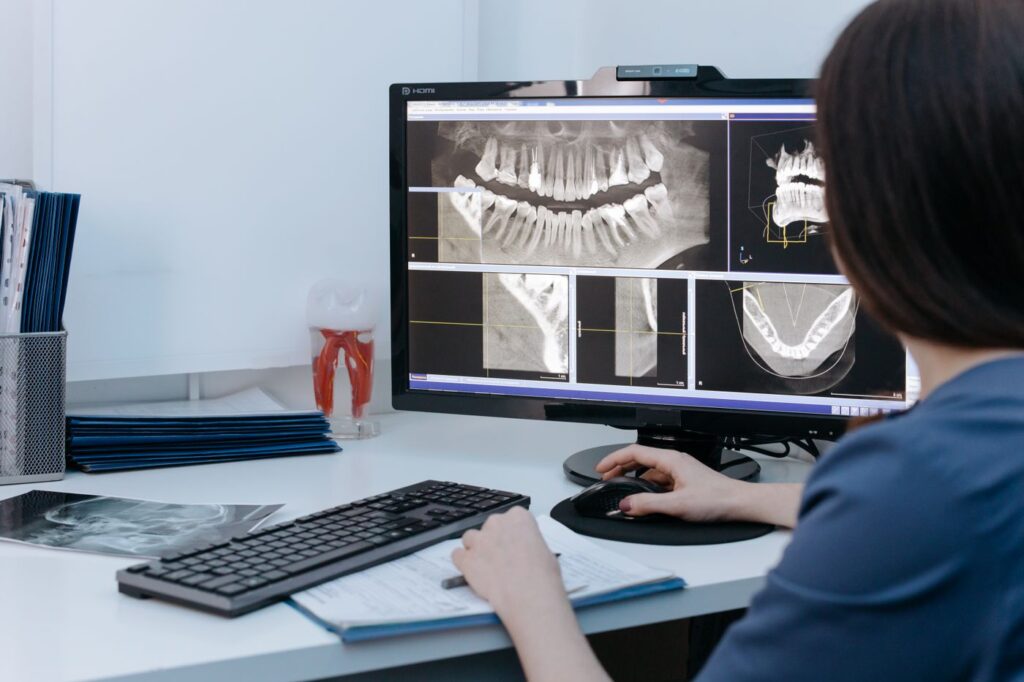
    Modern imaging changes the odds here. Cone-beam CT shows canals a standard radiograph flattens into invisibility, which is often exactly where the problem was hiding.

    3D imaging often reveals the canal that was missed first time
    3D imaging frequently finds the canal a two-dimensional film could never show.

    Our page on endodontic retreatment covers the procedure, and the technology we use explains the imaging.

    When surgery is the better route

    Sometimes reopening the tooth is the wrong move — a well-fitting post and crown may not survive removal, or the canal may be blocked by a separated instrument.

    An apicoectomy seals the root tip from outside when retreatment cannot reach it
    An apicoectomy works from outside the tooth, sealing the root tip directly.

    An apicoectomy approaches from the side instead: the root tip and surrounding infected tissue are removed through the gum, and the end of the root is sealed. Done under a microscope, reported success is 90% or better. See how apicoectomy works and endodontic surgery generally.

    How long before you know it worked

    Retreatment is not judged on how the tooth feels next week. Symptoms usually settle within days, but the bone around the root tip rebuilds slowly.

    We normally review at six months and again at a year, comparing radiographs to see whether the shadow is shrinking. A tooth that is comfortable but shows no bone healing at twelve months is the one that may still need surgery.

    That timescale is worth knowing before you start, because it changes how you read the first few weeks. Discomfort easing is a good sign; it is not yet proof, and neither is a single follow-up film.

    When to stop trying

    Being honest about limits matters as much as knowing the options. We will recommend extraction when the tooth has a vertical root fracture, when too little structure remains to restore it, when severe bone loss has already loosened it, or when both retreatment and surgery have been tried.

    A second opinion is worth having before agreeing to extraction
    Get the assessment before the irreversible decision, not after.

    The order matters because it runs from least to most irreversible. Once the tooth is out it cannot be put back, so a specialist opinion belongs before that decision. The alternatives compared on ten-year cost covers what follows extraction.

    Most previously treated teeth can still be saved
    Most previously treated teeth can still be kept.

    If you have been told a treated tooth is hopeless, that is worth a second look. Our guide to getting a second opinion on a tooth covers how to get your records and what to ask. Dr. Long and Dr. O’Neal assess these cases routinely — see what a consultation involves. The published 13-year analysis of outcomes after non-surgical treatment fails is the underlying evidence for the ordering above.

    Frequently asked questions

    How common is it for a root canal to fail?

    Uncommon, but not rare. Published figures put initial treatment success around 86%, so roughly one tooth in seven eventually needs something further — sometimes years later.

    Can a failed root canal be fixed without surgery?

    Usually yes. Non-surgical retreatment is the first option: the tooth is reopened, the old filling material removed, missed anatomy cleaned, and the canals resealed. Surgery is generally reserved for cases where that is not possible or has already been tried.

    Does retreatment hurt more than the first time?

    No. It takes longer, because the previous filling has to come out before anything else can happen, but it is done under the same anaesthetic and most patients find it comparable.

    Should I just have an implant instead?

    Not as a first move. Retreatment is less invasive, cheaper, and keeps your own root and ligament. An implant is a reasonable answer once the tooth genuinely cannot be saved — but that decision is irreversible, so it is worth an endodontist’s opinion first.

    Have Questions or Ready to Schedule?

    Our team is here to help — call, email, or request an appointment online.

    About this guide. Written for patients of Southeast Endodontics, PC, Charleston, SC. Success rates are published averages across many studies; your tooth’s prognosis depends on its own anatomy and history.

  • Root Canal Recovery: What Is Normal in the First Week

    Root Canal Recovery: What Is Normal in the First Week

    The treatment is over, the anaesthetic is wearing off, and the tooth is sore. That is expected — but knowing which soreness is healing and which is a problem is genuinely hard from the inside.

    This is what a normal recovery looks like day by day, and the specific signs that mean you should pick up the phone rather than wait another night.

    Key takeaways

    • Soreness peaks in the first 24–48 hours and should ease a little every day after that.
    • Most people are back to normal activity the same day and comfortable within a week.
    • Pain that climbs after day three is the red flag — direction matters more than intensity.
    • The permanent crown is part of recovery, not an optional extra afterwards.

    The first 24 hours

    The numbness wears off gradually over about two to four hours. Until it has fully gone, avoid chewing on that side entirely — a numb lip or cheek is remarkably easy to bite without noticing until later.

    Tenderness peaks in the first 48 hours and should ease daily after that
    Tenderness peaks in the first 48 hours, then eases a little each day.

    Start pain relief before the anaesthetic fully wears off rather than after. Ibuprofen suits this kind of discomfort because it targets inflammation, which is what is actually causing it.

    A realistic recovery timeline

    What to expect day by day after root canal treatment
    WhenWhat is normalWhat is not
    First 4 hoursNumbness; avoid chewing on that sideBitten lip or cheek from chewing while numb
    Day 1–2Soreness peaks; tender to bite; mild jaw ache from holding openFacial swelling, fever, pain that medication will not touch
    Day 3–4Noticeably easier; discomfort mainly on chewingPain increasing rather than easing
    Day 5–7Mostly comfortable; occasional twingeA returning throb, or a bad taste from the tooth
    Week 2–4Mild bite sensitivity may lingerTemporary filling lost, or the tooth feels loose
    After the crownNormal function restoredA high spot that makes the tooth hit first

    Swipe the table sideways to see every column.

    Managing the soreness well

    1. Take anti-inflammatories on schedule for the first 48 hours rather than waiting for pain.
    2. Chew on the other side until the permanent restoration is fitted.
    3. Keep the area clean — brush and floss normally, gently.
    4. Sleep slightly propped up on the first night if the tooth throbs when you lie flat.
    5. Skip alcohol and smoking for a couple of days; both slow soft-tissue healing.
    Anti-inflammatories work better than paracetamol for post-treatment soreness
    Anti-inflammatories suit this better than paracetamol alone, because the pain is inflammatory.
    Aftercare: what helps recovery and what sets it back
    ActionHelps?Why
    Ibuprofen on schedule for 48 hoursYesTargets the inflammation actually causing the soreness
    Chewing on the other sideYesProtects the temporary filling until the crown is fitted
    Brushing and flossing as normalYesKeeps the gum healthy; the tooth is not fragile to a brush
    Delaying the permanent crownNoTemporaries leak within weeks, letting bacteria back in
    Testing it by biting hardNoIrritates an already inflamed ligament and slows settling
    Smoking in the first daysNoReduces blood flow and slows soft-tissue healing

    Swipe the table sideways to see every column.

    Chew on the other side until the permanent restoration is in place
    Softer food for a few days is about protecting a temporary filling, not about the tooth being fragile.

    There is no need for a liquid diet. Soft food for two or three days simply avoids dislodging the temporary filling. Our after-treatment instructions cover the practical details, and the pre-treatment guidance is worth reading before your next appointment.

    When to call us

    Normal recovery gets better. The single most useful thing to watch is direction of travel, not severity.

    Pain that climbs after day three is the signal to call
    Pain that climbs after day three is the signal — not how bad day one felt.
    • Pain increasing after day three rather than settling.
    • Facial swelling, or swelling that spreads — see which symptoms need same-day care.
    • Fever, or feeling generally unwell.
    • The temporary filling comes out, or the tooth develops a bad taste.
    • Your bite feels wrong — the tooth hitting first is easily adjusted and worth fixing quickly.

    Do not skip the crown

    A treated back tooth has lost internal structure and is loaded every time you chew. Without full coverage it commonly fractures — and a fractured root cannot be retreated, only extracted.

    The permanent crown is what stops the tooth fracturing later
    The permanent restoration is what makes the treatment last.

    Book the permanent restoration promptly, and do not let it drift down the list. A temporary filling is designed to last weeks, not months, and leaking around it lets bacteria back into the canal system, which is a common route to treatment failing and needing retreatment.

    Getting back to normal

    Most people return to work or school the same day. There is no sedation hangover from local anaesthetic alone, and the tooth is sore rather than incapacitating.

    Exercise is fine once the numbness has gone, though it is worth skipping heavy lifting on the first day — anything that raises blood pressure sharply can make a freshly treated tooth throb. Contact sport should wait until the permanent crown is fitted.

    If you were prescribed antibiotics because there was swelling, finish the course even after the pain stops. Stopping early is one of the more common reasons an infection returns a few weeks later.

    What “healed” actually means

    Comfort and healing run on different timelines, and this catches people out. You will feel normal within a week or two, but if there was an infection at the root tip, the bone around it rebuilds slowly over six to twelve months. That is why we sometimes want a follow-up radiograph at six months rather than relying on how the tooth feels — a comfortable tooth can still be healing, and occasionally a comfortable tooth is not healing at all. Our guide to what actually governs endodontic healing covers the factors behind that.

    Full comfort usually returns within a week
    Comfort returns in days; the bone around the root tip heals over months.

    Long term, a treated tooth is just a tooth: brush, floss and keep your check-ups. Cleveland Clinic’s overview of root canal treatment covers the procedure and what follows it, and our tips for protecting your natural teeth apply as much to a treated tooth as any other.

    Frequently asked questions

    How long does pain last after a root canal?

    Tenderness usually peaks in the first 24–48 hours and eases a little each day after that. Most people are comfortable within three to seven days, with mild sensitivity on biting sometimes lingering a week or two longer.

    Is it normal for the tooth to feel sore when I bite?

    Yes, for a while. The ligament around the root is bruised by the treatment and by the infection before it. It settles as the inflammation resolves. Sharp pain on biting that appears suddenly weeks later is different and needs checking.

    Which painkiller works best afterwards?

    Ibuprofen, if it is suitable for you, because the discomfort is inflammatory rather than nerve pain. Taken regularly for the first day or two it works better than waiting for pain to build. Follow the packet, and check with your doctor if you take other medication.

    When should I call instead of waiting it out?

    Call if pain is climbing after day three rather than falling, if your face swells, if you develop a fever, or if the temporary filling comes out. Those are not part of normal healing.

    Have Questions or Ready to Schedule?

    Our team is here to help — call, email, or request an appointment online.

    About this guide. Written for patients of Southeast Endodontics, PC, Charleston, SC. General information, not a substitute for advice about your own treatment — if something feels wrong, call rather than wait.

  • How Much Does a Root Canal Cost in Charleston?

    How Much Does a Root Canal Cost in Charleston?

    Almost nobody plans for a root canal, so the first question is usually what it will cost — and most pages answer with a range so wide it is useless.

    Here is what actually drives the number: which tooth it is, how many canals it has, whether you need a crown afterwards, and how your plan’s annual maximum falls.

    Key takeaways

    • Treatment alone typically runs $620–$1,500, rising with the number of canals.
    • The crown is a separate $800–$2,000 and is not optional on a back tooth.
    • Insurance usually pays 50–80% after the deductible, capped by a $1,000–$1,500 annual maximum.
    • Timing treatment across two plan years can materially change what you pay.

    What the treatment itself costs

    Fees track anatomy. A front tooth generally has a single, straight canal; a molar can have four that curve and branch, needing far more time under magnification.

    Molars cost more than front teeth because they have more canals to treat
    Molars cost more because they have more canals to find, clean and seal — not because they matter more.
    Typical US root canal cost by tooth type, before the crown
    ToothCanals, typicallyTreatment costWhy it differs
    Front tooth (incisor)1$620–$1,100Single straight canal, quickest to treat
    Canine1$700–$1,200Longest root, but usually straightforward
    Premolar1–2$720–$1,300Two canals in many cases
    Molar3–4+$890–$1,500Curved, branching canals; longest appointment
    RetreatmentVaries$900–$1,800Old filling material must be removed first

    Swipe the table sideways to see every column.

    The cost people forget: the crown

    A root canal removes tissue from inside the tooth, which leaves it more brittle. On a back tooth that takes heavy chewing load, a full-coverage crown is what stops it splitting.

    The crown is a separate cost and is rarely optional on a molar
    Budget the crown from the start — an uncrowned molar frequently fractures, and a fractured root cannot be saved.

    Expect $800–$2,000 for the crown, usually from your general dentist rather than us. Realistically, plan for $1,500–$4,000 all-in per tooth. Our office policy and fees page sets out how we handle estimates and payment.

    How insurance actually applies

    Most plans file endodontics as a “basic” or “major” service and pay a percentage of an allowed amount — not of our fee. Three numbers decide your share:

    Most plans cover 50-80% of endodontic treatment after the deductible
    The annual maximum is the number that catches people out, not the coinsurance percentage.
    • Deductible — usually $50–$100 per person per year, paid before coverage starts.
    • Coinsurance — the plan pays 50–80%, you pay the rest.
    • Annual maximum — commonly $1,000–$1,500. Once reached, you pay everything else that year.
    What the same molar can cost you, depending on coverage
    SituationTreatment + crownPlan paysYou pay
    No insurance$2,400$0$2,400
    50% coverage, $1,000 max$2,400$1,000$1,400
    80% coverage, $1,500 max$2,400$1,500$900
    80% coverage, split over two plan years$2,400$1,900$500

    Swipe the table sideways to see every column.

    Annual maximums mean timing treatment can change what you pay
    Where a plan renews matters as much as what it covers.

    That last row is the practical tip. If treatment falls near your plan’s renewal date, completing the root canal in one year and the crown in the next can use two annual maximums instead of one. See how dental insurance applies to endodontic treatment and our financial policy.

    Two other levers are worth knowing about. An HSA or FSA lets you pay with pre-tax money, which effectively discounts the whole bill by your marginal rate. And most practices, including ours, offer third-party financing that spreads the cost interest-free over several months for patients who qualify.

    Specialist fees, and why they can cost less

    A specialist’s fee can be higher per visit. What it buys is a practice limited entirely to this procedure, with magnification and 3D imaging as standard — see the technology used in our Charleston practice.

    A specialist may charge more per visit and still cost less overall
    An endodontist does this work all day; a general dentist does it occasionally.

    The economics only matter if treatment holds. A case that needs retreatment because a canal was missed costs more than the original fee difference several times over. Our page on why an endodontist handles complex cases covers when a referral is worth it.

    What is not worth economising on

    Two shortcuts reliably cost more later. Skipping the crown on a molar is the first, and it is the more expensive mistake of the two — you risk losing the tooth you have just paid a four-figure sum to keep, and then face the replacement cost on top.

    Ask for a written estimate before treatment begins
    Ask for the estimate in writing, including whether the crown is included.

    The second is waiting. An infected tooth does not stabilise; it becomes an emergency, and emergency treatment is more expensive and less predictable. If pain is escalating now, read which symptoms need same-day care. If you are weighing extraction instead, the alternatives compared on ten-year cost sets out the maths.

    What the fee should include

    Compare quotes on what is bundled, not just the headline number. Our fee covers the consultation and diagnosis, the imaging needed to plan the case, the treatment itself, and the follow-up review afterwards.

    Some practices price those separately, which makes an initial figure look lower than it turns out to be. Ask specifically whether diagnostic imaging, a second visit if the case needs one, and the review appointment are included.

    It is also worth asking your insurer for a pre-treatment estimate. We can submit the proposed treatment codes before anything starts, and the plan responds with what it will actually pay — which removes most of the uncertainty for a fee of this size.

    Getting an accurate number for your tooth

    Nobody can quote you accurately from a search result, and any page that tries is guessing. The fee depends on which tooth it is, the canal anatomy inside it, whether it has been treated before, and what your particular plan allows.

    At a consultation we image the tooth, confirm what it needs, and give you a written estimate with your benefits checked — see what to expect at your first visit. The ADA’s guide to paying for dental care is a useful primer on plan types and the terms above.

    Frequently asked questions

    Why does a molar root canal cost more than a front tooth?

    Front teeth usually have one canal; molars commonly have three or four, sometimes more, and they curve. More canals means more time, more imaging and more instrumentation, so the fee rises with the anatomy rather than the tooth’s importance.

    Does dental insurance cover root canal treatment?

    Most plans cover 50–80% of the allowed amount once your deductible is met, typically $50–$100 a year. The catch is the annual maximum — usually $1,000–$1,500 — which a root canal plus a crown can exhaust on its own.

    Is it cheaper to see a general dentist than an endodontist?

    Sometimes per visit, not always overall. A specialist treats difficult anatomy daily and is more likely to finish it in one attempt. A re-do costs more than the difference in fee, and a molar with curved canals is where that shows.

    Do I really need the crown as well?

    On a back tooth, yes. A treated molar has lost structure and is loaded heavily every time you chew; without full coverage it commonly fractures, and a fractured root cannot be saved. Skipping the crown risks losing the tooth you just paid to keep.

    Have Questions or Ready to Schedule?

    Our team is here to help — call, email, or request an appointment online.

    About this guide. Written for patients of Southeast Endodontics, PC, Charleston, SC. All figures are US averages for 2026 and vary by region, tooth and plan — they are not a quote for your treatment.