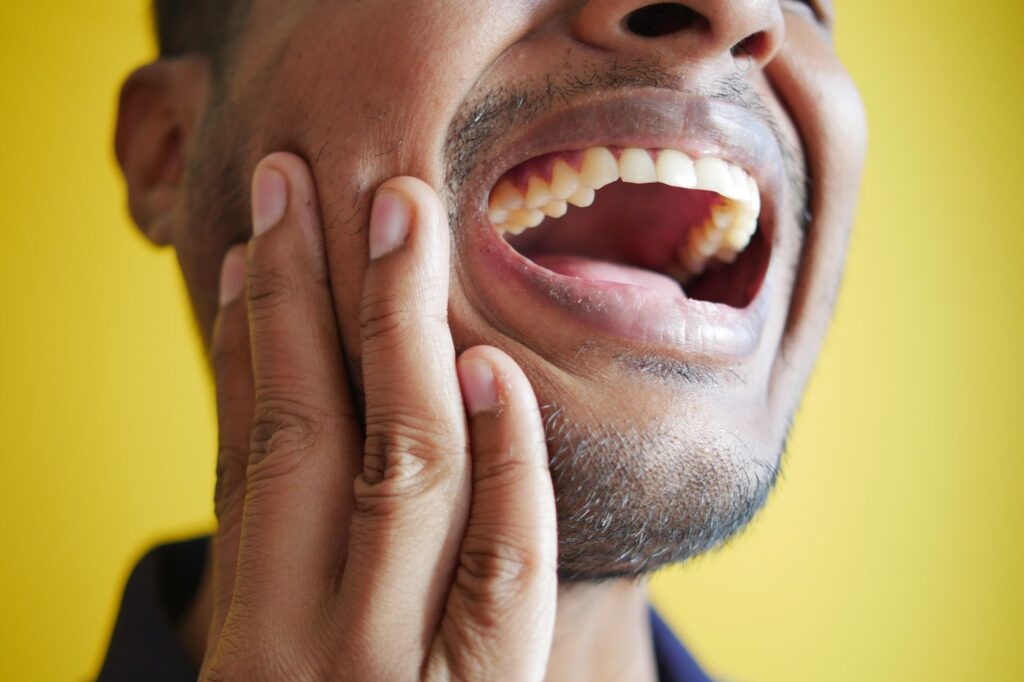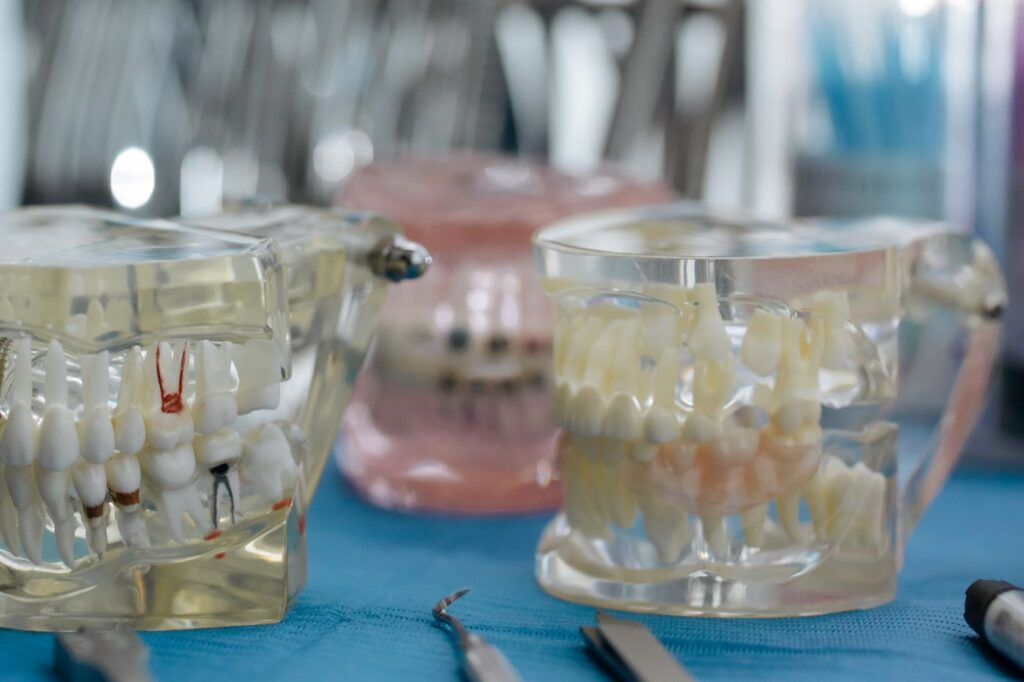
An adult tooth knocked completely out is one of the few genuine dental emergencies where what you do in the next few minutes matters more than what any dentist does later.
If the tooth is out and you can act now: pick it up by the crown, never the root. Rinse it briefly in milk or water if dirty. Push it gently back into the socket and bite on a cloth to hold it. Then go straight to a dentist.
If you cannot replant it: put it in a cup of milk — not water — and go immediately. Do not wrap it in tissue.
Key takeaways
- Dry time is the clock. Ligament cells begin dying within 15 minutes and are largely gone by 60.
- Handle the crown only. Scrubbing the root destroys the cells that let it reattach.
- Replanting it yourself, straight away, gives the best result of anything available.
- Milk beats saliva; saliva beats water; water beats dry. Never store it dry.
- Baby teeth are the exception — never replant one.
What to do, in order
- Find the tooth and pick it up by the crown — the white part you chew with. Do not touch the root.
- If it is dirty, rinse for a few seconds in milk, saline or cold water. No soap, no scrubbing, no drying.
- Put it back in the socket the right way round, and press gently until level with the neighbouring teeth.
- Hold it there by biting on a clean cloth or gauze.
- If replanting is not possible, store it in milk and take it with you.
- Get to a dentist immediately — call on the way rather than before leaving.
Why handling matters so much
The root is covered in periodontal ligament cells — the tissue that anchors a tooth into bone. They are alive, and they are fragile.
Wiping the root dry, scrubbing off debris, or letting it sit on a table kills them. Once they are gone, the tooth may still be replanted but is far more likely to fuse to the bone and be lost over time.
Storage: what to use if you cannot replant
| Medium | How good | Why |
|---|---|---|
| Back in the socket | Best | The tooth’s own environment; nothing replicates it |
| Cold milk | Excellent | Right osmolality and pH; keeps cells viable for hours |
| Saliva (inside the cheek) | Good | Adults only, and only if there is no choking risk |
| Saline / contact lens solution | Good | Better than water, worse than milk |
| Water | Poor | Wrong osmolality — cells swell and burst |
| Dry, in tissue or a pocket | Worst | Cells die within minutes; strongly reduces survival |
Swipe the table sideways to see every column.
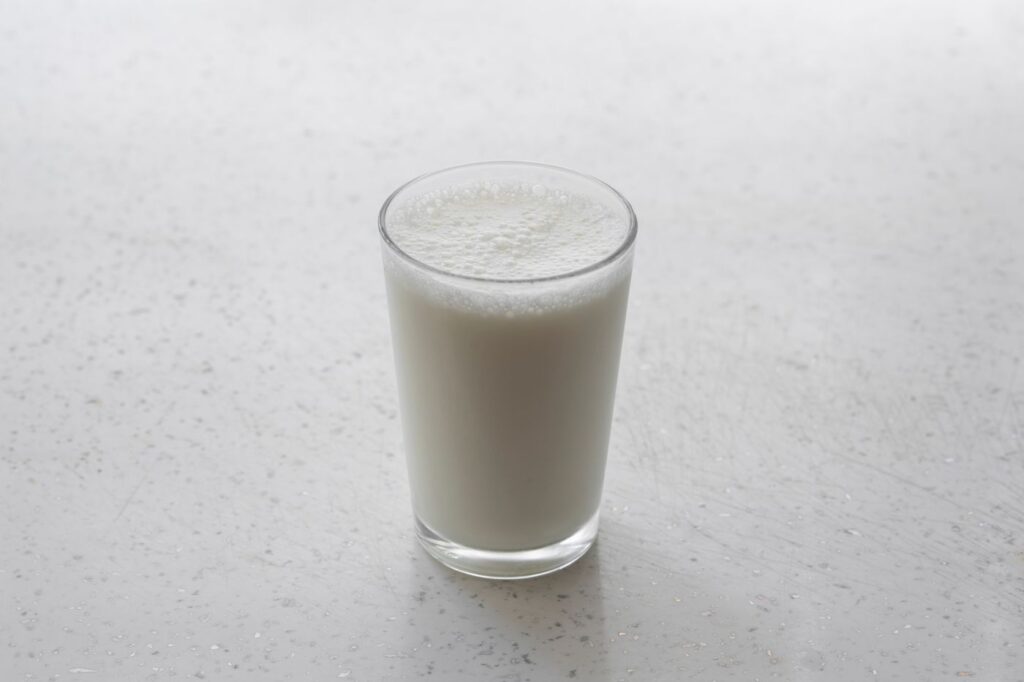
Milk is the practical winner because most homes, schools and sports clubs have it. Water is actively harmful as a storage medium, despite being the instinctive choice.
| Do | Do not |
|---|---|
| Hold the tooth by the crown | Touch or rub the root surface |
| Rinse briefly in milk or water if dirty | Scrub it, or use soap or disinfectant |
| Replant it and bite on gauze to hold it | Force it if it will not seat — store it instead |
| Store in milk if you cannot replant | Wrap it in tissue or let it dry out |
| Go straight to a dentist | Wait to see whether it settles overnight |
| Take the tooth with you either way | Assume a dirty or broken tooth is beyond saving |
Swipe the table sideways to see every column.
Where to go, and how fast
Go to a dentist, not an emergency room, unless there is a head injury, loss of consciousness, or an injury needing medical care — in which case the hospital comes first and the tooth travels with you in milk.

Call ahead if you can, but do not delay leaving in order to make the call. Our page on traumatic dental injuries covers displaced and fractured teeth too, and which symptoms count as an emergency explains what else warrants same-day care.
Children and baby teeth
This is the important exception. A replanted primary tooth can damage or discolour the permanent tooth forming above it, so the guidance is to leave it out.

Keep your child calm, control any bleeding with gentle pressure on clean gauze, and still see a dentist promptly to check that nothing else has been damaged in the accident. If you genuinely cannot tell whether it is a baby tooth or an adult one, do not guess — bring the tooth in with you and let us make that call.
What happens afterwards
A replanted tooth is splinted to its neighbours for a couple of weeks while the ligament reattaches. In an adult with a fully formed root, root canal treatment follows shortly after — the blood supply was severed and the pulp will not recover.
Long-term success depends heavily on that first hour, which is why the steps above matter more than anything that happens in the chair. Cleveland Clinic’s overview of avulsed teeth is a solid independent reference. If this happens away from home, what to do about a dental emergency while travelling covers finding care quickly.
Preventing it in the first place
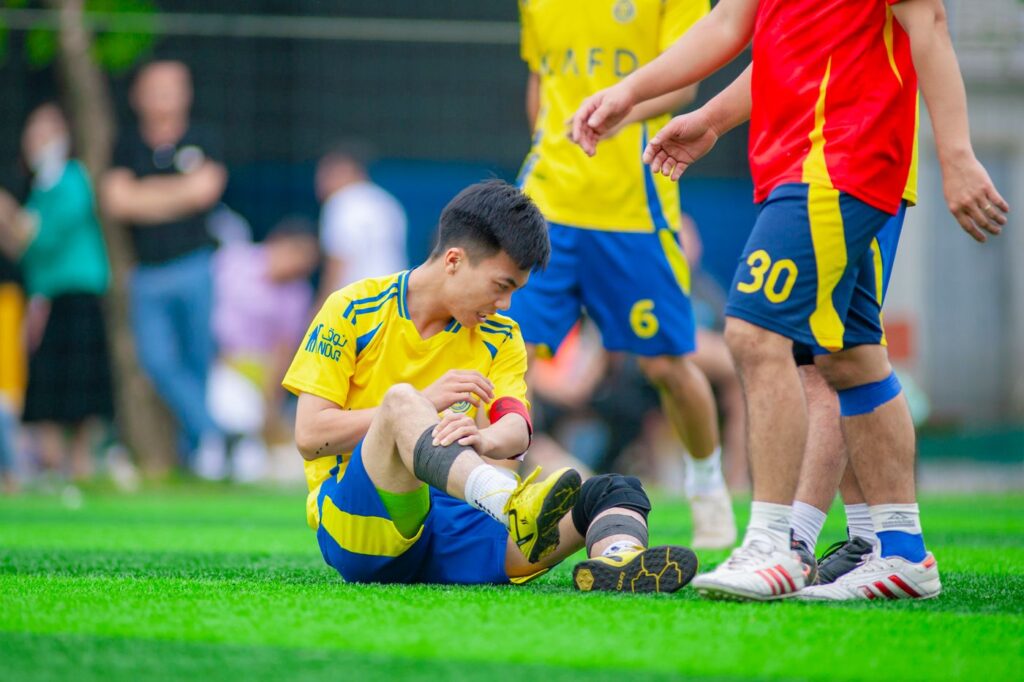
Most avulsed teeth we see come from sport. A properly fitted mouthguard — not a boil-and-bite from a supermarket — prevents the large majority of them, and costs a fraction of replacing a front tooth.
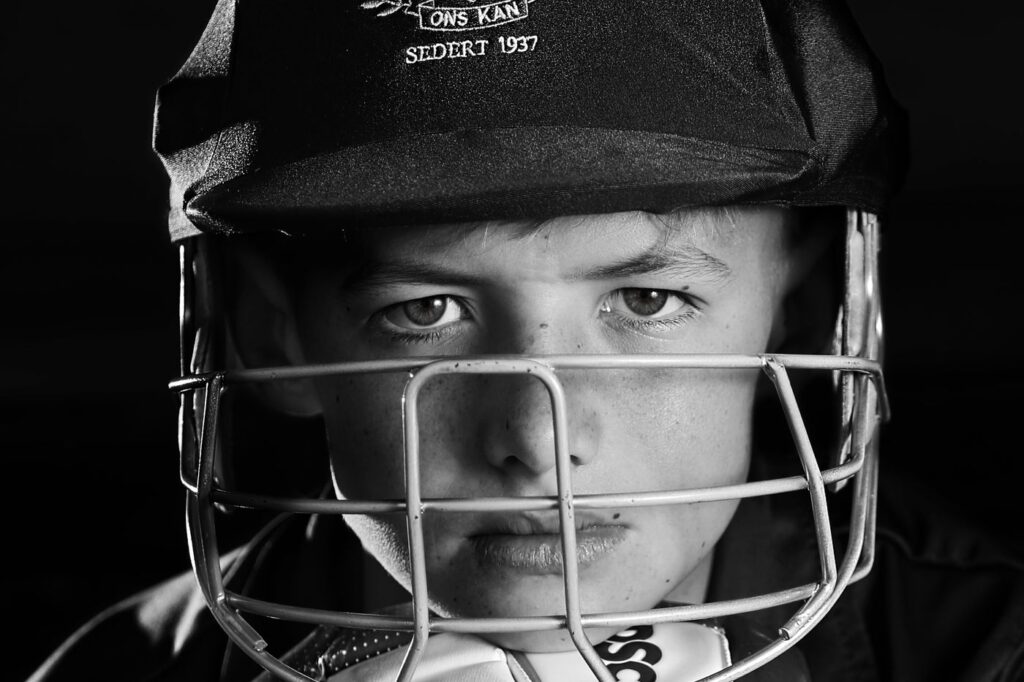
The same guard protects against the partial injuries that are far more common than full avulsion: chipped edges, teeth pushed out of position, and the fracture lines described in our cracked teeth page. Our tips for protecting your natural teeth cover guards, and the anatomy of a tooth explains why the root surface is the part that matters here.
Frequently asked questions
How long can a knocked-out tooth survive outside the mouth?
The ligament cells on the root start dying within about 15 minutes of drying and are largely lost by 60 minutes. Kept moist in milk or saliva, viability extends considerably — but dry time is the clock that matters, not total time.
Can I clean the tooth before putting it back?
Rinse briefly with milk, saline or water to remove visible dirt. Never scrub it, use soap, or dry it with a cloth. The cells you are removing are exactly the ones needed for it to reattach.
What if it is a child’s baby tooth?
Do not replant it. A replanted baby tooth can damage the permanent tooth developing above it. Keep the child comfortable and see a dentist, but leave the tooth out.
Will the tooth need a root canal afterwards?
In an adult with a fully formed root, almost always — the blood supply is severed when the tooth comes out, so the pulp will not survive. Treatment usually starts within a couple of weeks of replanting.
Have Questions or Ready to Schedule?
Our team is here to help — call, email, or request an appointment online.