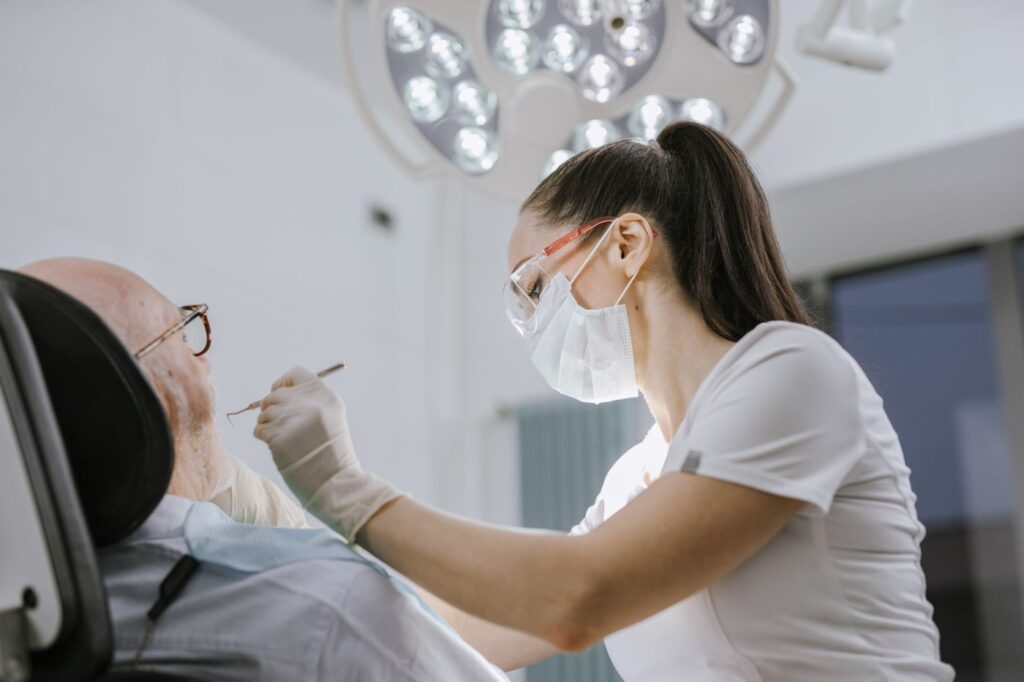
10-E Farmfield Avenue, Charleston, SC 29407

235-213-0595

Category: Emergency Dental Care

Urgent dental problems: what counts as an emergency and what to do right now.

  • Dental Emergency While Travelling: What to Do

    Dental Emergency While Travelling: What to Do

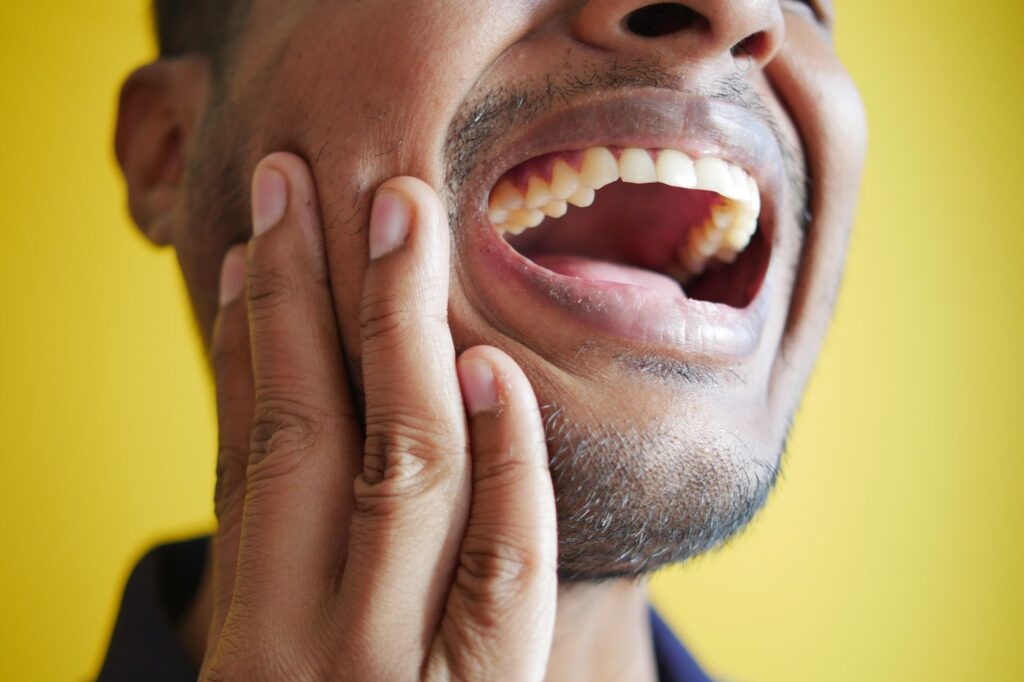
    Toothache eight hours from home is a logistics problem before it is a clinical one. What you need is a short list of what can wait, what cannot, and who to call.

    Here is how to sort the two, what belongs in your luggage, and how to find competent care in a place you do not know.

    Key takeaways

    • Swelling, fever or difficulty swallowing needs care that day, wherever you are.
    • A lost crown or filling can usually be managed for a few days with pharmacy supplies.
    • Most domestic dental plans stop at the border; travel policies typically cover pain relief only.
    • A check-up before a long trip is the cheapest insurance available.

    Sort it first: wait, or find someone today

    The distinction that matters is not how much it hurts. It is whether infection is spreading.

    Manage the pain, but do not assume it will hold until you fly home
    Manage the pain, but do not assume it will hold until you fly home.
    What can wait and what cannot
    SituationWhat to do
    Facial swelling, fever, difficulty swallowing or openingEmergency care that day — do not wait for the flight home
    Severe pain keeping you awakeFind a dentist locally; this rarely improves on its own
    Tooth knocked outWithin the hour — keep it moist, do not scrub it
    Crown or filling lost, no painManageable for days with pharmacy temporary cement
    Mild sensitivity to hot or coldUsually holds; sensitive toothpaste and avoid the trigger
    Chipped tooth, no sharp edge, no painWait until you are home

    Swipe the table sideways to see every column.

    The top row is the one people misjudge. Swelling that spreads toward the eye or down the neck is a medical emergency, not a dental inconvenience — the abscess warning signs are the same abroad as at home.

    What to pack

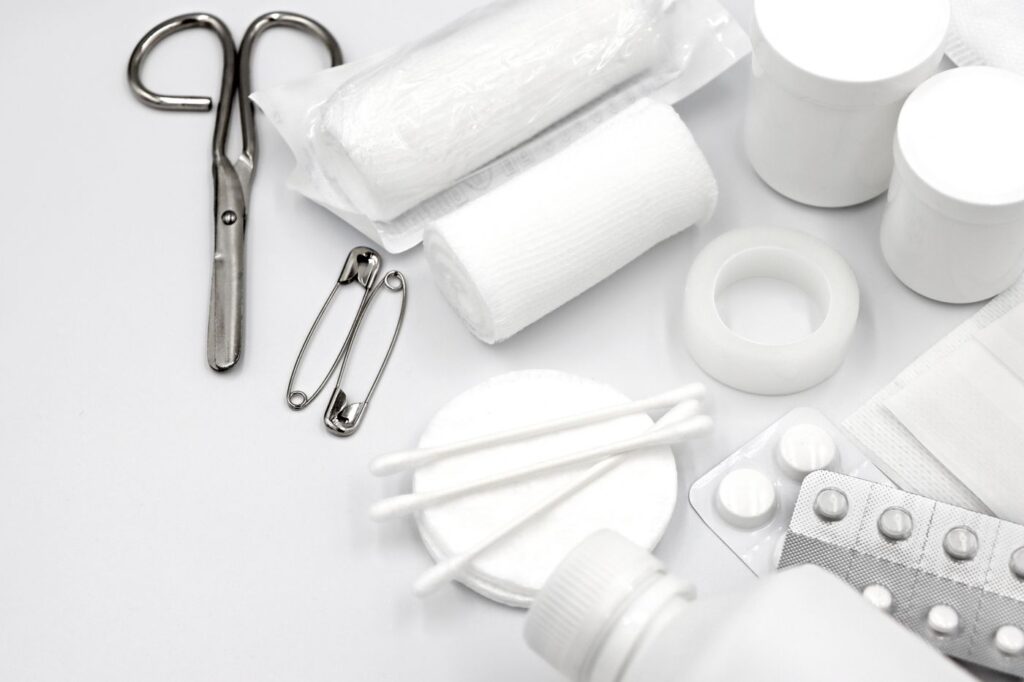
    A pouch that fits in a wash bag covers the majority of travel dental problems, and everything in it is available before you leave.
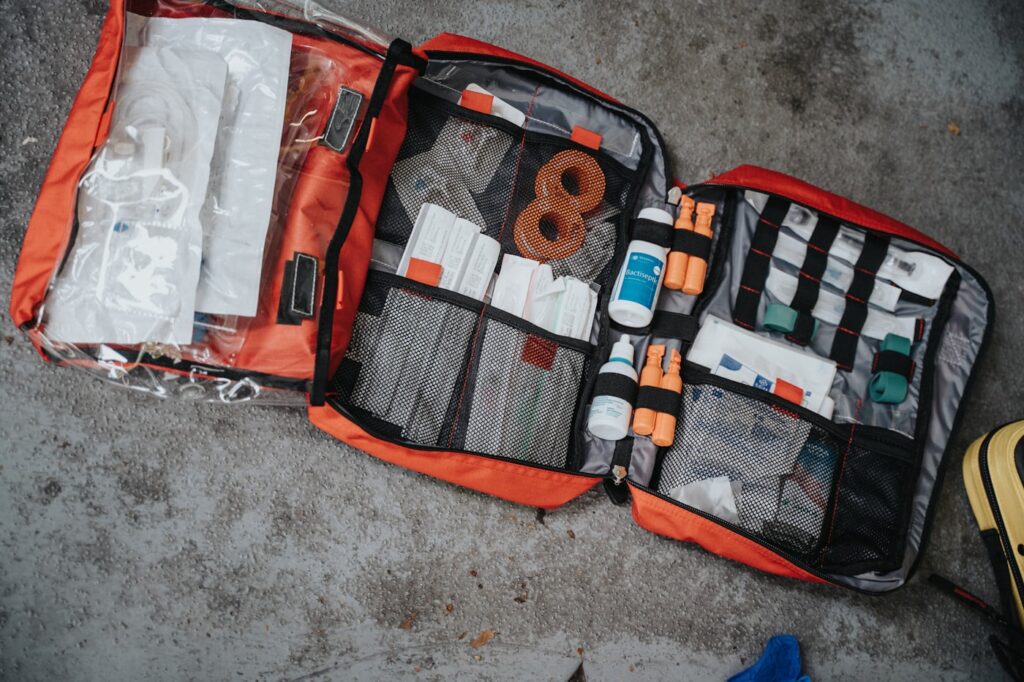
    A small kit handles most of what goes wrong
    A small kit handles most of what goes wrong.
    • Temporary filling material or dental cement from a pharmacy — for a lost filling or a crown that has come off.
    • Ibuprofen and paracetamol, which work better alternated than either alone.
    • Orthodontic wax, which covers a sharp edge and stops it shredding your tongue.
    • A small container with a lid — useful if a crown or a tooth comes out.
    • Your dentist’s contact details saved offline, not only in an email you need signal to open.

    If you already have a temporary restoration in place, take the material rather than hoping. Temporaries are designed to last weeks, and a long trip is exactly when one gives way.

    Before you go

    If you have a symptom you have been ignoring, deal with it before a long trip rather than after. A tooth that twinges at home reliably becomes the tooth that keeps you awake in a hotel room.
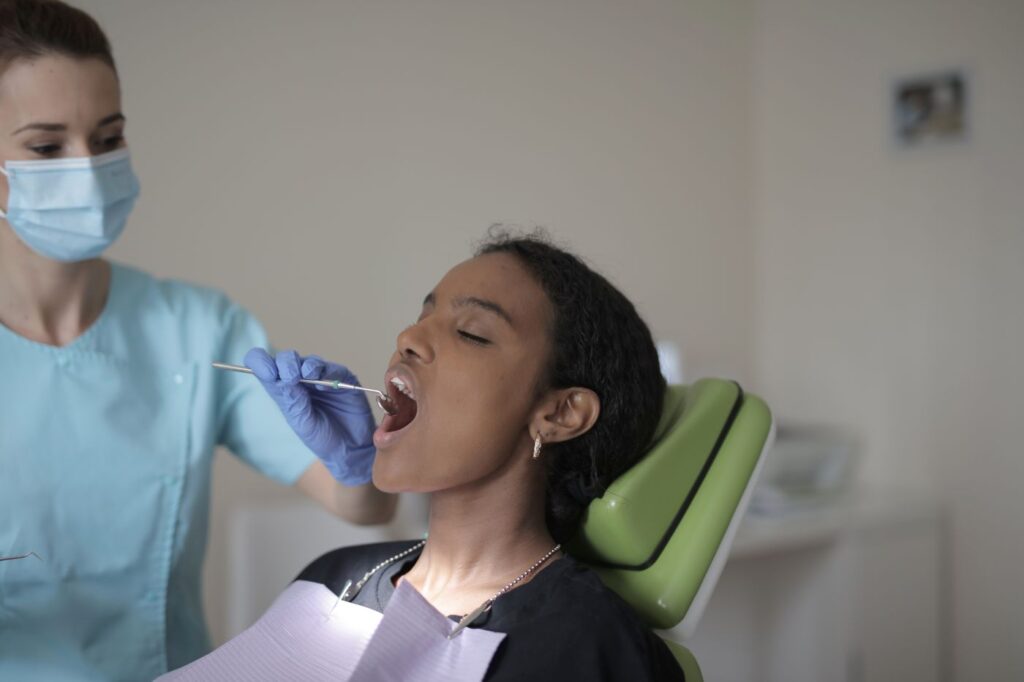
    The cheapest travel insurance is a check-up before you leave
    The cheapest travel insurance is a check-up before you leave.

    This applies particularly to anything already under way — a temporary crown, an unfinished root canal, a tooth that has been sensitive for weeks. Pain on biting is the classic symptom people postpone, and it does not improve with distance.

    Finding a dentist you do not know

    Do not simply walk into the nearest practice. Four sources are better than a map search, in roughly this order.

    Hotel desks, consulates and insurers all keep lists of English-speaking dentists
    Hotel desks, consulates and insurers all keep lists of English-speaking dentists.
    Where to look, and what each is good for
    SourceUseful for
    Your travel insurerA vetted clinic, and confirmation of what is covered before you commit
    Your embassy or consulateLists of English-speaking practitioners; the standard first port of call
    Hotel concierge or receptionFast local knowledge; they deal with this often
    A local hospital emergency departmentSwelling, fever, or anything systemic

    Swipe the table sideways to see every column.

    Ask two questions when you arrive: what exactly are you doing today, and what will it cost. Emergency treatment abroad should stabilise the problem — relieve pain, drain infection, place a temporary. It is rarely the moment for a full course of treatment you cannot follow up.

    Ask your own dentist from where you are

    This is underused. A clear photograph and a description of the symptoms is often enough for someone who knows your mouth to tell you whether this waits.

    A photograph and a phone call can settle whether it can wait
    A photograph and a phone call can settle whether it can wait.

    They also know what is already going on in that tooth, which a stranger does not. If you have had a root canal recently and the tooth is suddenly painful again, that history changes the assessment considerably — see what a returning symptom usually means.

    The insurance trap

    Two gaps catch people out. Domestic dental insurance generally does not travel. And travel insurance usually covers emergency pain relief only, with definitions that exclude most actual treatment.
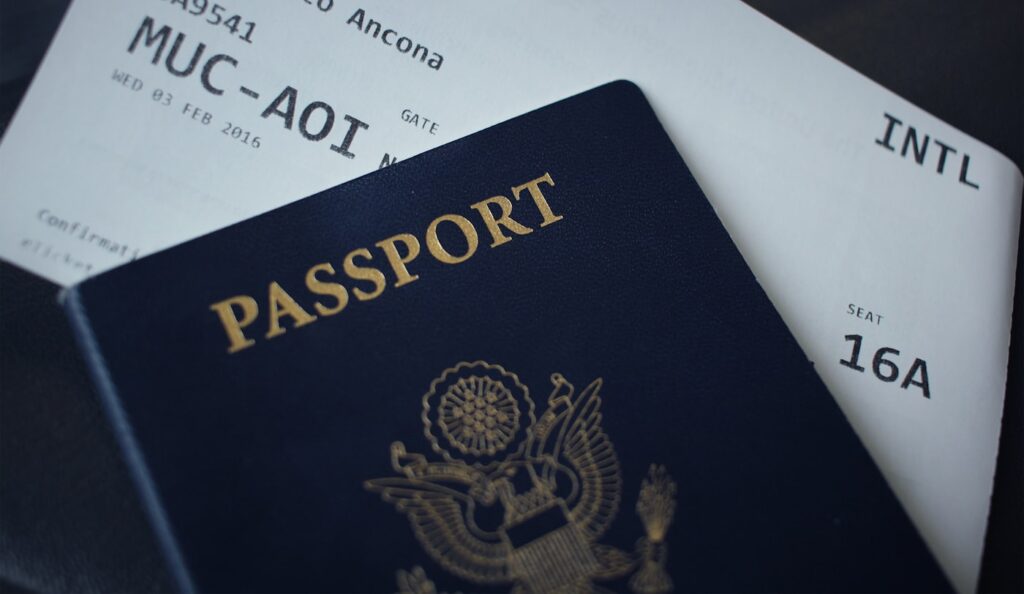
    Most domestic dental plans stop at the border
    Most domestic dental plans stop at the border.

    Read the dental section before you leave, keep every receipt and any radiographs, and expect to pay at the time and claim afterwards. Cost and coverage covers how this works at home for comparison.

    Managing pain until you are seen

    Whatever the plan, you may have hours to get through first. A few things help and one common mistake makes matters worse.

    Alternating ibuprofen and paracetamol works better than either at double dose, and staying ahead of the pain is more effective than chasing it. Cold against the cheek helps swelling; heat generally does not, and can encourage an infection to spread.

    Do not place aspirin against the gum. It burns the tissue without touching the tooth, and it remains one of the commonest self-treatments we see the aftermath of. If you are already carrying antibiotics from home, do not start them on your own judgement — they treat spreading infection, not toothache, and taking a partial course makes the eventual treatment harder.

    When you get back

    Have anything done abroad checked. A temporary placed in another country is still a temporary, and it needs replacing on the same timescale as one placed down the road.

    Bring whatever paperwork and images you were given. The American Association of Endodontists’ guide to dental symptoms and what they signal is a reasonable reference for judging severity while you are away.

    Frequently asked questions

    Does my dental insurance cover me abroad?

    Usually not. Most domestic dental plans stop at the border, and most travel insurance covers emergency pain relief only — not crowns, root canals or anything described as routine. Check the wording before you go rather than at the counter.

    Can a root canal wait until I get home?

    Sometimes, if you are days rather than weeks from returning and there is no swelling. Swelling, fever or spreading pain never waits. If in doubt, send your own dentist a photograph and describe the symptoms.

    Is dental care abroad safe?

    Standards vary by country and by practice rather than by continent. Ask about sterilisation, use single-use items where offered, and prefer a clinic recommended by your insurer, consulate or hotel over one found by walking past it.

    What if a crown comes off while I am away?

    Keep it. Do not glue it back with household adhesive. A pharmacy temporary cement will usually hold it for a few days, and your own dentist can re-cement it properly on your return.

    Have Questions or Ready to Schedule?

    Our team is here to help — call, email, or request an appointment online.
    About this guide. Written for patients of Southeast Endodontics, PC, Charleston, SC. If you are a patient of ours and something goes wrong while travelling, call the practice — we would rather advise you from a distance than see the result later.

  • Loose or Chipped Tooth After an Accident: What to Do

    Loose or Chipped Tooth After an Accident: What to Do

    A knocked-out tooth is obviously an emergency. A tooth that is merely loose, pushed slightly out of line, or chipped is the injury people talk themselves out of getting checked — and it is the one that quietly goes wrong months later.

    Seek care today if a tooth is visibly displaced, loose enough to move when you touch it, or the chip exposes a pink or red spot in the middle of the tooth.

    Go to hospital first if there was loss of consciousness, a suspected jaw fracture, or an injury needing medical attention. The tooth can be dealt with afterwards.

    Key takeaways

    • A loose or displaced tooth should be repositioned and splinted, ideally the same day.
    • Splinting is short and flexible — about two weeks for subluxation, four for luxation.
    • A chip exposing yellow dentine or a pink spot needs treating within hours, not days.
    • The pulp can die quietly months later, which is why follow-up runs for a year.

    The injuries, and how each is handled

    Dental injuries short of avulsion, and what each needs
    InjuryWhat you noticeUsual treatment
    ConcussionTender to touch, not looseMonitoring; soft diet
    SubluxationLoose but not moved out of positionFlexible splint about 2 weeks
    Extrusive luxationTooth looks longer, feels high on bitingRepositioned, splinted around 4 weeks
    Lateral luxationPushed sideways, often locked in placeRepositioned, splinted around 4 weeks
    Intrusive luxationDriven up into the socket, looks shorterDepends on root maturity; often needs specialist care
    Enamel chipRough edge, no colour changeSmoothing or bonding, not urgent
    Chip exposing dentine or pulpYellow area, or a pink or red spotSame-day protection of the pulp

    Swipe the table sideways to see every column.

    Why a loose tooth matters even without pain

    The periodontal ligament suspends each tooth in its socket. An impact tears some of those fibres, and the tooth loosens.

    A flexible splint holds the tooth while the ligament reattaches
    A flexible splint holds the tooth to its neighbours while the ligament reattaches.

    Left unsupported, it moves during healing and the ligament reattaches poorly. Worse, the blood vessels entering the root tip may have been stretched or severed — which the tooth will not tell you about for weeks.

    A splint is a thin wire or composite bonded to the injured tooth and the sound teeth either side. Deliberately flexible: some physiological movement encourages normal ligament healing, whereas rigid fixation for too long risks the tooth fusing to bone.

    Reading a chipped tooth

    Size is a poor guide. What matters is which layer is exposed.

    A chip confined to enamel is cosmetic; a chip exposing dentine is not
    How deep the chip goes matters far more than how big it looks.
    • Enamel only — a rough edge, uniform colour. Cosmetic; bond or smooth it at your convenience.
    • Into dentine — a distinctly yellower area. Sensitive to air and cold, and needs covering within a day or two because dentine tubules lead to the pulp.
    • Pulp exposed — a pink or red dot, possibly bleeding. Same-day treatment. In a young tooth, prompt care can keep the pulp alive.

    Keep any fragment in milk and bring it — it can often be bonded back. If the tooth was also loosened, both problems need addressing at the same visit.

    Why the pulp can fail months later

    This is the part patients find hardest to accept when the tooth feels fine. Trauma stretches the vessels entering the root tip; they may recover, or thrombose and cut off the blood supply.

    The pulp can die quietly weeks or months after the accident
    The pulp can survive the injury, or die quietly weeks later. Testing is the only way to know.

    If the pulp dies, it does so without symptoms in many cases. The first sign is often the tooth darkening — see why a tooth turns dark — or an abscess appearing at the root tip long after the accident is forgotten.

    What to do in the first hour

    Do not try to push a displaced tooth back into position yourself. Unlike a knocked-out tooth, where immediate replanting genuinely helps, a luxated tooth is still attached and forcing it risks further damage to the ligament and the bone around it.

    Instead: bite gently on clean gauze to steady it, use a cold compress on the outside of the face for the swelling, take ibuprofen if it suits you, and eat nothing that needs chewing until you have been seen.

    If a fragment broke off, keep it moist in milk and bring it. Reattaching the patient’s own fragment gives a better colour and translucency match than any composite, and it is often still possible hours later.

    Photograph the injury before anything is treated if you can. It is genuinely useful for insurance, and for comparison at the follow-up appointments.

    The follow-up schedule, and why it is that long

    What each follow-up is checking for
    WhenWhat we checkWhy then
    2 weeksSplint, pulp response, healingSplint removal for subluxation
    4 weeksPulp testing, mobilitySplint removal for luxation injuries
    8 weeksPulp vitality, early resorptionNecrosis often first detectable here
    6 monthsVitality, root development in childrenLate necrosis and resorption
    1 yearRadiographic reviewConfirms stable long-term healing

    Swipe the table sideways to see every column.

    Reviews at 2 and 4 weeks, then 8 weeks, 6 months and a year
    Two weeks, four weeks, eight weeks, six months, one year.

    If the pulp does die, root canal treatment resolves it, and in an immature tooth the approach differs — see endodontics in children. Our traumatic injuries page covers the wider clinical picture.

    What recovery usually looks like

    Expect the tooth to feel tender to bite on for a week or two after splinting, and slightly loose for a while after the splint comes off. Both settle.

    Eat soft food while splinted, keep the area meticulously clean, and avoid contact sport until you are discharged. Most displaced teeth recover fully when they are repositioned early and reviewed properly.

    Prevention, since most of these are preventable

    A properly fitted mouthguard prevents the majority of sports-related dental injuries, including the displacements described here, and costs a fraction of treating one.

    Bicycle falls and playground impacts account for most of these injuries
    Bicycle falls, sport and playground impacts account for most of what we see.

    Cleveland Clinic’s overview of tooth luxation is a useful independent reference on the injury types above.

    Most displaced teeth survive if they are repositioned and monitored
    Repositioned early and monitored properly, most displaced teeth survive.

    Frequently asked questions

    My tooth is loose after a knock but does not hurt. Do I still need to be seen?

    Yes, and soon. Mobility means the ligament holding the tooth has been damaged, and a tooth that stabilises on its own can still lose its pulp quietly over the following months. Splinting early gives it the best chance.

    How long does a splint stay on?

    It depends on the injury. Around two weeks for a subluxation, roughly four weeks for extrusive or lateral luxation. Longer is not better — prolonged rigid splinting increases the risk of the tooth fusing to the bone.

    I chipped a tooth and it looks fine. Can I leave it?

    If the chip is confined to enamel, it is cosmetic and not urgent. If you can see yellow dentine, or a pink or red spot in the middle, the pulp is exposed or close to it and that needs treating within hours.

    Why do I need follow-ups for a year?

    Because pulp necrosis after trauma frequently appears late. Reviews at two weeks, four weeks, eight weeks, six months and a year catch a dying pulp before it becomes an abscess.

    Have Questions or Ready to Schedule?

    Our team is here to help — call, email, or request an appointment online.
    About this guide. Written for patients of Southeast Endodontics, PC, Charleston, SC, following International Association of Dental Traumatology guidance. If an injury happened today, call rather than finish reading.

  • Dental Abscess: Why Antibiotics Alone Will Not Fix It

    Dental Abscess: Why Antibiotics Alone Will Not Fix It

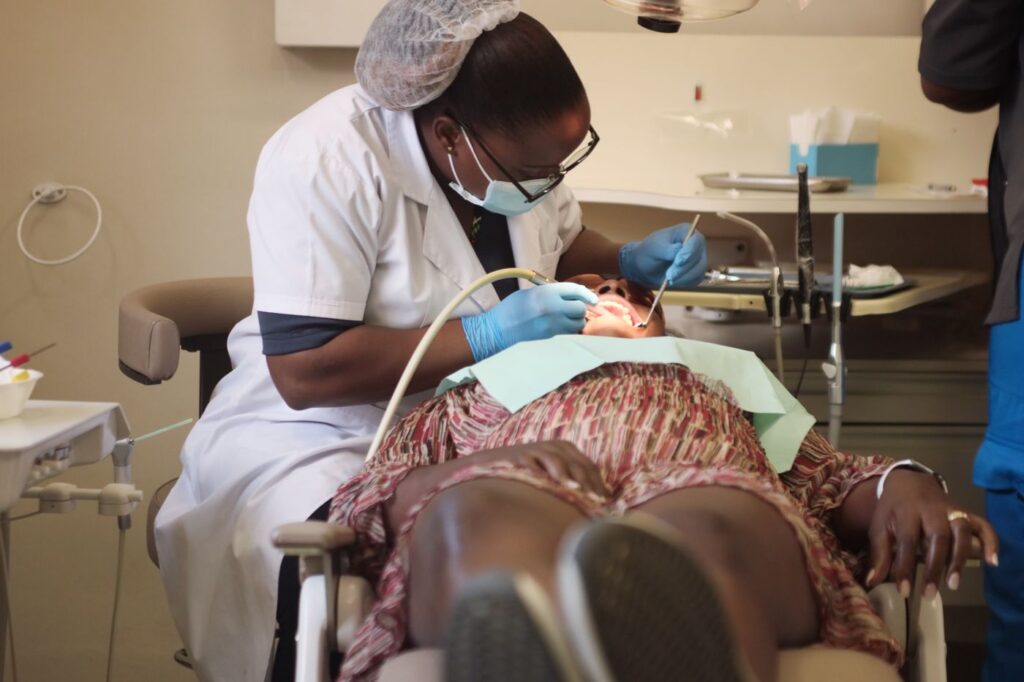
    A course of antibiotics, a few days of relief, and then it comes back. That cycle is the most common story we hear about dental abscesses, and it is not bad luck — it is what happens when the source is never removed.

    Seek emergency care now if swelling is spreading toward your eye or down your neck, you have difficulty breathing or swallowing, you cannot open your mouth, or you have a fever with facial swelling.

    Dental infections can spread into the tissue spaces of the face and neck. That is a hospital problem, not a wait-until-Monday problem.

    Key takeaways

    • An abscess is a walled-off pocket of pus. Antibiotics struggle to penetrate it.
    • Antibiotics alone reliably produce temporary relief and reliable recurrence.
    • Resolution needs the source removed — root canal treatment or extraction — and drainage.
    • Pain stopping usually means the pressure found a way out, not that the infection cleared.

    What an abscess actually is

    When bacteria reach the pulp inside a tooth and it dies, the infection works out through the tip of the root into the surrounding bone. Your immune system walls the area off, and pus collects inside that boundary.

    That wall is the problem. It contains the infection, which is useful, but it also blocks antibiotics from reaching the bacteria inside — and the low pH within an abscess reduces how well several antibiotics work even when they do get there.

    How bacteria got in

    An abscess is always secondary to something. Deep decay is the commonest route, giving bacteria a path through enamel and dentine into the pulp chamber.

    A crack does the same job faster, letting bacteria into the pulp long before the tooth looks damaged — our guide to the five crack types covers how far each one travels. Trauma is a third route: a knock that severs the blood supply can kill a pulp silently, with the abscess appearing months or even years later.

    Which of these caused it matters, because it changes the prognosis. Decay and a quietly dead pulp are straightforward to treat. A crack extending below the gumline may mean the tooth cannot be saved however well the infection clears.

    Why antibiotics alone do not fix it

    The infection lives inside a root canal system that no longer has a blood supply. Antibiotics travel in blood, so they simply cannot get to the bacteria at the source.

    Antibiotics buy time and reduce swelling; they do not remove the source
    Antibiotics manage the spread. They do not reach the dead tissue inside the canal.

    What they can do is reduce the surrounding infection and stop it spreading, which is genuinely valuable when there is swelling. That is why we prescribe them alongside treatment rather than instead of it.

    What each approach actually achieves
    ApproachReduces swellingRemoves the sourceOutcome
    Antibiotics aloneYesNoRelief for days to weeks, then recurrence
    Drainage aloneYesNoFaster relief, still recurs
    Root canal treatmentYesYesResolves; tooth kept
    ExtractionYesYesResolves; tooth lost
    Waiting it outNoNoSpreads; risks becoming an emergency

    Swipe the table sideways to see every column.

    The signs, and how urgent each one is

    A gum boil that appears, drains and disappears is the version people ignore longest, because it barely hurts. It is still an active infection.

    A recurring gum boil is drainage finding its own way out
    A recurring pimple on the gum is the infection draining itself — painless, and not a sign of healing.
    Abscess symptoms ranked by urgency
    What you haveHow urgentWhy
    Spreading swelling, trouble swallowing or breathingEmergency room nowInfection is tracking into the neck or face
    Facial swelling with feverSame dayNeeds drainage and antibiotics immediately
    Severe throbbing, tooth tender to touchSame dayPressure is building with nowhere to go
    Gum boil that drains and returnsWithin daysChronic infection; painless but progressive
    Bad taste, tooth feels raisedWithin daysEarly signs of pressure at the root tip
    Dark tooth, no symptomsRoutine assessmentPulp may have died silently years ago

    Swipe the table sideways to see every column.

    Swelling that spreads, or fever, changes this from urgent to emergency
    Fever alongside facial swelling means the infection has outgrown the local area.

    If you are already at that stage, our guide to endodontic emergencies covers what to do in the hours before you are seen.

    How it is actually treated

    Treatment does two things: releases the pressure, and removes what is feeding the infection. Opening the tooth and cleaning the canal system usually achieves both in one appointment.

    Drainage plus removing the source is what actually resolves it
    Drainage relieves the pressure; removing the source is what stops it returning.

    Where there is significant swelling we may drain it and start antibiotics first, then complete root canal treatment once things settle. If the tooth cannot be restored, extraction and its alternatives is the honest conversation to have instead.

    Why it stopped hurting on its own

    This is the single most misleading thing an abscess does. Pressure builds until it finds a route out — through the gum, or occasionally into the sinus — and the moment it drains, the pain drops away.

    Nothing has been cured. The tooth is still dead, the canal is still full of bacteria, and the drainage channel simply keeps the pressure below the threshold where you notice it. People routinely live with this for years, which is how a treatable tooth becomes an unrestorable one.

    The same logic applies to a course of antibiotics that seemed to work. Feeling better is not evidence that the source has gone; it is evidence that the swelling around it has settled.

    What healing looks like afterwards

    Pain usually improves within a day or two of the pressure being released. Bone is slower — the shadow visible on a radiograph fills in over six to twelve months, which is why we sometimes review with a follow-up film rather than relying on symptoms.

    The dark area at the root tip is bone the infection has destroyed
    The dark shadow at the root tip is bone the infection destroyed. It rebuilds slowly.

    Our recovery guide covers the first week in detail, including the signs that mean you should call rather than wait.

    Treated properly, the bone rebuilds over the following months
    Treated at the source, an abscessed tooth usually stays in service for decades.

    If a previously treated tooth abscesses, that is a different problem with its own options — see retreatment, surgery or extraction. The NIH’s clinical review of dental abscess sets out the underlying microbiology.

    Frequently asked questions

    Can a tooth abscess go away on its own?

    No. The pressure sometimes finds a route out through the gum, which relieves the pain and makes it feel resolved — but the infection inside the tooth is unchanged and will build again.

    Why did the antibiotics stop working?

    They did not fail so much as run out. Antibiotics reduce the surrounding infection but cannot reach inside a canal that has lost its blood supply, or penetrate a walled-off pocket of pus. Once the course ends, the source is still there.

    How urgent is a dental abscess?

    Same-day if there is facial swelling or fever. Immediate emergency care if swelling spreads toward your eye or throat, or you have difficulty breathing or swallowing. A small gum boil without swelling still needs treating, but within days rather than hours.

    Does treating an abscess mean losing the tooth?

    Usually not. Root canal treatment removes the source and lets the bone heal — extraction is the fallback when the tooth is fractured or cannot be restored, not the default.

    Have Questions or Ready to Schedule?

    Our team is here to help — call, email, or request an appointment online.
    About this guide. Written for patients of Southeast Endodontics, PC, Charleston, SC. General information, not a diagnosis — if you have facial swelling or fever, seek care today rather than reading further.

  • Knocked-Out Tooth: What to Do in the First 30 Minutes

    Knocked-Out Tooth: What to Do in the First 30 Minutes

    An adult tooth knocked completely out is one of the few genuine dental emergencies where what you do in the next few minutes matters more than what any dentist does later.

    If the tooth is out and you can act now: pick it up by the crown, never the root. Rinse it briefly in milk or water if dirty. Push it gently back into the socket and bite on a cloth to hold it. Then go straight to a dentist.

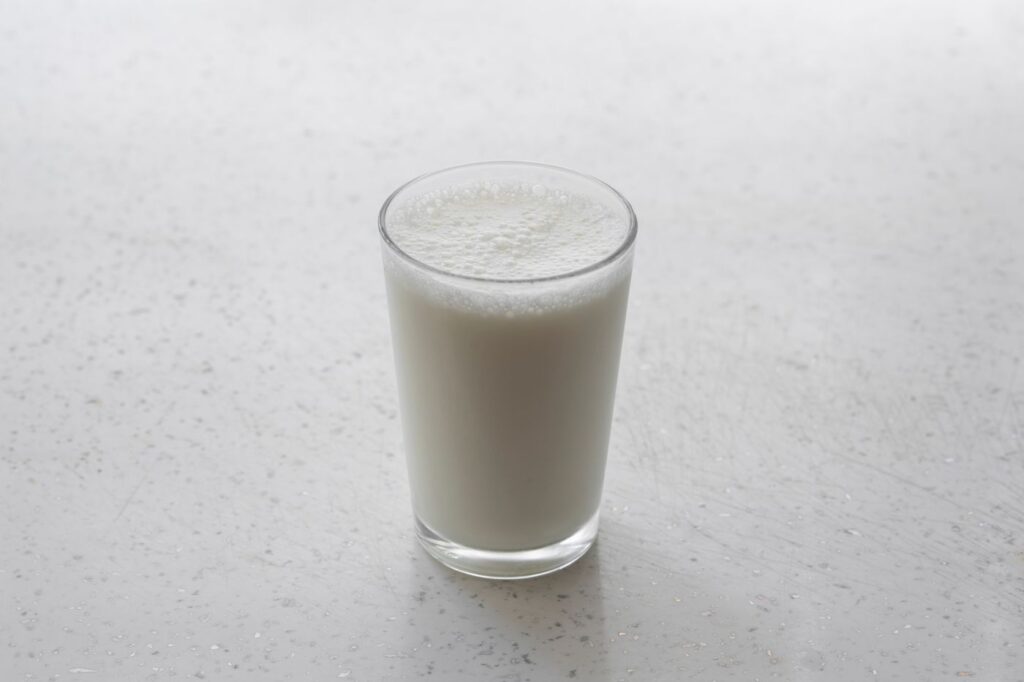
    If you cannot replant it: put it in a cup of milk — not water — and go immediately. Do not wrap it in tissue.

    Key takeaways

    • Dry time is the clock. Ligament cells begin dying within 15 minutes and are largely gone by 60.
    • Handle the crown only. Scrubbing the root destroys the cells that let it reattach.
    • Replanting it yourself, straight away, gives the best result of anything available.
    • Milk beats saliva; saliva beats water; water beats dry. Never store it dry.
    • Baby teeth are the exception — never replant one.

    What to do, in order

    1. Find the tooth and pick it up by the crown — the white part you chew with. Do not touch the root.
    2. If it is dirty, rinse for a few seconds in milk, saline or cold water. No soap, no scrubbing, no drying.
    3. Put it back in the socket the right way round, and press gently until level with the neighbouring teeth.
    4. Hold it there by biting on a clean cloth or gauze.
    5. If replanting is not possible, store it in milk and take it with you.
    6. Get to a dentist immediately — call on the way rather than before leaving.
    Keep milk and clean gauze to hand — the response matters more than the kit
    What you do in the first few minutes matters more than what is in the kit.

    Why handling matters so much

    The root is covered in periodontal ligament cells — the tissue that anchors a tooth into bone. They are alive, and they are fragile.

    Hold the crown only — the root surface cells are what allow reattachment
    The root surface carries the living cells that allow reattachment. Touching or scrubbing them ends the tooth’s chances.

    Wiping the root dry, scrubbing off debris, or letting it sit on a table kills them. Once they are gone, the tooth may still be replanted but is far more likely to fuse to the bone and be lost over time.

    Storage: what to use if you cannot replant

    Storage options for a knocked-out tooth, best to worst
    MediumHow goodWhy
    Back in the socketBestThe tooth’s own environment; nothing replicates it
    Cold milkExcellentRight osmolality and pH; keeps cells viable for hours
    Saliva (inside the cheek)GoodAdults only, and only if there is no choking risk
    Saline / contact lens solutionGoodBetter than water, worse than milk
    WaterPoorWrong osmolality — cells swell and burst
    Dry, in tissue or a pocketWorstCells die within minutes; strongly reduces survival

    Swipe the table sideways to see every column.

    Milk is the best storage medium if the tooth cannot go straight back
    Ordinary cold milk from the fridge is the single most useful thing to reach for.

    Milk is the practical winner because most homes, schools and sports clubs have it. Water is actively harmful as a storage medium, despite being the instinctive choice.

    Do and do not, in the first few minutes
    DoDo not
    Hold the tooth by the crownTouch or rub the root surface
    Rinse briefly in milk or water if dirtyScrub it, or use soap or disinfectant
    Replant it and bite on gauze to hold itForce it if it will not seat — store it instead
    Store in milk if you cannot replantWrap it in tissue or let it dry out
    Go straight to a dentistWait to see whether it settles overnight
    Take the tooth with you either wayAssume a dirty or broken tooth is beyond saving

    Swipe the table sideways to see every column.

    Where to go, and how fast

    Go to a dentist, not an emergency room, unless there is a head injury, loss of consciousness, or an injury needing medical care — in which case the hospital comes first and the tooth travels with you in milk.

    Go straight to a dentist — call on the way rather than after
    A dental practice can replant; a hospital generally cannot. Go dental first unless there are other injuries.

    Call ahead if you can, but do not delay leaving in order to make the call. Our page on traumatic dental injuries covers displaced and fractured teeth too, and which symptoms count as an emergency explains what else warrants same-day care.

    Children and baby teeth

    This is the important exception. A replanted primary tooth can damage or discolour the permanent tooth forming above it, so the guidance is to leave it out.

    A knocked-out baby tooth should never be replanted
    A knocked-out baby tooth is the one case where you should not put it back.

    Keep your child calm, control any bleeding with gentle pressure on clean gauze, and still see a dentist promptly to check that nothing else has been damaged in the accident. If you genuinely cannot tell whether it is a baby tooth or an adult one, do not guess — bring the tooth in with you and let us make that call.

    What happens afterwards

    A replanted tooth is splinted to its neighbours for a couple of weeks while the ligament reattaches. In an adult with a fully formed root, root canal treatment follows shortly after — the blood supply was severed and the pulp will not recover.

    A replanted tooth needs root canal treatment and monitoring afterwards
    Replanting is the start of treatment, not the end of it.

    Long-term success depends heavily on that first hour, which is why the steps above matter more than anything that happens in the chair. Cleveland Clinic’s overview of avulsed teeth is a solid independent reference. If this happens away from home, what to do about a dental emergency while travelling covers finding care quickly.

    Preventing it in the first place

    Most avulsed teeth we see come from sport. A properly fitted mouthguard — not a boil-and-bite from a supermarket — prevents the large majority of them, and costs a fraction of replacing a front tooth.

    A fitted mouthguard prevents most avulsion injuries we see
    A fitted mouthguard prevents most of the sports avulsions we treat.

    The same guard protects against the partial injuries that are far more common than full avulsion: chipped edges, teeth pushed out of position, and the fracture lines described in our cracked teeth page. Our tips for protecting your natural teeth cover guards, and the anatomy of a tooth explains why the root surface is the part that matters here.

    Frequently asked questions

    How long can a knocked-out tooth survive outside the mouth?

    The ligament cells on the root start dying within about 15 minutes of drying and are largely lost by 60 minutes. Kept moist in milk or saliva, viability extends considerably — but dry time is the clock that matters, not total time.

    Can I clean the tooth before putting it back?

    Rinse briefly with milk, saline or water to remove visible dirt. Never scrub it, use soap, or dry it with a cloth. The cells you are removing are exactly the ones needed for it to reattach.

    What if it is a child’s baby tooth?

    Do not replant it. A replanted baby tooth can damage the permanent tooth developing above it. Keep the child comfortable and see a dentist, but leave the tooth out.

    Will the tooth need a root canal afterwards?

    In an adult with a fully formed root, almost always — the blood supply is severed when the tooth comes out, so the pulp will not survive. Treatment usually starts within a couple of weeks of replanting.

    Have Questions or Ready to Schedule?

    Our team is here to help — call, email, or request an appointment online.

    About this guide. Written for patients of Southeast Endodontics, PC, Charleston, SC, and based on International Association of Dental Traumatology guidance. If a tooth is out right now, act first and read later.

  • Emergency Root Canal in Charleston: When Tooth Pain Cannot Wait

    Emergency Root Canal in Charleston: When Tooth Pain Cannot Wait

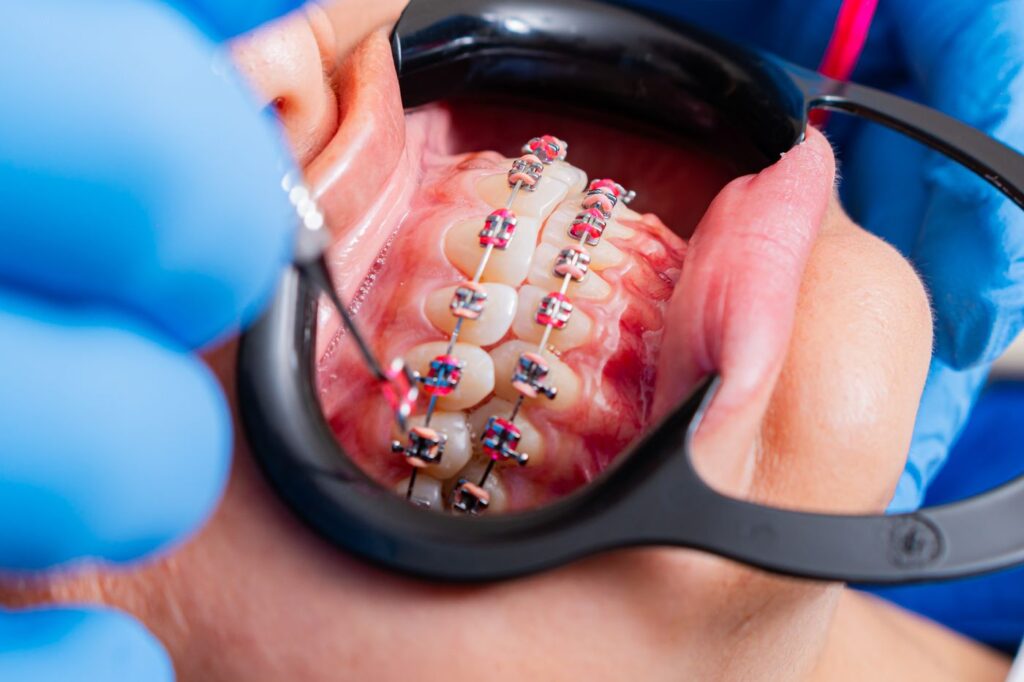
    Tooth pain that arrives suddenly and refuses to settle is one of the few dental problems that genuinely cannot wait. The difficulty is knowing whether you need an appointment this week, this morning, or a hospital right now.

    Go to an emergency room immediately if you have swelling spreading toward your eye or down your neck, difficulty breathing or swallowing, a fever above 101°F with facial swelling, or you cannot open your mouth.

    These signal an infection moving beyond the tooth. A hospital can stabilise your airway and the infection — dental treatment follows afterwards.

    Key takeaways

    • Pain that wakes you at night, lingers after hot or cold, or builds without a trigger means the pulp is inflamed beyond recovery.
    • Swelling changes the picture entirely — facial swelling is same-day, spreading swelling is the emergency room.
    • Pain disappearing is not recovery. It usually means the nerve has died and infection is moving into the bone.
    • Antibiotics alone will not fix it. They cannot reach inside a canal that has lost its blood supply.

    Six signs you need urgent endodontic care

    • Spontaneous, throbbing pain that starts with no trigger — particularly at night.
    • Lingering temperature sensitivity. Pain that continues more than 30 seconds after the hot or cold is gone.
    • Sharp pain on biting or when you release the bite.
    • A bump or pimple on the gum near the tooth, which may taste unpleasant if it drains.
    • Facial or gum swelling, even without much pain.
    • The tooth has darkened compared with its neighbours.
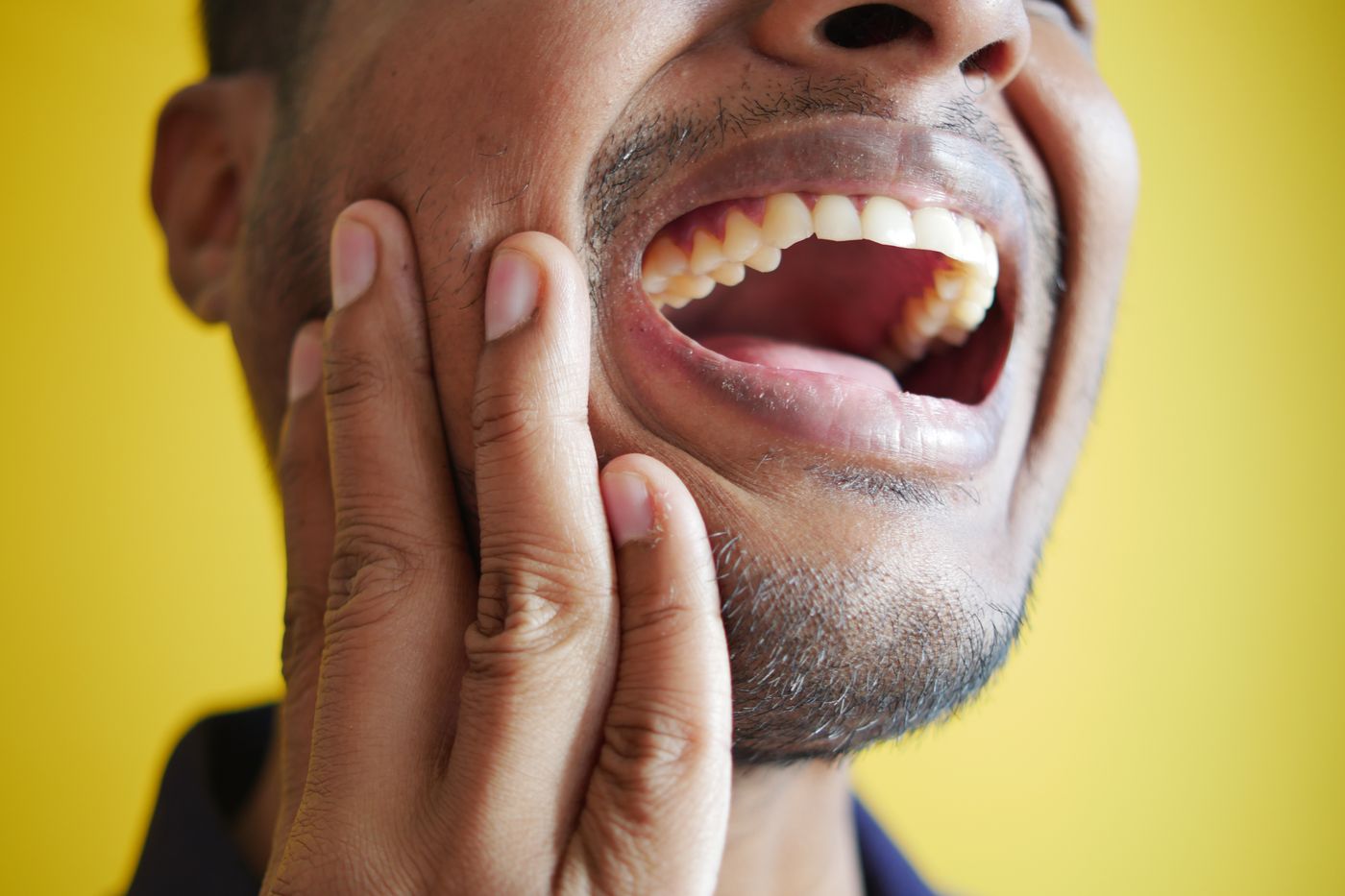
    Throbbing tooth pain that wakes you at night is a red-flag symptom
    Pain that reliably wakes you at night is one of the most reliable indicators that the pulp will not recover on its own.

    How urgent is your symptom?

    Dental symptoms ranked by urgency, and what to do about each
    SymptomUrgencyWhat to do
    Swelling spreading to eye, neck or throat; trouble swallowingEmergency room nowGo to hospital. Airway and infection first, tooth second.
    Facial swelling with feverSame dayCall an endodontist first thing; expect drainage and antibiotics.
    Severe throbbing pain waking you at nightSame dayCall for an urgent appointment. Pain relief comes from treating the pulp.
    Knocked-out or displaced adult toothWithin the hourKeep it moist in milk or saliva — never scrub the root.
    Lingering hot/cold pain over 30 secondsWithin daysBook an assessment before it becomes an emergency.
    Brief sensitivity that fades in secondsRoutineMention it at your next check-up; often reversible.

    Swipe the table sideways to see every column.

    A knocked-out or displaced tooth follows a different protocol entirely — our page on treating traumatic dental injuries covers what to do in the first hour, which largely determines whether the tooth survives.

    What is actually happening inside the tooth

    The pulp sits inside rigid walls of dentine with nowhere to expand. When it becomes inflamed, pressure builds against the nerve with no release, which is why the pain is disproportionate to the size of the problem.

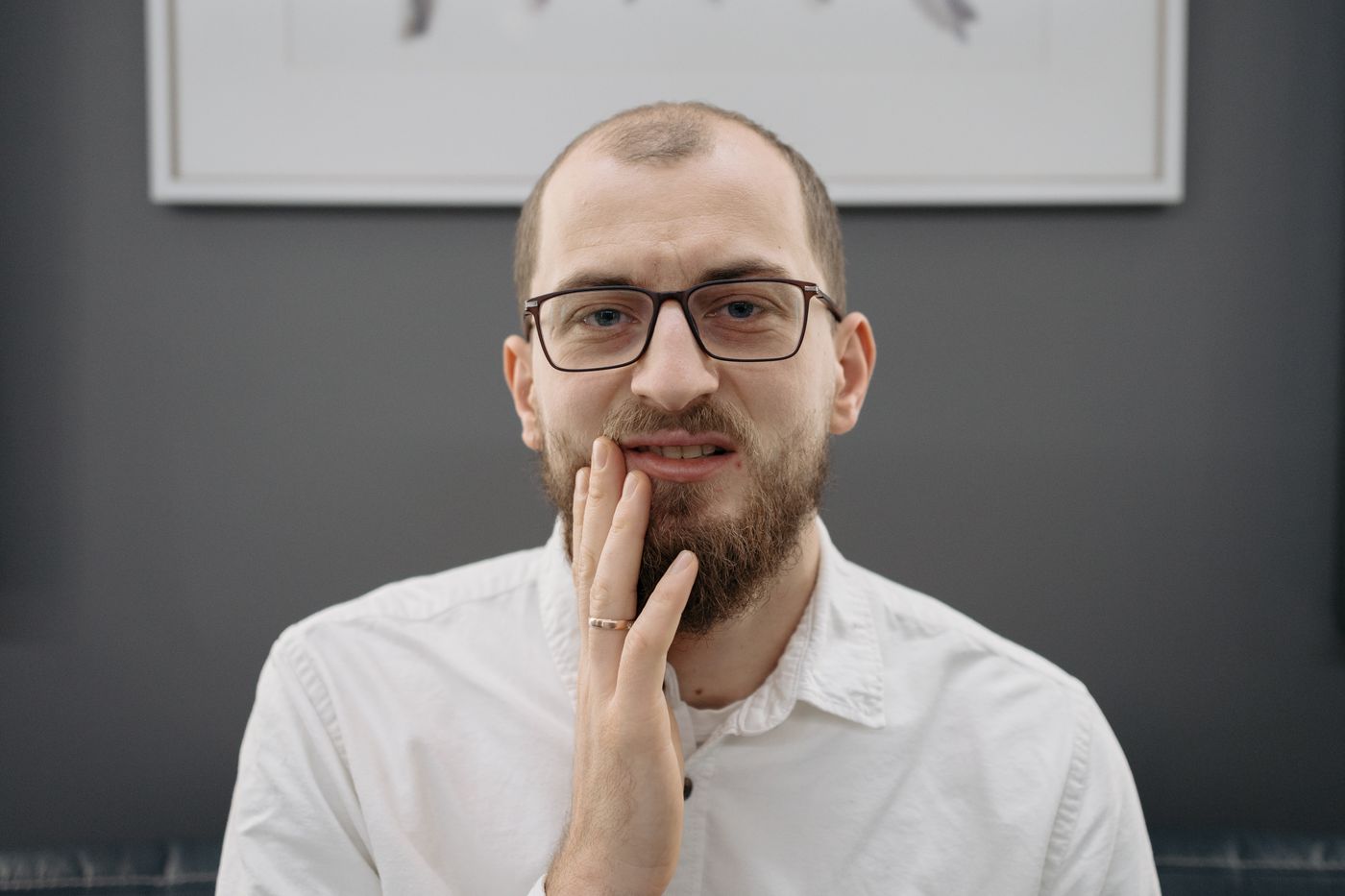
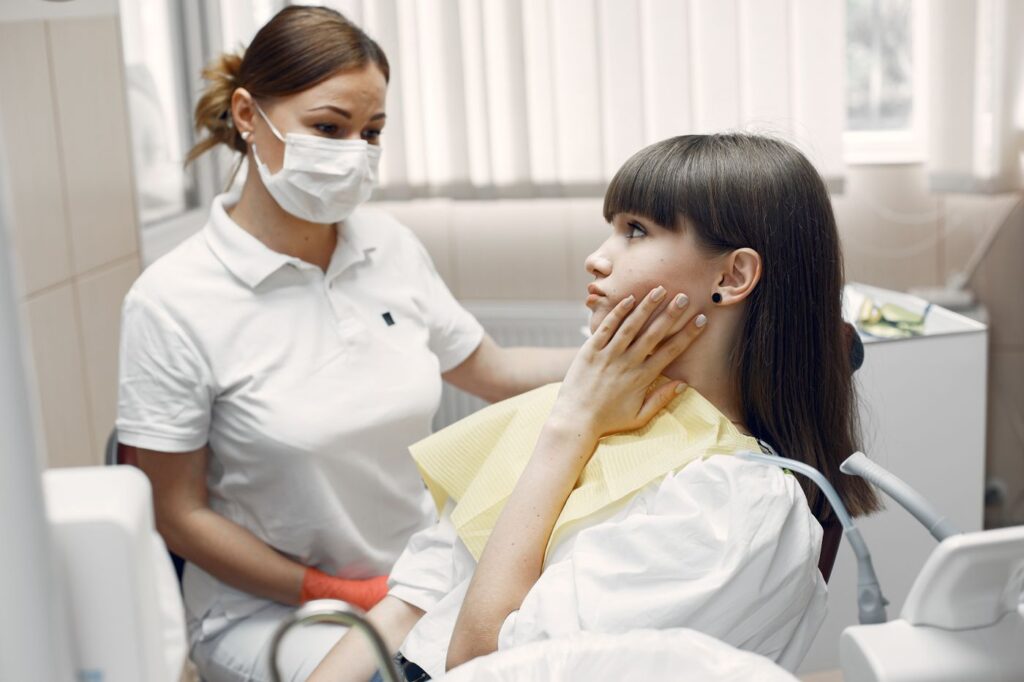
    Facial swelling alongside tooth pain is an emergency warning sign
    Swelling means the infection has left the tooth and entered surrounding tissue — the point at which urgency changes.

    Left alone, the pulp dies and bacteria push out through the root tip into the bone, forming an abscess. That is the stage where swelling appears — and where a manageable problem becomes a spreading one.

    What to do before your appointment

    1. Call for an appointment first — everything else is holding measures.
    2. Take ibuprofen if you can, following the packet, since it targets inflammation rather than only pain.
    3. Sleep propped up on extra pillows to reduce pressure in the head.
    4. Use a cold compress on the outside of the cheek, twenty minutes on and twenty off.
    5. Keep eating on the other side and avoid extremes of temperature.
    A cold compress can ease swelling while you wait for your appointment
    A cold compress against the outside of the cheek reduces swelling; heat does the opposite.
    Home measures for severe tooth pain: what helps and what makes it worse
    MeasureHelps?Why
    Cold compress on the cheekYesReduces swelling and dulls the nerve signal
    Ibuprofen (if suitable for you)YesTargets the inflammation driving the pressure
    Sleeping propped upYesLowers blood pressure in the head at night
    Heat pad on the faceNoIncreases blood flow and can spread infection
    Aspirin held against the gumNoChemically burns the gum tissue; does nothing for the pulp
    Leftover antibioticsNoCannot reach inside the canal and encourages resistance

    Swipe the table sideways to see every column.

    What an emergency appointment involves

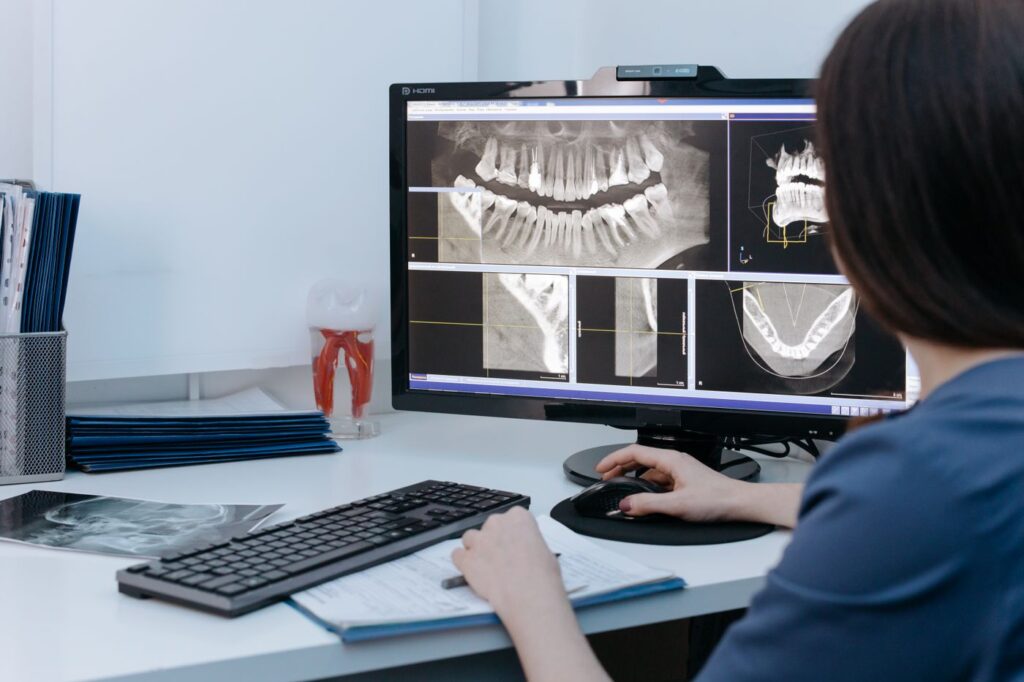
    We test the surrounding teeth first, because pain frequently refers from one tooth to another and treating the wrong one is easy. Focused imaging then shows the state of the root and bone.

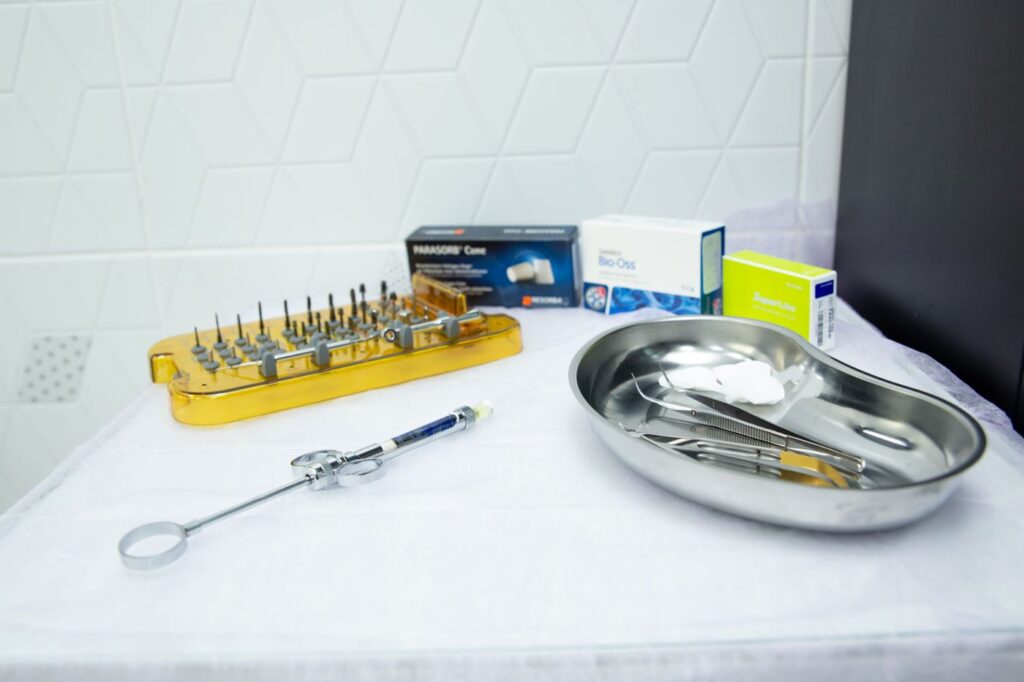
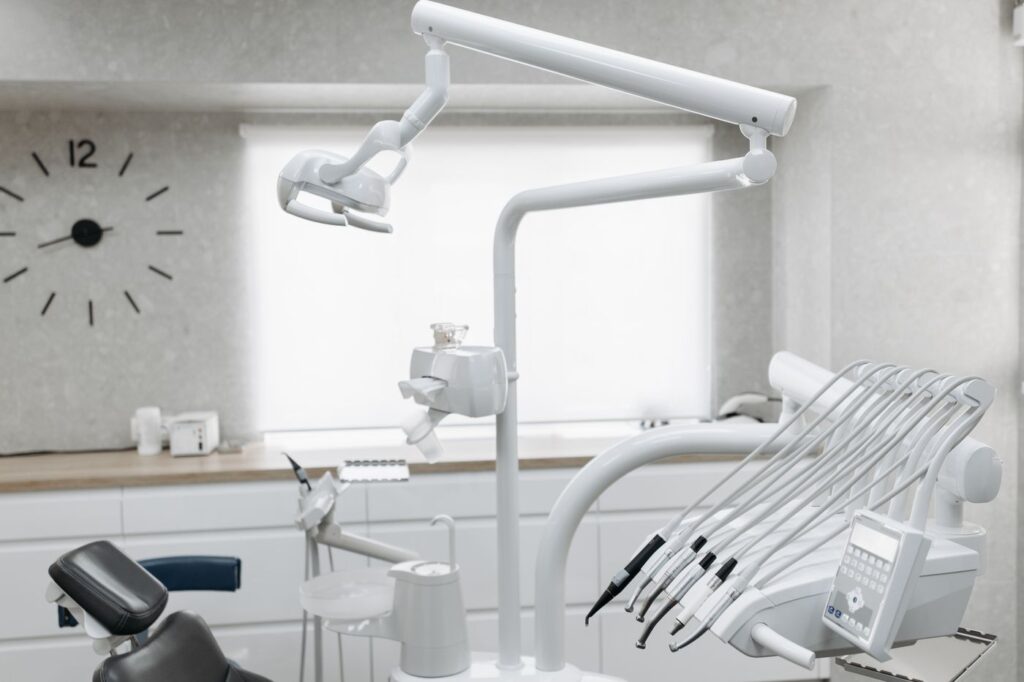
    A treatment room prepared for a same-day emergency root canal
    Same-day treatment starts with identifying which tooth is genuinely responsible — referred pain is common.

    Getting you numb is the priority. An acutely inflamed pulp is harder to anaesthetise, so we use techniques suited to hot teeth — and sedation options for anxious or difficult cases are available, including nitrous oxide for mild sedation.

    Most patients notice relief as soon as pressure is released from the canal. Our after-treatment instructions and recovery FAQ covers the days that follow.

    Getting seen in Charleston

    If you have pain or an emergency, every attempt is made to see you the same day. Call the office as early as you can, and say clearly that you are in acute pain or have swelling, so the call is triaged correctly.

    Calling an endodontist the same morning symptoms turn severe
    Calling early in the day gives the best chance of a same-day slot — urgent capacity fills fast.

    If it is the weekend or after hours, leave a message with your name, the tooth involved and a number you will actually answer — it lets us triage first thing in the morning. Having your referring dentist’s name and any recent X-rays to hand shortens the appointment considerably, and if you have already started antibiotics, bring the packet so we can see the dose and the date you began.

    Southeast Endodontics serves emergency patients across the Charleston area
    Southeast Endodontics treats urgent referrals from across the Charleston area, including West Ashley, James Island and Mount Pleasant.

    You do not need a referral to be seen, though bringing recent X-rays helps. See our Charleston office location and contact details, or how appointment scheduling works. The ADA’s guidance on handling dental emergencies is a useful reference to keep on hand.

    Frequently asked questions

    Can a root canal be done the same day?

    Often, yes. If the diagnosis is clear and the tooth is accessible, treatment can usually start at the same visit. Where there is significant swelling we may drain the infection and start antibiotics first, then complete treatment once it settles.

    Should I go to the ER for tooth pain?

    A hospital can manage swelling, infection and pain, but cannot treat the tooth. Go to the ER for swelling spreading toward the eye or throat, difficulty breathing or swallowing, or a fever above 101°F. For pain alone, an endodontist is the faster route to a fix.

    Why does my tooth hurt more at night?

    Lying flat increases blood pressure in the head, which raises pressure inside an already inflamed pulp. Fewer distractions make it more noticeable too. Pain that reliably wakes you is a classic sign of irreversible pulpitis.

    Will antibiotics clear it up without treatment?

    Antibiotics can reduce swelling and buy time, but they cannot reach bacteria inside the canal system, which has no blood supply left to carry the drug in. Symptoms return once the course finishes unless the tooth is treated.

    Have Questions or Ready to Schedule?

    Our team is here to help — call, email, or request an appointment online.
    About this guide. Written for patients of Southeast Endodontics, PC in Charleston, SC. It is general information, not medical advice — if you are worried about swelling, breathing or a fever, seek care immediately rather than reading further.