A knocked-out tooth is obviously an emergency. A tooth that is merely loose, pushed slightly out of line, or chipped is the injury people talk themselves out of getting checked — and it is the one that quietly goes wrong months later.
Seek care today if a tooth is visibly displaced, loose enough to move when you touch it, or the chip exposes a pink or red spot in the middle of the tooth.
Go to hospital first if there was loss of consciousness, a suspected jaw fracture, or an injury needing medical attention. The tooth can be dealt with afterwards.
Key takeaways
- A loose or displaced tooth should be repositioned and splinted, ideally the same day.
- Splinting is short and flexible — about two weeks for subluxation, four for luxation.
- A chip exposing yellow dentine or a pink spot needs treating within hours, not days.
- The pulp can die quietly months later, which is why follow-up runs for a year.
The injuries, and how each is handled
| Injury | What you notice | Usual treatment |
|---|---|---|
| Concussion | Tender to touch, not loose | Monitoring; soft diet |
| Subluxation | Loose but not moved out of position | Flexible splint about 2 weeks |
| Extrusive luxation | Tooth looks longer, feels high on biting | Repositioned, splinted around 4 weeks |
| Lateral luxation | Pushed sideways, often locked in place | Repositioned, splinted around 4 weeks |
| Intrusive luxation | Driven up into the socket, looks shorter | Depends on root maturity; often needs specialist care |
| Enamel chip | Rough edge, no colour change | Smoothing or bonding, not urgent |
| Chip exposing dentine or pulp | Yellow area, or a pink or red spot | Same-day protection of the pulp |
Swipe the table sideways to see every column.
Why a loose tooth matters even without pain
The periodontal ligament suspends each tooth in its socket. An impact tears some of those fibres, and the tooth loosens.
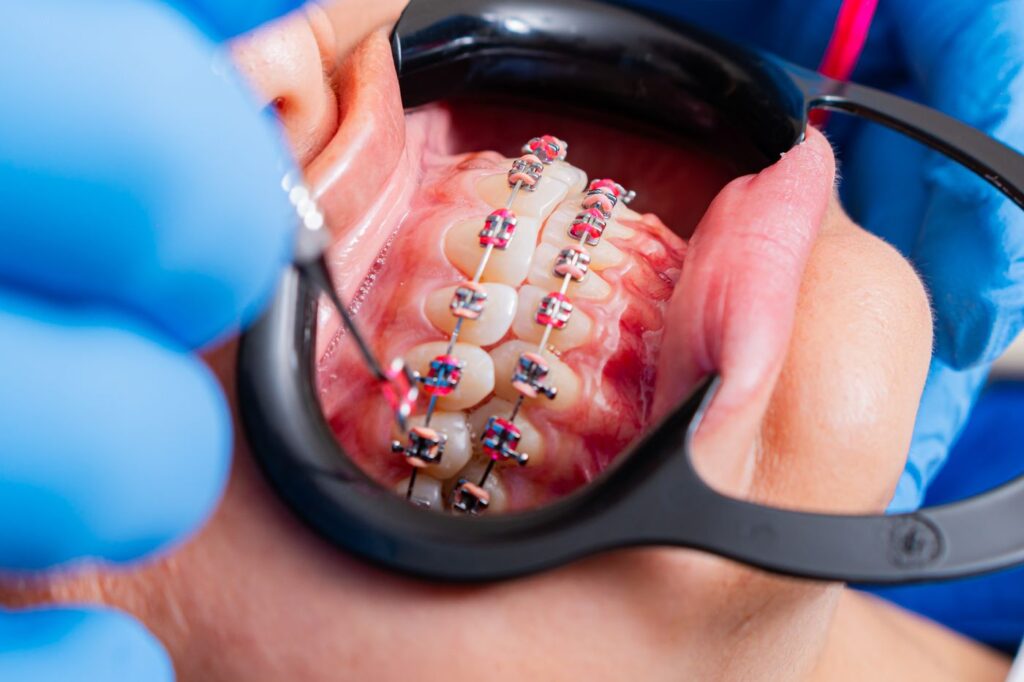
Left unsupported, it moves during healing and the ligament reattaches poorly. Worse, the blood vessels entering the root tip may have been stretched or severed — which the tooth will not tell you about for weeks.
A splint is a thin wire or composite bonded to the injured tooth and the sound teeth either side. Deliberately flexible: some physiological movement encourages normal ligament healing, whereas rigid fixation for too long risks the tooth fusing to bone.
Reading a chipped tooth
Size is a poor guide. What matters is which layer is exposed.
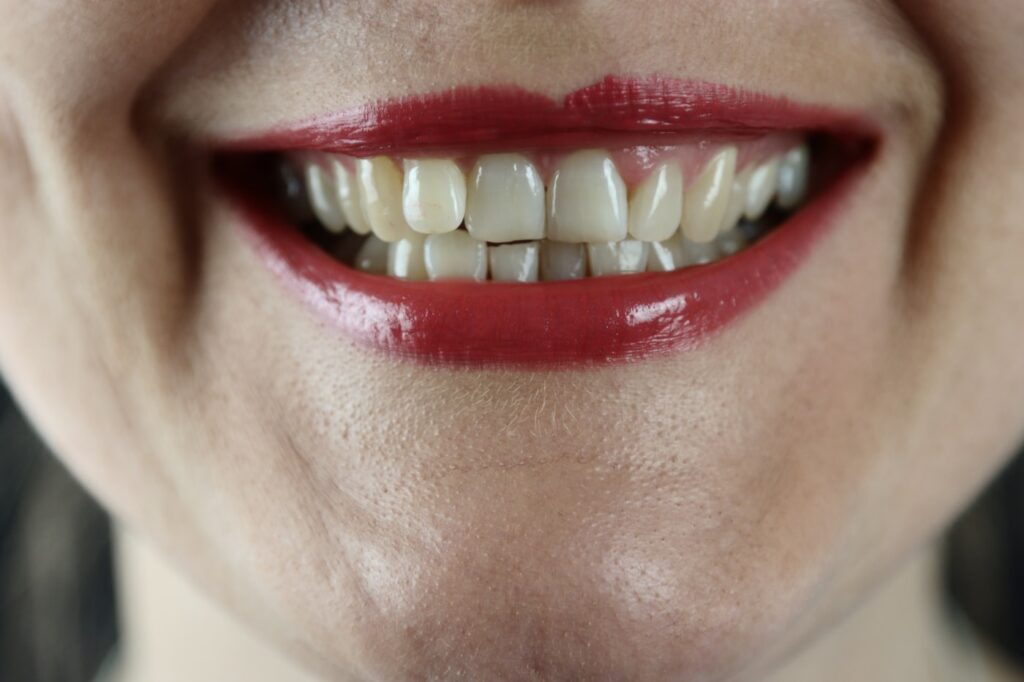
- Enamel only — a rough edge, uniform colour. Cosmetic; bond or smooth it at your convenience.
- Into dentine — a distinctly yellower area. Sensitive to air and cold, and needs covering within a day or two because dentine tubules lead to the pulp.
- Pulp exposed — a pink or red dot, possibly bleeding. Same-day treatment. In a young tooth, prompt care can keep the pulp alive.
Keep any fragment in milk and bring it — it can often be bonded back. If the tooth was also loosened, both problems need addressing at the same visit.
Why the pulp can fail months later
This is the part patients find hardest to accept when the tooth feels fine. Trauma stretches the vessels entering the root tip; they may recover, or thrombose and cut off the blood supply.
If the pulp dies, it does so without symptoms in many cases. The first sign is often the tooth darkening — see why a tooth turns dark — or an abscess appearing at the root tip long after the accident is forgotten.
What to do in the first hour
Do not try to push a displaced tooth back into position yourself. Unlike a knocked-out tooth, where immediate replanting genuinely helps, a luxated tooth is still attached and forcing it risks further damage to the ligament and the bone around it.
Instead: bite gently on clean gauze to steady it, use a cold compress on the outside of the face for the swelling, take ibuprofen if it suits you, and eat nothing that needs chewing until you have been seen.
If a fragment broke off, keep it moist in milk and bring it. Reattaching the patient’s own fragment gives a better colour and translucency match than any composite, and it is often still possible hours later.
Photograph the injury before anything is treated if you can. It is genuinely useful for insurance, and for comparison at the follow-up appointments.
The follow-up schedule, and why it is that long
| When | What we check | Why then |
|---|---|---|
| 2 weeks | Splint, pulp response, healing | Splint removal for subluxation |
| 4 weeks | Pulp testing, mobility | Splint removal for luxation injuries |
| 8 weeks | Pulp vitality, early resorption | Necrosis often first detectable here |
| 6 months | Vitality, root development in children | Late necrosis and resorption |
| 1 year | Radiographic review | Confirms stable long-term healing |
Swipe the table sideways to see every column.
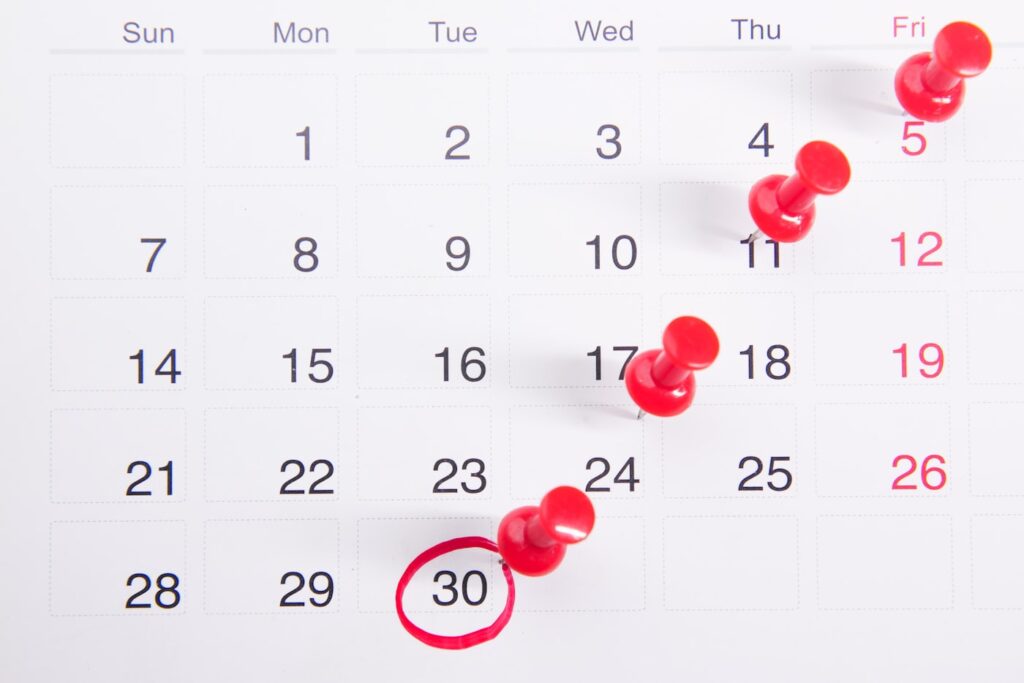
If the pulp does die, root canal treatment resolves it, and in an immature tooth the approach differs — see endodontics in children. Our traumatic injuries page covers the wider clinical picture.
What recovery usually looks like
Expect the tooth to feel tender to bite on for a week or two after splinting, and slightly loose for a while after the splint comes off. Both settle.
Eat soft food while splinted, keep the area meticulously clean, and avoid contact sport until you are discharged. Most displaced teeth recover fully when they are repositioned early and reviewed properly.
Prevention, since most of these are preventable
A properly fitted mouthguard prevents the majority of sports-related dental injuries, including the displacements described here, and costs a fraction of treating one.
Cleveland Clinic’s overview of tooth luxation is a useful independent reference on the injury types above.

Frequently asked questions
My tooth is loose after a knock but does not hurt. Do I still need to be seen?
Yes, and soon. Mobility means the ligament holding the tooth has been damaged, and a tooth that stabilises on its own can still lose its pulp quietly over the following months. Splinting early gives it the best chance.
How long does a splint stay on?
It depends on the injury. Around two weeks for a subluxation, roughly four weeks for extrusive or lateral luxation. Longer is not better — prolonged rigid splinting increases the risk of the tooth fusing to the bone.
I chipped a tooth and it looks fine. Can I leave it?
If the chip is confined to enamel, it is cosmetic and not urgent. If you can see yellow dentine, or a pink or red spot in the middle, the pulp is exposed or close to it and that needs treating within hours.
Why do I need follow-ups for a year?
Because pulp necrosis after trauma frequently appears late. Reviews at two weeks, four weeks, eight weeks, six months and a year catch a dying pulp before it becomes an abscess.
Have Questions or Ready to Schedule?
Our team is here to help — call, email, or request an appointment online.