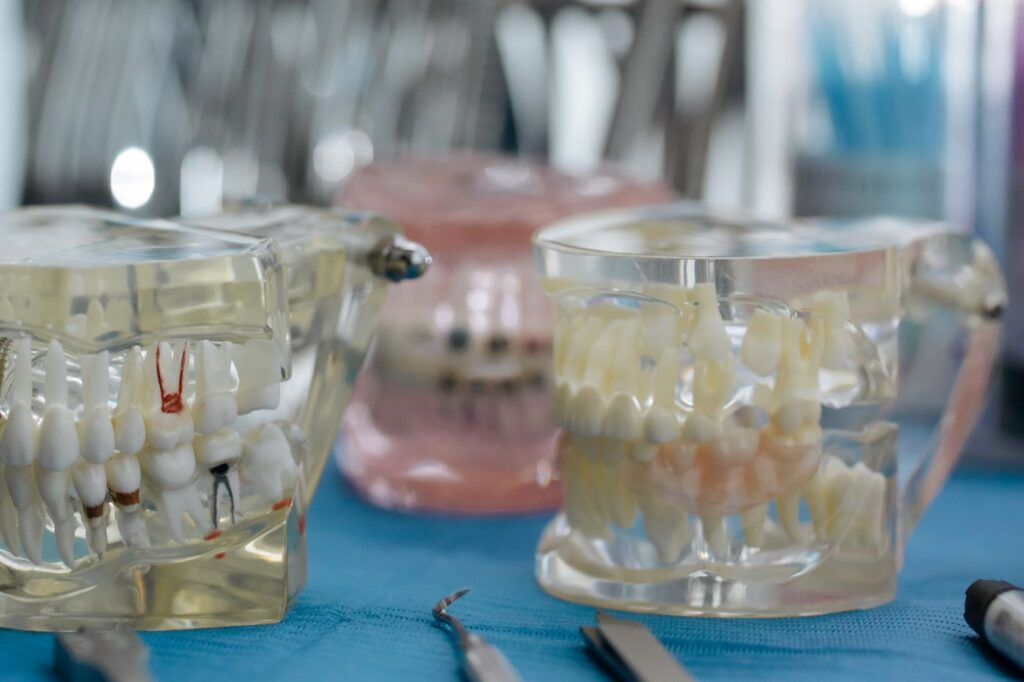
Pain on biting is one of the more useful symptoms you can bring to a dentist, because the exact way it behaves narrows the diagnosis faster than almost anything else.
Whether it hurts pressing down or letting go, whether it is one tooth or several, and whether it started after dental work all point in different directions. Here is how to read it.
Key takeaways
- Pain on releasing a bite suggests a crack; pain on pressing down suggests the ligament.
- Bite pain starting days after a filling usually means the restoration is fractionally high.
- An inflamed ligament makes a tooth tender with nothing visible on an X-ray.
- Clenching produces the same symptom with no decay, crack or infection at all.
What the timing tells you
Pay attention to the exact moment it hurts. Patients often describe this precisely once asked, and it is genuinely diagnostic.
| When it hurts | Most likely cause | What usually fixes it |
|---|---|---|
| On releasing the bite | A crack flexing open and snapping shut | Crown; root canal first if the pulp is involved |
| On pressing down, dull and constant | Inflamed ligament at the root tip | Root canal treatment or retreatment |
| Only since a recent filling | Restoration fractionally too high | A minute of bite adjustment |
| On hard food only | Early crack, or a worn cusp | Assessment; often a crown |
| Several teeth, worse in the morning | Clenching or grinding | A night guard and stress management |
| With swelling or a gum bump | Infection at the root tip | Same-day drainage and treatment |
Swipe the table sideways to see every column.
Pain on release: the classic crack
This is the pattern worth learning. Chewing something firm produces a jolt not while you bite but as you let go — the crack closes and momentarily pinches the pulp.

It is often intermittent, food-dependent and hard to localise, which is why people put up with it for months. Cracks propagate under load, so a tooth that needs only a crown now may need considerably more later — which cracked teeth can be saved covers the five types and their prognosis.
Pain on pressure: the ligament
Each tooth is suspended in its socket by the periodontal ligament. When infection or inflammation from inside the tooth reaches the root tip, that ligament becomes inflamed and exquisitely pressure-sensitive.
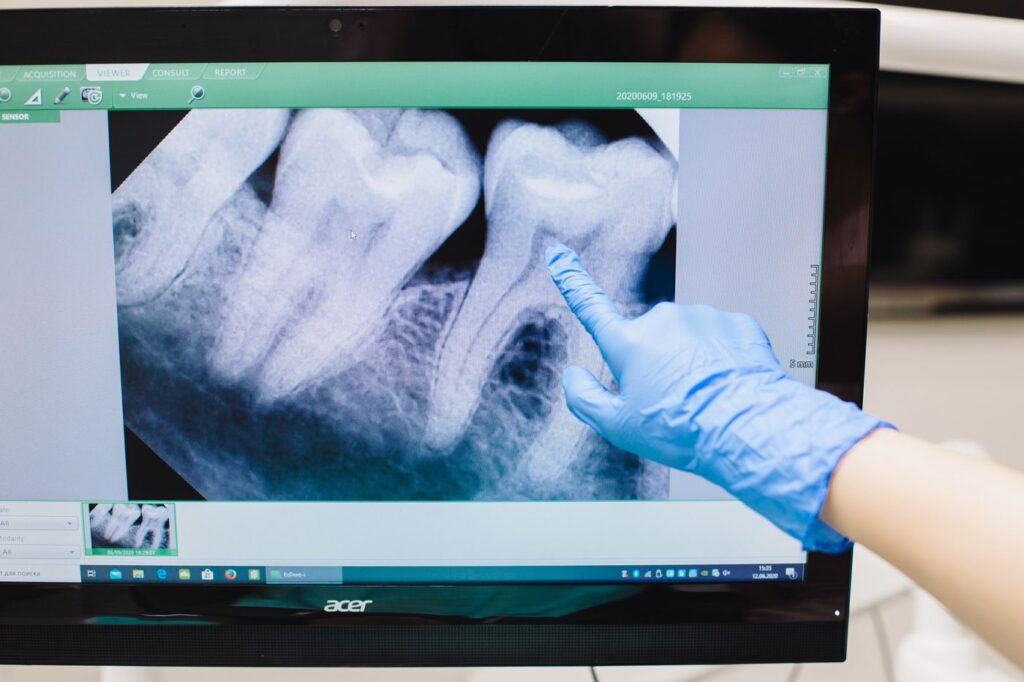
The result is a dull, constant tenderness — the tooth may feel raised, as though it is hitting first. This is the pattern most often associated with a dying or dead pulp, and it can appear before anything shows on a radiograph. It also occurs after root canal treatment as normal healing, which our recovery guide covers.
Pain that started after dental work
This is the easiest cause to fix and the one people most often endure unnecessarily. A new filling or crown that sits slightly proud means that tooth contacts first, every time.
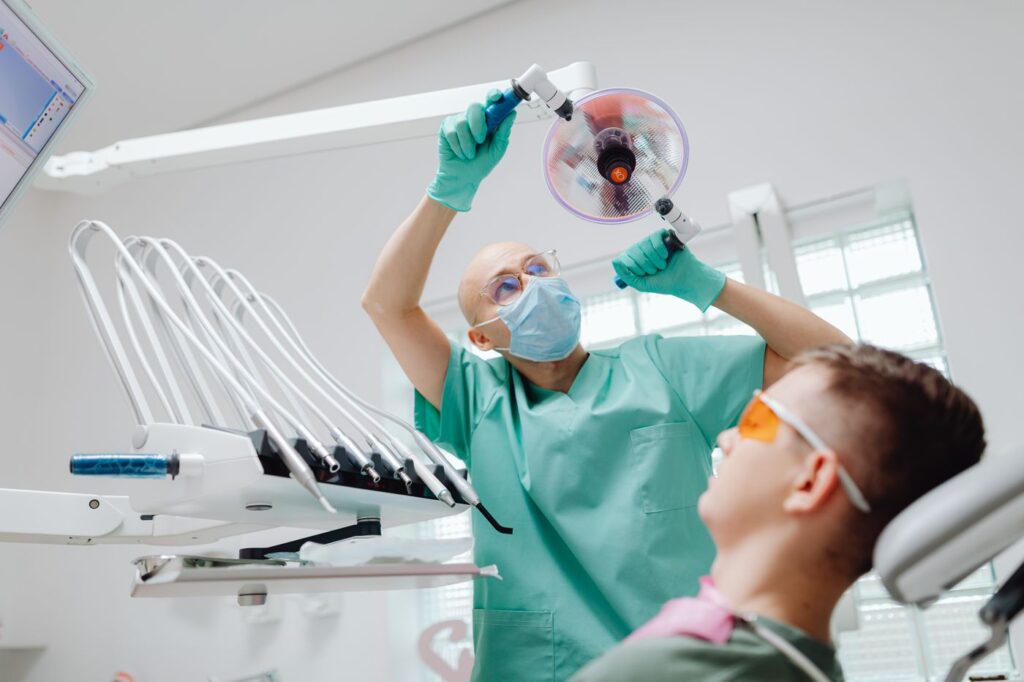
The ligament becomes bruised from the constant overload, and the tooth feels sore to bite on. Adjustment takes a minute or two, and if the pain resolves within days afterwards, that confirms the diagnosis. It is worth ringing whoever placed the restoration rather than waiting it out.
When it is clenching, not the tooth
If several teeth are tender, the pain is worse in the morning, and your jaw muscles ache, the cause may not be in any tooth at all.
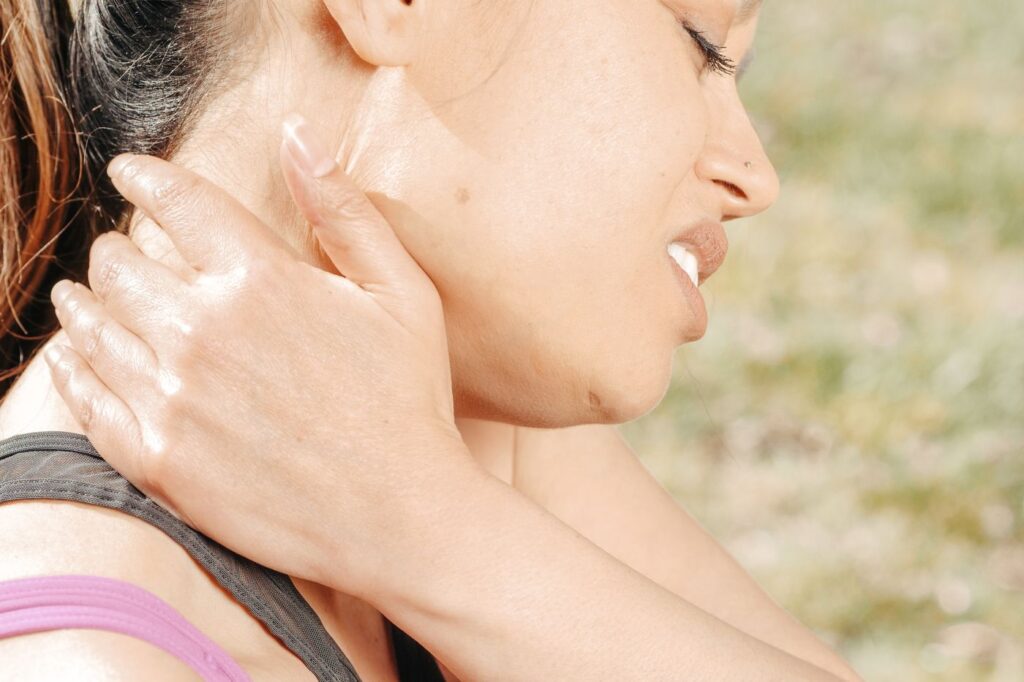
Sustained clenching overloads the ligaments of multiple teeth at once. Nothing shows on a radiograph because nothing is wrong with the teeth — see how grinding damages teeth for what to do about it.
How it is diagnosed
The central test is simple: you bite on a small plastic wedge placed on one cusp at a time. A crack usually produces pain on one cusp specifically, and on release rather than pressure.
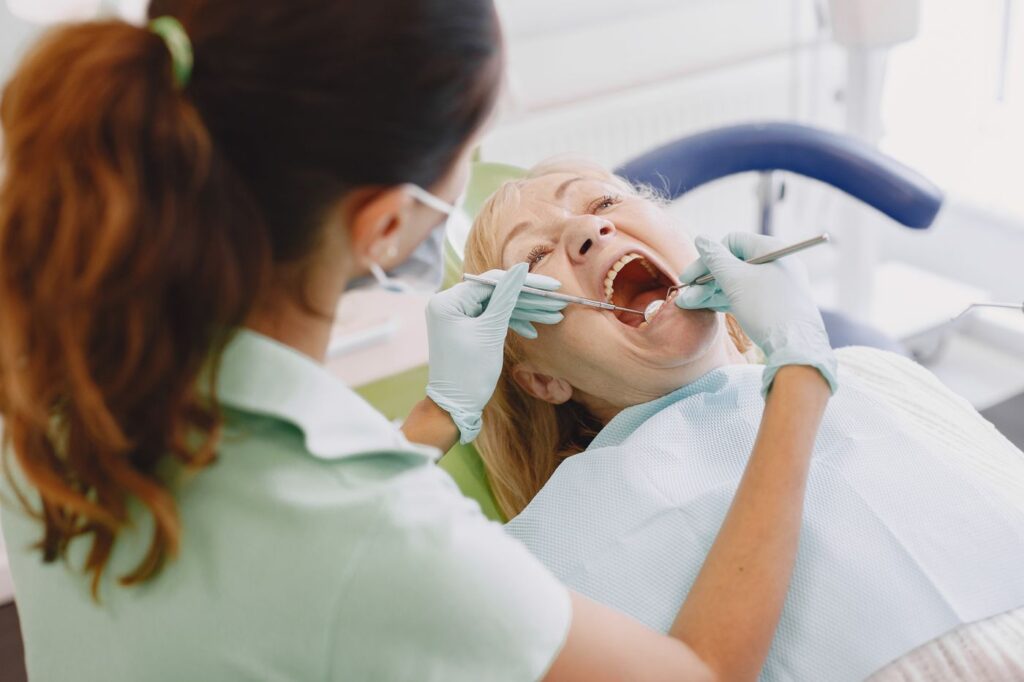
Percussion testing — light tapping — identifies ligament inflammation, and cold testing establishes whether the pulp is alive. Together these separate the causes above in a few minutes. Our guide to what temperature sensitivity means covers the pulp side.
What happens at the appointment
Diagnosis of bite pain is mostly clinical rather than radiographic, which surprises people expecting an X-ray to settle it.
| Test | What it involves | What it tells us |
|---|---|---|
| Bite stick, cusp by cusp | Biting a small plastic wedge on each cusp in turn | Localises a crack to one cusp, and whether pain is on release |
| Percussion | Light tapping on the tooth | Inflammation of the ligament at the root tip |
| Palpation | Pressing the gum over the root | Infection spreading into surrounding bone |
| Cold testing | Cold applied briefly to the tooth | Whether the pulp is alive, and how it reacts |
| Transillumination | Light shone through the tooth | A crack interrupts the glow |
| Radiograph | Standard or 3D imaging | Bone changes; most cracks do not show at all |
Swipe the table sideways to see every column.
That last row is worth absorbing. A normal-looking X-ray does not rule out a crack or early ligament inflammation, and being told the film looks fine is not the same as being told nothing is wrong.
When to be seen quickly
Bite pain on its own justifies an appointment within days rather than hours. Cracks worsen under load and an inflamed ligament rarely settles unaided.

Move faster if there is facial swelling, fever, a bump on the gum, or pain that wakes you — those indicate infection reaching the bone, covered in our abscess guide and the emergency symptom list.
If a tooth has been sore to bite on for more than a week or two, an assessment is worth having — see what a consultation involves. The Merck Manual’s entry on pulpitis covers the underlying condition clinically.
Frequently asked questions
My tooth only hurts when I let go of a bite. What does that mean?
That specific pattern points to a crack. Biting wedges the crack open; releasing lets it snap shut and pinches the pulp inside for a fraction of a second. It is the most characteristic symptom in dentistry.
I had a filling last week and now it hurts to bite. Is that normal?
Briefly, yes — but not for long. If it persists beyond a few days, the filling is probably fractionally high and taking your bite force first. Adjusting it takes minutes and the relief is usually immediate.
Can I have pain on biting with no decay and no crack?
Yes. An inflamed ligament around the root tip does exactly this, and so does clenching. Both make a tooth tender to pressure without anything visible on an X-ray at first.
How urgent is it?
Depends on what comes with it. Pain on biting alone warrants an appointment within days. Add swelling, fever, or pain that wakes you and it becomes same-day.
Have Questions or Ready to Schedule?
Our team is here to help — call, email, or request an appointment online.