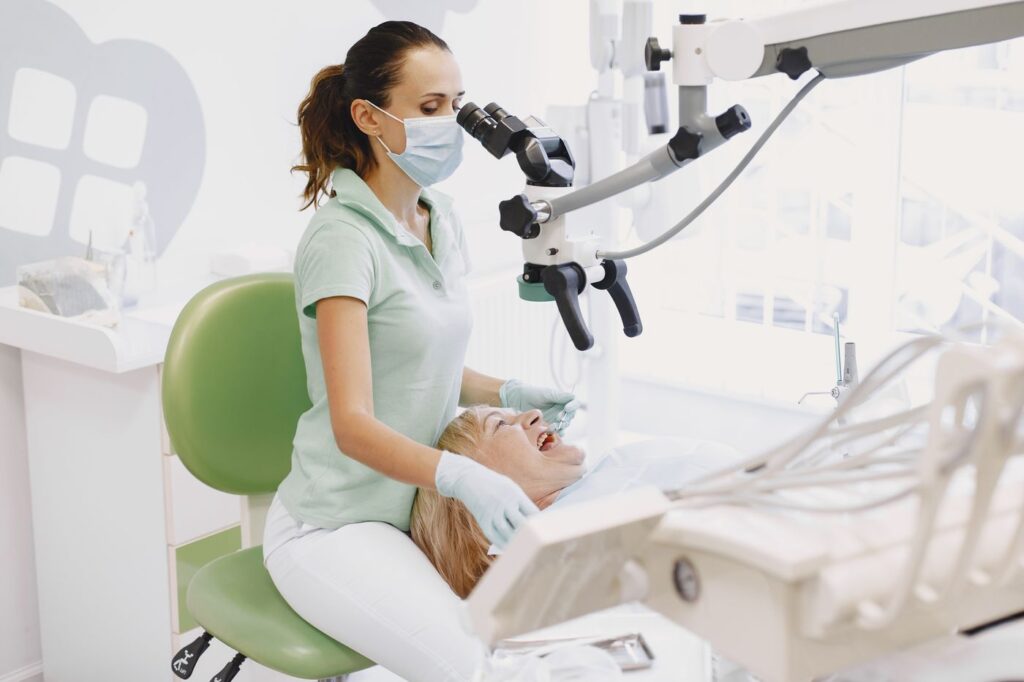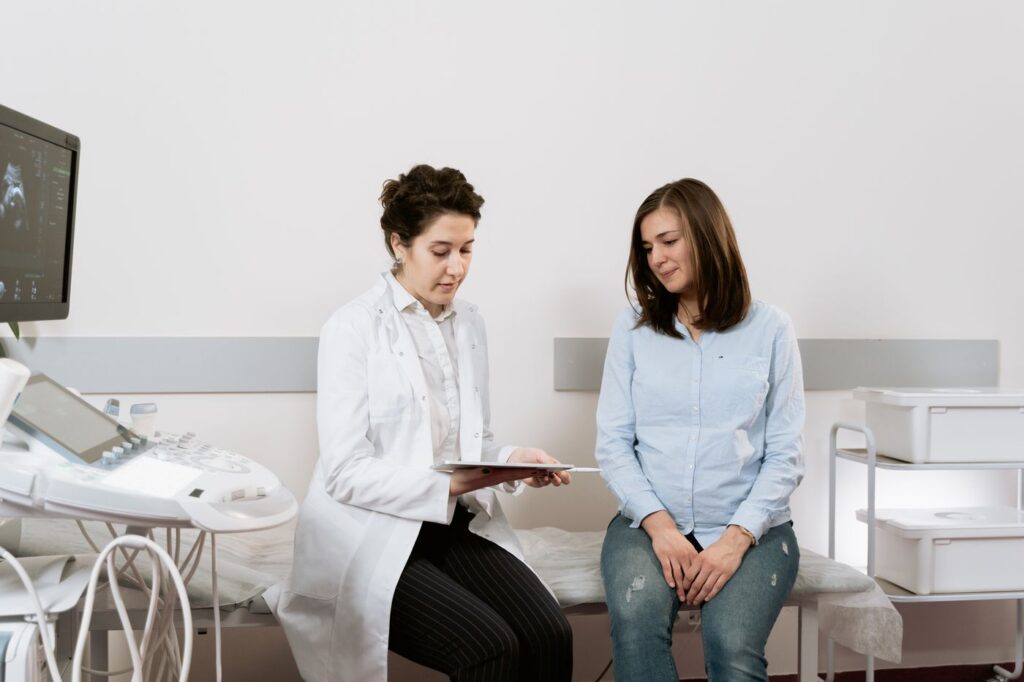
Being told you need a root canal while pregnant sets off an entirely reasonable set of worries about anaesthetic, X-rays and timing. The short answer is that treatment is safe — and that delaying an infection is the genuinely risky option.
Here is what the professional guidance actually says, how we adapt the appointment, and the one situation where waiting is reasonable.
Key takeaways
- The ADA and ACOG both support necessary dental treatment during pregnancy.
- The second trimester is the comfortable window for anything that can be planned.
- Dental X-rays with shielding deliver an extremely small dose.
- An untreated infection is a systemic risk to you, which makes it a risk to the pregnancy.
Why treating is safer than waiting
The instinct to postpone everything until after delivery is understandable, and for elective work it is often right. An active dental infection is not elective work.

An infected tooth is a source of bacteria and inflammation that does not stay local — it can spread into the tissues of the face and neck, and it brings pain, disrupted sleep and difficulty eating with it. None of that is neutral during pregnancy. Both ACOG and the ADA are explicit that treatment for teeth needing prompt attention should not be delayed.
Timing, when there is a choice
| Stage | Planned treatment | Why |
|---|---|---|
| First trimester | Defer if it can safely wait | Organ development; nausea often at its worst |
| Second trimester | Ideal window | Organ development complete, lying back still comfortable |
| Third trimester | Possible, with adjustments | Lying flat becomes uncomfortable; shorter visits |
| Any trimester | Active infection or severe pain | Treat now — delay is the greater risk |
Swipe the table sideways to see every column.

If you have facial swelling, fever, or pain that is keeping you awake, none of the above applies — that is same-day care regardless of stage. Our emergency guide covers what counts.
X-rays: the question we get most
Dental radiographs are among the lowest-dose imaging in medicine, and the beam is directed at the jaw rather than the abdomen. With a lead apron and thyroid collar, exposure to the uterus is negligible.
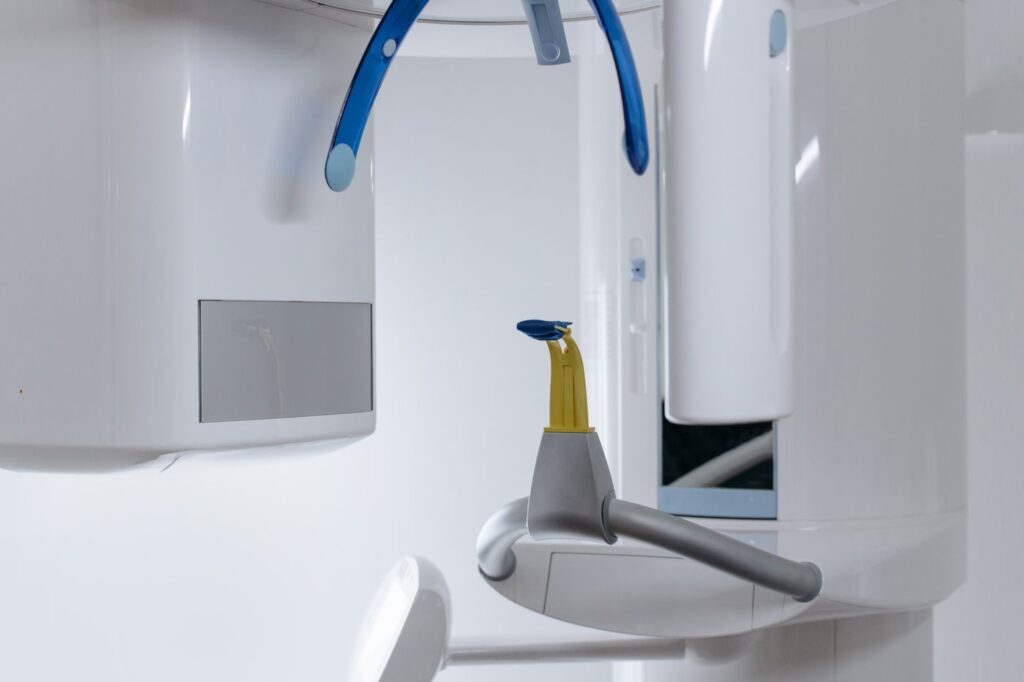
The alternative is worse. Treating a root canal without seeing the root anatomy is how canals get missed, which is how treatment fails — see why root canals fail. We take the minimum needed, not a routine full series.
Anaesthetic and medication
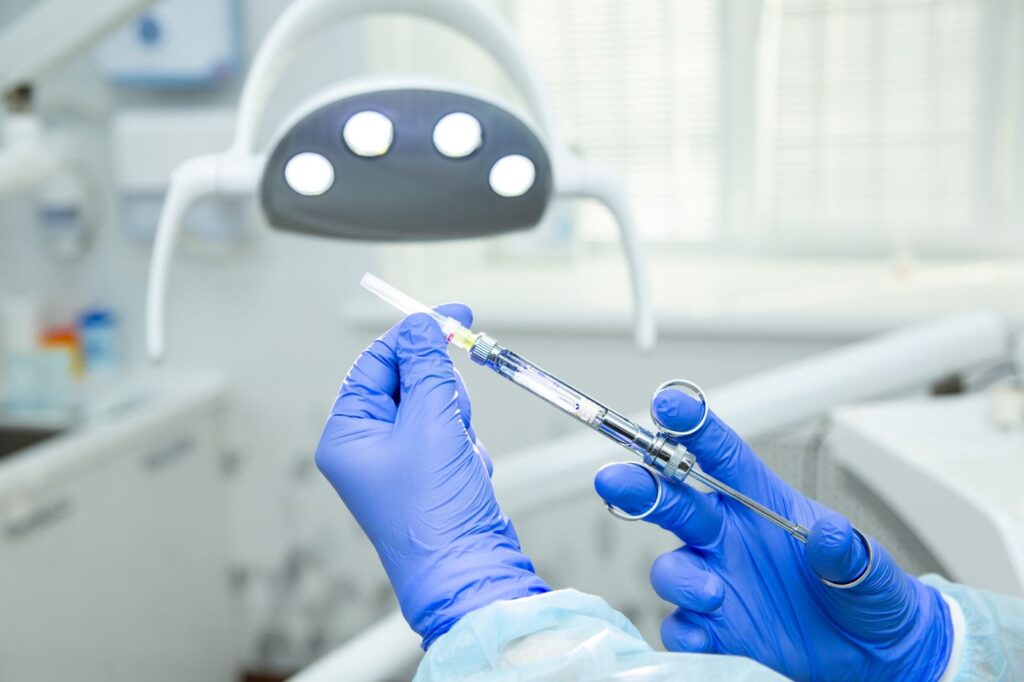
Local anaesthetic is not only safe but important. Adequate numbing means less pain and less stress, both of which matter more during pregnancy, not less.
| Item | Usual position | Note |
|---|---|---|
| Local anaesthetic (lidocaine) | Used as normal | Well established at standard dental doses |
| Paracetamol / acetaminophen | First-line for pain | Preferred analgesic in pregnancy |
| Ibuprofen and other NSAIDs | Generally avoided | Particularly in the third trimester — ask your obstetrician |
| Antibiotics, if needed | Selected carefully | Several are routinely used; some are avoided |
| Nitrous oxide sedation | Usually deferred | We would normally avoid it and manage anxiety differently |
Swipe the table sideways to see every column.
That table is a guide, not a prescription. Tell us what you are already taking and who is looking after your pregnancy, and we work within their advice — our page on managing dental anxiety covers the non-drug approaches, which matter more here than usual.
How the appointment itself changes
Practical adjustments do most of the work. Later in pregnancy, lying flat can compress the vena cava and make you feel faint, so we tilt the chair slightly to the left and support you with a cushion.

We also keep appointments shorter, build in breaks, and schedule for the time of day your nausea is least troublesome. None of this is complicated — it simply needs knowing in advance, so tell us when you book rather than on the day.
Why dental problems surface during pregnancy
It is not coincidence that so many people meet their first serious dental problem while pregnant.
Hormonal change makes gums more reactive to plaque, producing the swelling and bleeding known as pregnancy gingivitis in a large proportion of pregnancies. Morning sickness adds stomach acid to the enamel, and cravings often mean more frequent snacking. None of that causes a root canal on its own, but together they accelerate problems that were already developing.
One practical tip: after vomiting, rinse with water or a fluoride mouthwash rather than brushing immediately. Enamel is temporarily softened by the acid, and brushing straight away scrubs some of it away.
Coordinating with your obstetrician
For a straightforward root canal in an uncomplicated pregnancy, no clearance is needed. Where there are complications — a high-risk pregnancy, medication that affects bleeding, or an existing condition — we speak to your obstetrician first.

That is a short conversation, not a delay. Bring their contact details to the appointment and we will handle it.
What we will not do
Being clear about the limits is as useful as listing what is safe.
Elective work waits. Whitening, cosmetic treatment and anything that can comfortably be scheduled after delivery is scheduled after delivery, because there is no reason to accept even a small unknown for a benefit that can wait a few months.
We also avoid routine screening radiographs during pregnancy. Imaging is taken because a specific tooth needs treating and we cannot treat it safely without seeing the anatomy — never as part of a general check.
And we will not rush you. If you would rather take a day to speak to your obstetrician before agreeing to treatment, that is entirely reasonable for anything short of an active spreading infection.
If you are trying to conceive or breastfeeding
Before conceiving, it is worth clearing outstanding dental work — it is far easier to complete a course of treatment before pregnancy than midway through it.
Afterwards, breastfeeding is not a barrier. Local anaesthetic and the antibiotics commonly used in dentistry are compatible with breastfeeding; tell us and we will confirm the specific choices with your doctor if needed.
If you need treatment now, what to expect at a first visit covers the appointment, and the ADA’s guidance on oral health in pregnancy is a useful independent reference.
Frequently asked questions
Is a root canal safe during pregnancy?
Yes. The ADA and ACOG both hold that necessary dental treatment, including root canal treatment, can be carried out safely during pregnancy. Leaving an active infection untreated carries the greater risk.
Which trimester is best?
The second, for planned treatment — organ development is complete and lying back is still comfortable. But an infection should not wait for a convenient trimester.
Are dental X-rays safe while pregnant?
With a lead apron and thyroid collar, yes. The dose from dental imaging is extremely small, and we take only what is needed to treat the tooth safely.
What about the numbing injection?
Lidocaine at standard dental doses is well established in pregnancy and is what we use. Tell us you are pregnant and how far along so we can plan accordingly.
Have Questions or Ready to Schedule?
Our team is here to help — call, email, or request an appointment online.