
A course of antibiotics, a few days of relief, and then it comes back. That cycle is the most common story we hear about dental abscesses, and it is not bad luck — it is what happens when the source is never removed.
Seek emergency care now if swelling is spreading toward your eye or down your neck, you have difficulty breathing or swallowing, you cannot open your mouth, or you have a fever with facial swelling.
Dental infections can spread into the tissue spaces of the face and neck. That is a hospital problem, not a wait-until-Monday problem.
Key takeaways
- An abscess is a walled-off pocket of pus. Antibiotics struggle to penetrate it.
- Antibiotics alone reliably produce temporary relief and reliable recurrence.
- Resolution needs the source removed — root canal treatment or extraction — and drainage.
- Pain stopping usually means the pressure found a way out, not that the infection cleared.
What an abscess actually is
When bacteria reach the pulp inside a tooth and it dies, the infection works out through the tip of the root into the surrounding bone. Your immune system walls the area off, and pus collects inside that boundary.
That wall is the problem. It contains the infection, which is useful, but it also blocks antibiotics from reaching the bacteria inside — and the low pH within an abscess reduces how well several antibiotics work even when they do get there.
How bacteria got in
An abscess is always secondary to something. Deep decay is the commonest route, giving bacteria a path through enamel and dentine into the pulp chamber.
A crack does the same job faster, letting bacteria into the pulp long before the tooth looks damaged — our guide to the five crack types covers how far each one travels. Trauma is a third route: a knock that severs the blood supply can kill a pulp silently, with the abscess appearing months or even years later.
Which of these caused it matters, because it changes the prognosis. Decay and a quietly dead pulp are straightforward to treat. A crack extending below the gumline may mean the tooth cannot be saved however well the infection clears.
Why antibiotics alone do not fix it
The infection lives inside a root canal system that no longer has a blood supply. Antibiotics travel in blood, so they simply cannot get to the bacteria at the source.

What they can do is reduce the surrounding infection and stop it spreading, which is genuinely valuable when there is swelling. That is why we prescribe them alongside treatment rather than instead of it.
| Approach | Reduces swelling | Removes the source | Outcome |
|---|---|---|---|
| Antibiotics alone | Yes | No | Relief for days to weeks, then recurrence |
| Drainage alone | Yes | No | Faster relief, still recurs |
| Root canal treatment | Yes | Yes | Resolves; tooth kept |
| Extraction | Yes | Yes | Resolves; tooth lost |
| Waiting it out | No | No | Spreads; risks becoming an emergency |
Swipe the table sideways to see every column.
The signs, and how urgent each one is
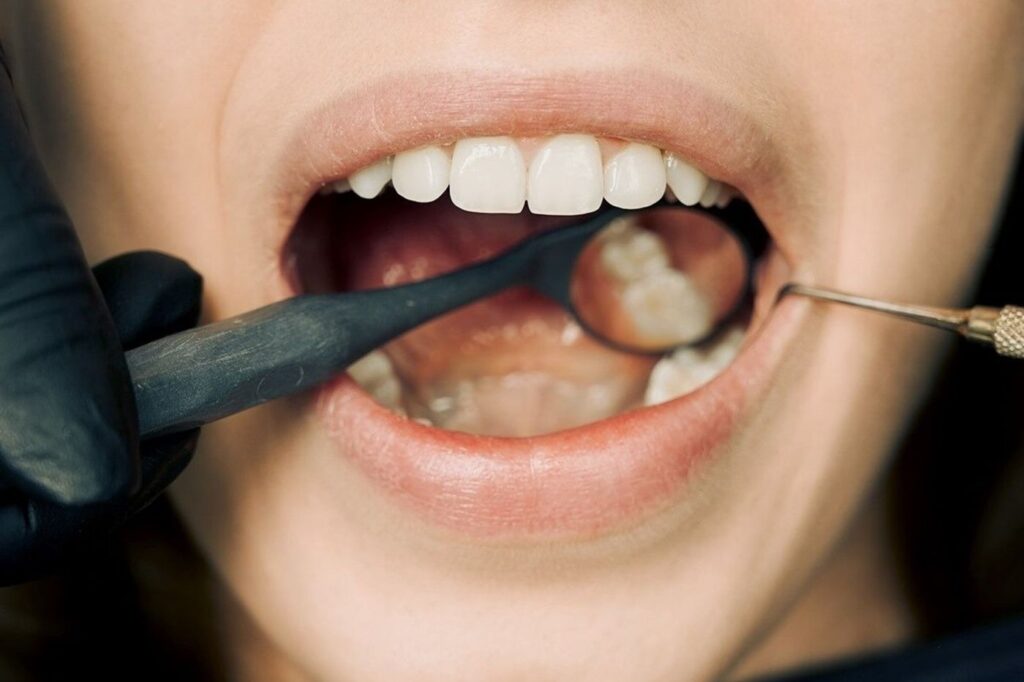
A gum boil that appears, drains and disappears is the version people ignore longest, because it barely hurts. It is still an active infection.
| What you have | How urgent | Why |
|---|---|---|
| Spreading swelling, trouble swallowing or breathing | Emergency room now | Infection is tracking into the neck or face |
| Facial swelling with fever | Same day | Needs drainage and antibiotics immediately |
| Severe throbbing, tooth tender to touch | Same day | Pressure is building with nowhere to go |
| Gum boil that drains and returns | Within days | Chronic infection; painless but progressive |
| Bad taste, tooth feels raised | Within days | Early signs of pressure at the root tip |
| Dark tooth, no symptoms | Routine assessment | Pulp may have died silently years ago |
Swipe the table sideways to see every column.

If you are already at that stage, our guide to endodontic emergencies covers what to do in the hours before you are seen.
How it is actually treated
Treatment does two things: releases the pressure, and removes what is feeding the infection. Opening the tooth and cleaning the canal system usually achieves both in one appointment.
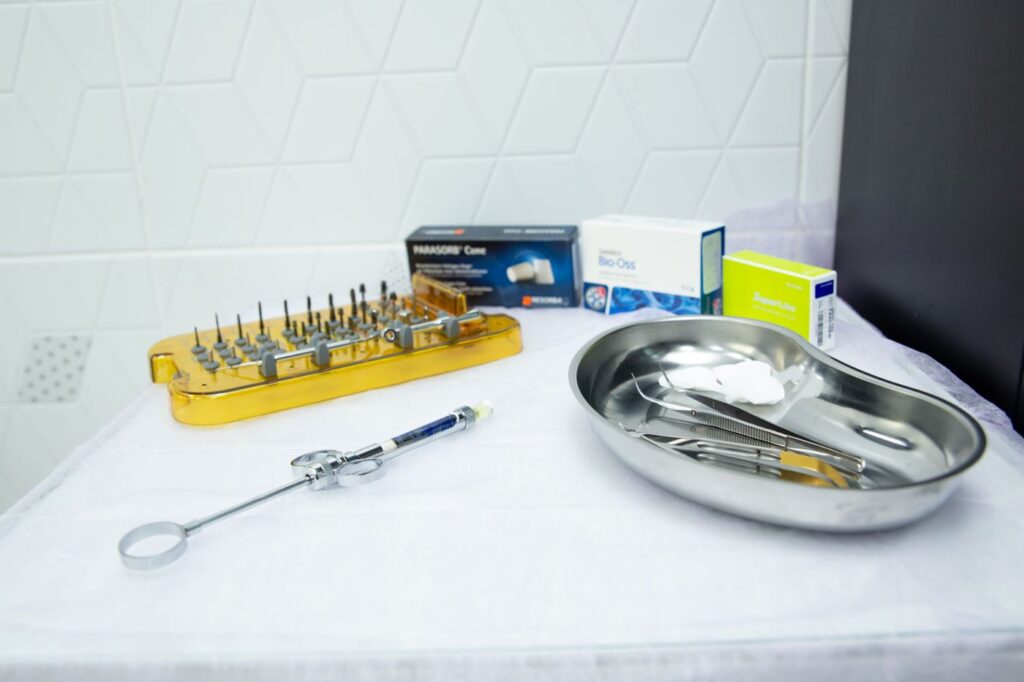
Where there is significant swelling we may drain it and start antibiotics first, then complete root canal treatment once things settle. If the tooth cannot be restored, extraction and its alternatives is the honest conversation to have instead.
Why it stopped hurting on its own
This is the single most misleading thing an abscess does. Pressure builds until it finds a route out — through the gum, or occasionally into the sinus — and the moment it drains, the pain drops away.
Nothing has been cured. The tooth is still dead, the canal is still full of bacteria, and the drainage channel simply keeps the pressure below the threshold where you notice it. People routinely live with this for years, which is how a treatable tooth becomes an unrestorable one.
The same logic applies to a course of antibiotics that seemed to work. Feeling better is not evidence that the source has gone; it is evidence that the swelling around it has settled.
What healing looks like afterwards
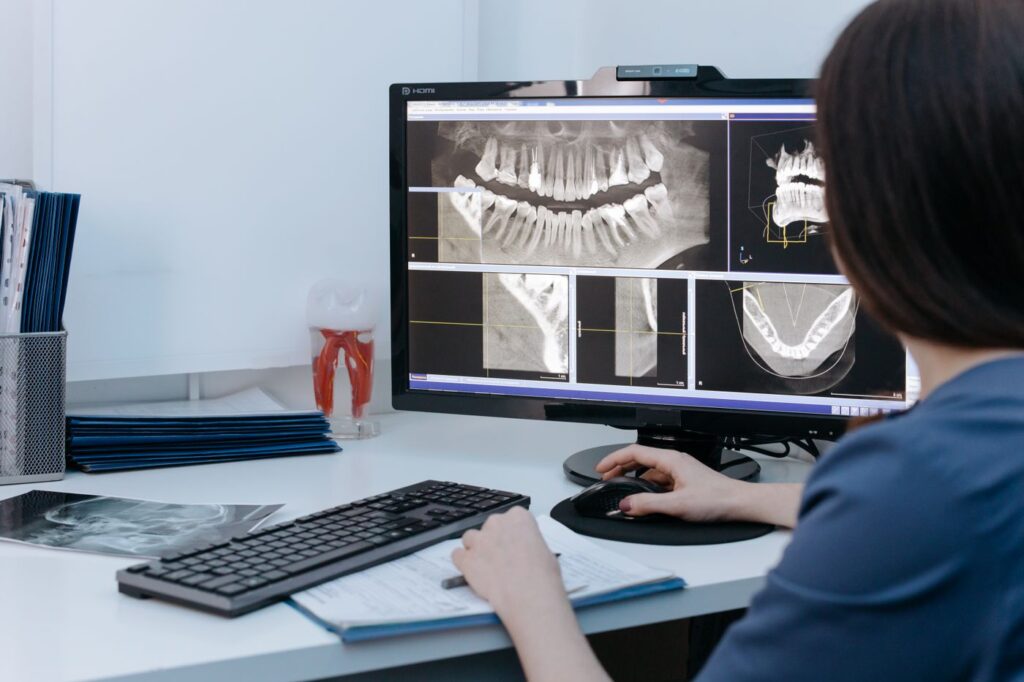
Pain usually improves within a day or two of the pressure being released. Bone is slower — the shadow visible on a radiograph fills in over six to twelve months, which is why we sometimes review with a follow-up film rather than relying on symptoms.
Our recovery guide covers the first week in detail, including the signs that mean you should call rather than wait.

If a previously treated tooth abscesses, that is a different problem with its own options — see retreatment, surgery or extraction. The NIH’s clinical review of dental abscess sets out the underlying microbiology.
Frequently asked questions
Can a tooth abscess go away on its own?
No. The pressure sometimes finds a route out through the gum, which relieves the pain and makes it feel resolved — but the infection inside the tooth is unchanged and will build again.
Why did the antibiotics stop working?
They did not fail so much as run out. Antibiotics reduce the surrounding infection but cannot reach inside a canal that has lost its blood supply, or penetrate a walled-off pocket of pus. Once the course ends, the source is still there.
How urgent is a dental abscess?
Same-day if there is facial swelling or fever. Immediate emergency care if swelling spreads toward your eye or throat, or you have difficulty breathing or swallowing. A small gum boil without swelling still needs treating, but within days rather than hours.
Does treating an abscess mean losing the tooth?
Usually not. Root canal treatment removes the source and lets the bone heal — extraction is the fallback when the tooth is fractured or cannot be restored, not the default.
Have Questions or Ready to Schedule?
Our team is here to help — call, email, or request an appointment online.