A root canal is not a repair you can inspect. Most of what determines whether it worked happens over the following months, in bone you cannot see, influenced by things that have nothing to do with the appointment itself.
Here is what actually governs endodontic healing, which factors are within your control, and how success is genuinely judged.
Key takeaways
- Bone at the root tip rebuilds over six to twelve months — symptoms resolve far sooner.
- Diabetes and smoking are both established negative prognostic factors.
- The quality of the restoration above the root filling predicts survival as strongly as the root filling itself.
- Healing is judged by comparing radiographs over time, not by how the tooth feels.
Two timelines, not one
Confusion here is almost universal, and it comes from conflating two separate processes.

Symptoms resolve quickly. Once infected tissue is removed and pressure released, most people are comfortable within days — the recovery guide covers that week in detail.
Bone healing is slow. Where infection destroyed bone around the root tip, that defect fills in gradually over six to twelve months, sometimes longer for a large lesion. A tooth that feels perfect at three months may still show a shadow, and that is expected rather than alarming.
What is outside your control
| Factor | Effect | Why |
|---|---|---|
| Size of the pre-existing lesion | Larger lesions heal more slowly | More bone to rebuild |
| Whether this is a retreatment | Lower success than first-time treatment | Established biofilm is harder to remove |
| Root anatomy | Curved or calcified canals are harder to clean fully | Access limits what any technique can reach |
| A crack in the tooth | Often decisive | A route bacteria can keep using |
| Existing bone support | Poor support limits the ceiling | The tooth may be sound and still not viable |
Swipe the table sideways to see every column.
None of those are anyone’s fault, and they are why an honest prognosis comes with a percentage attached rather than a promise. A tooth with a large lesion and a previous failed treatment is a different proposition from a straightforward first-time case.
What is within your control
Systemic health genuinely affects periapical healing, and this is where the evidence has firmed up over the last decade.
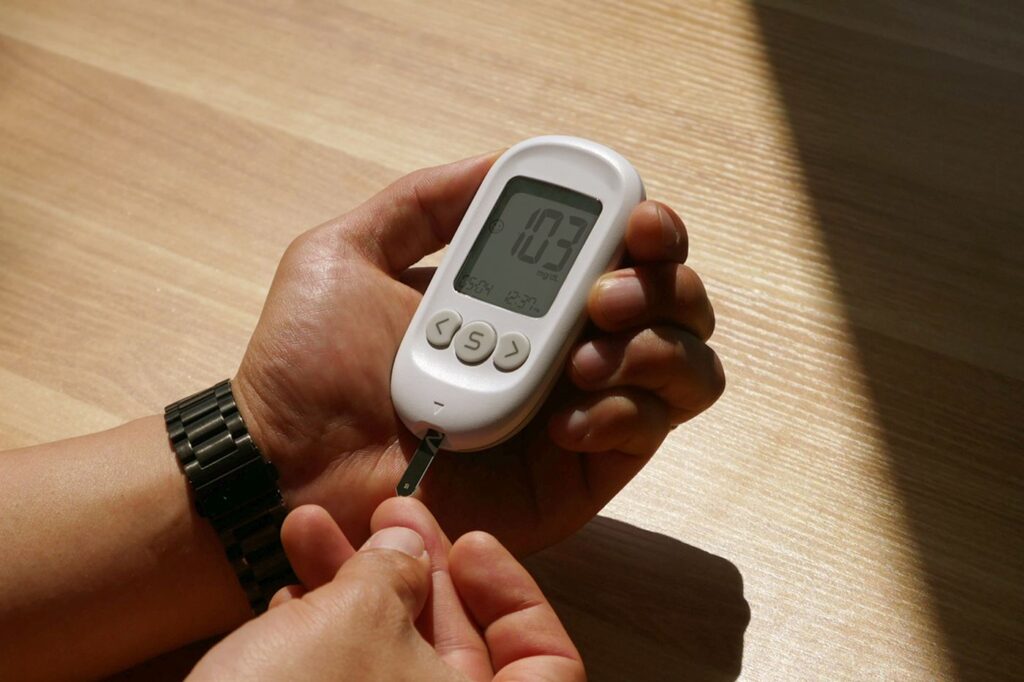
Diabetes is the best-documented factor. Systematic reviews associate it with poorer healing, more persistent lesions and a higher proportion of teeth not retained. Control matters more than diagnosis — well-managed diabetes behaves very differently from poorly managed diabetes, and it is worth mentioning at the consultation rather than leaving it off the medical history.
Where diabetes is part of the picture, it changes what we tell you rather than whether we treat. Expect a longer review interval before anyone calls the tooth healed, and expect more attention paid to the gums around it, because periodontal and periapical problems tend to travel together.
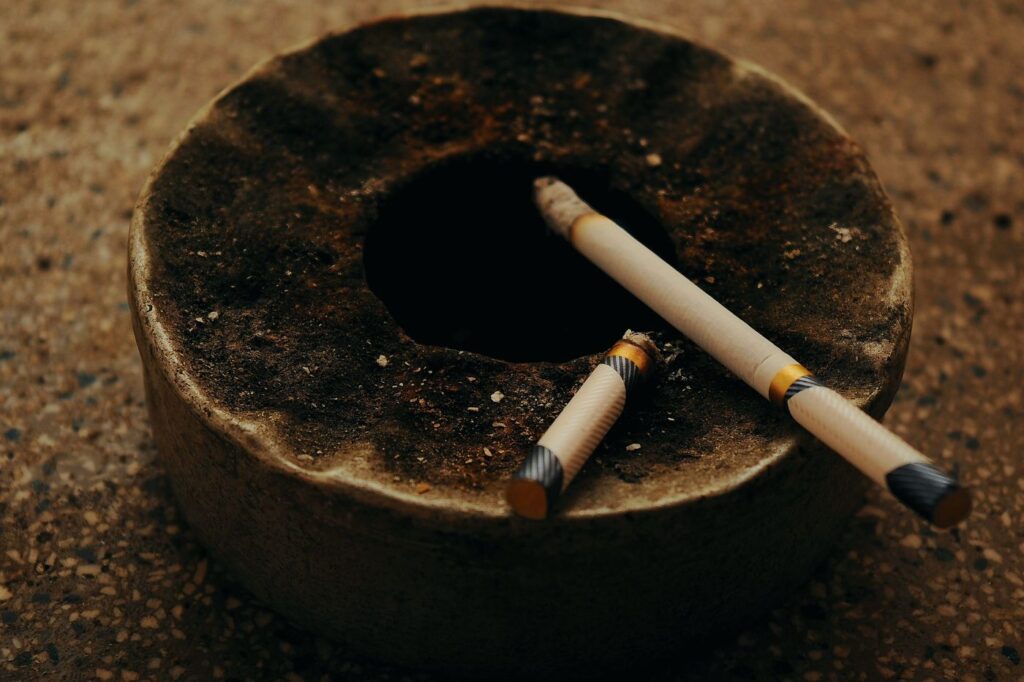
Smoking is the second. It reduces blood supply to the tissues doing the healing, and studies of apical periodontitis after treatment show measurably worse resolution in smokers. Because healing continues for months, cutting down after treatment still helps.
The factor people never think about
Ask what causes root canals to fail and most people say the root canal was done badly. The evidence points somewhere else: the commonest route is recontamination from above.

A leaking filling, a temporary left too long, or a crown that never got placed lets bacteria back into canals that were properly cleaned. Studies of long-term survival consistently find restoration quality to be as strong a predictor as obturation quality.
That is genuinely within your control — it means booking the permanent restoration promptly. On a back tooth that means a crown, and the temporary is not a destination.
What normal looks like at each stage
Because the two timelines run at different speeds, it helps to know roughly what should be true when.
| Point in time | What is usual | What is not |
|---|---|---|
| First 2–3 days | Tenderness to bite, easing daily | Swelling, fever, or pain that worsens |
| 1–2 weeks | Comfortable; permanent restoration booked | Pain unchanged from day one |
| 1–3 months | No symptoms; tooth functioning normally | A gum boil, or discomfort returning |
| 6 months | Radiograph shows a shrinking lesion | A lesion the same size or larger |
| 12 months | Lesion largely or fully resolved | No change — time to reassess options |
Swipe the table sideways to see every column.
The middle rows are where people either relax too early or worry too much. A tooth that is quiet at three months is behaving normally even though the radiograph will still show something; a tooth that is uncomfortable at three months is worth reporting rather than waiting out.
How healing is actually judged
Not by symptoms. A radiograph taken at six or twelve months is compared with the one taken before treatment, and what matters is the direction: a shrinking lesion is healing, whatever the tooth feels like.
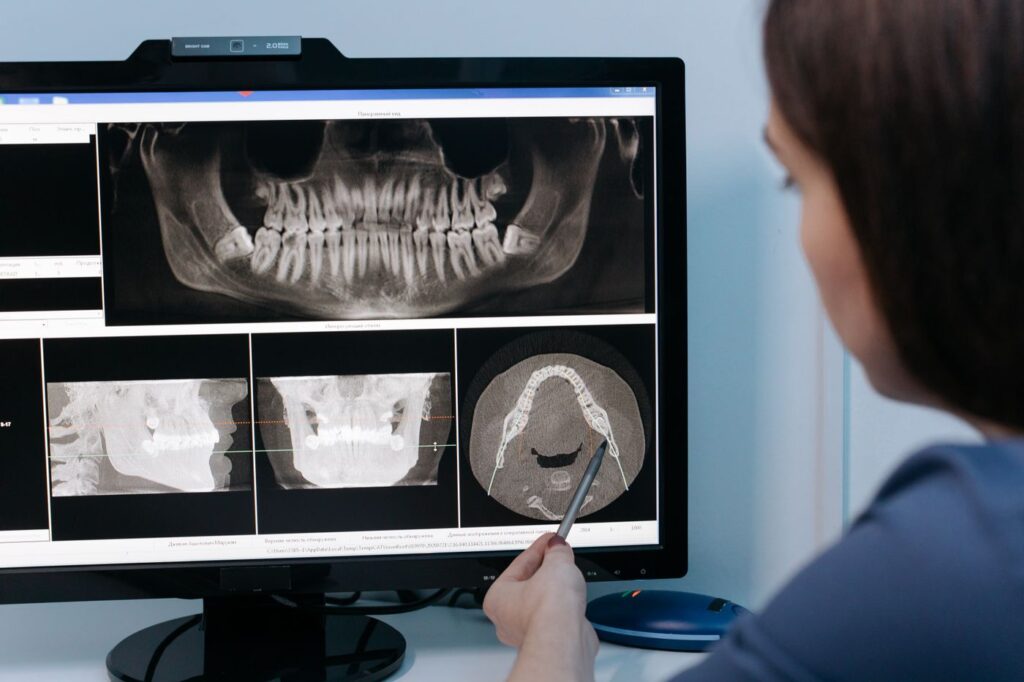
This is why review appointments exist and why they are easy to skip. A tooth that is comfortable but shows an unchanged lesion at twelve months is precisely the case worth catching — the options at that point, covered in retreatment, surgery or extraction, are far better than the options two years later.
What to do with all this
Three things make a measurable difference: get the permanent restoration placed promptly, manage the systemic factors you can, and attend the reviews even when nothing hurts.

None of that is dramatic, which is rather the point. Endodontic outcomes are decided by unglamorous things — a crown fitted on time, blood sugar in range, a radiograph taken at six months — far more often than by anything that happens in the chair.
And give it time. The single commonest reason people believe a root canal has failed is judging it at eight weeks against a process that takes eight months. The British Dental Journal’s review of success and failure in endodontic treatment sets out the predictors in clinical detail.
Frequently asked questions
How long should healing take?
Symptoms usually settle within days to a couple of weeks. Bone at the root tip is far slower — six to twelve months is normal, and larger lesions can take longer. Judging success at three months is judging it too early.
Does diabetes mean my root canal will fail?
No, but it is an established prognostic factor. Well-controlled diabetes has much less effect than poorly controlled diabetes, and the practical consequence is usually a longer follow-up before we call it healed.
Will quitting smoking help now, after treatment?
It helps. Healing continues for months after the appointment, so reducing or stopping during that window still affects the outcome rather than only mattering beforehand.
My tooth feels fine. Does it still need reviewing?
Yes. Comfort and healing are different things — a comfortable tooth can still show an unresolved lesion on a radiograph, and that is exactly the case worth catching early.
Have Questions or Ready to Schedule?
Our team is here to help — call, email, or request an appointment online.