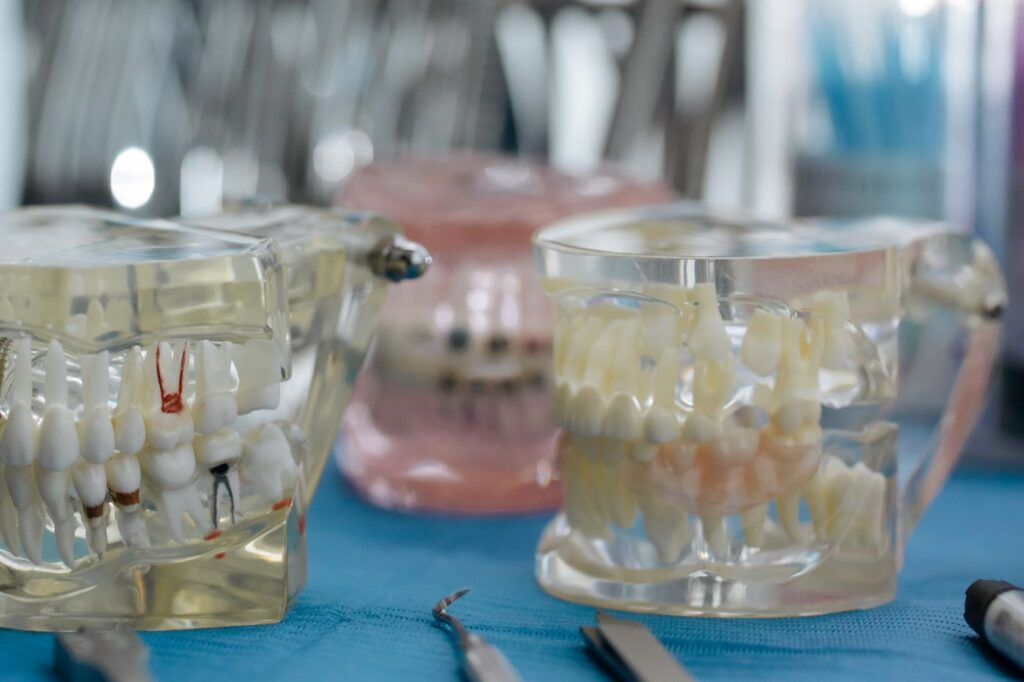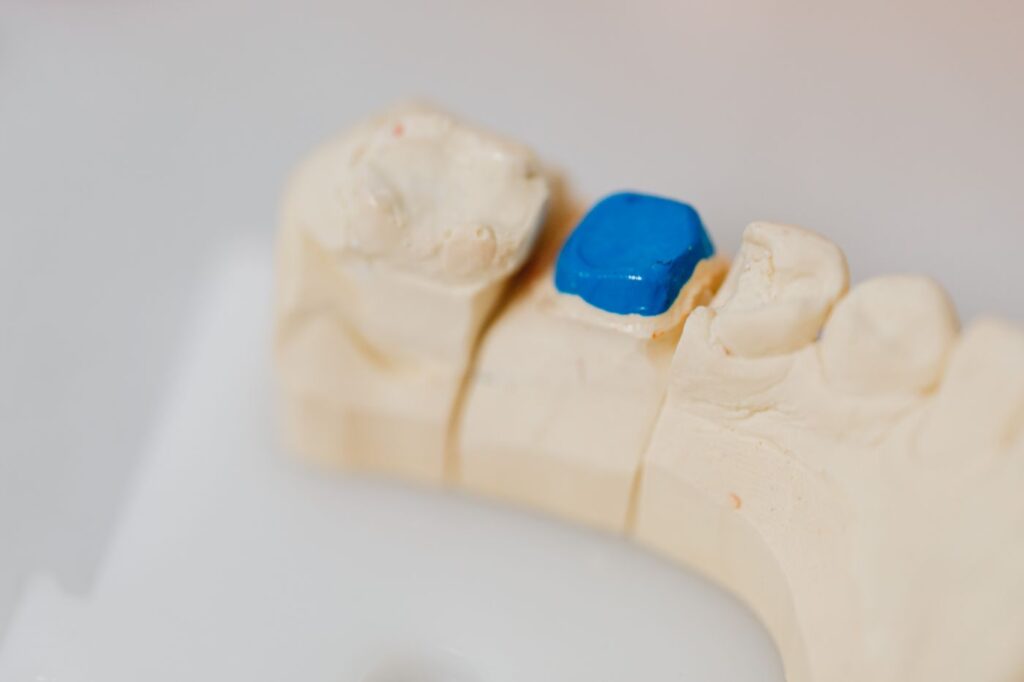
The root canal is done, the pain has gone, and now someone is asking you to spend as much again on a crown. It is a fair moment to ask whether it is really necessary.
For a back tooth, the evidence on this is unusually clear-cut. Here is what the numbers show, and the cases where a crown genuinely is not needed.
Key takeaways
- Crowned treated teeth survive at roughly 94% at five years, against 77% without.
- At ten years the gap widens: about 89% with a crown, 62% without.
- In one large study, 85% of extracted treated teeth had never received cuspal coverage.
- Front teeth are the genuine exception — many do not need full coverage.
- Timing matters: aim for the definitive restoration within about 60 days.
Why a treated tooth needs protecting
Two separate things weaken the tooth, and they compound. The decay, fracture or failing restoration that created the problem in the first place has already removed structure, and the access opening needed to reach the canals removes a little more from the biting surface.
What is lost is not just bulk but bracing. An intact molar resists chewing forces because its walls are connected across the top; once that roof is opened, those walls flex independently every time you bite.
What the survival data shows
| Timeframe | With cuspal coverage | Without | Difference |
|---|---|---|---|
| 5 years | ~94% | ~77% | 17 points |
| 10 years | ~89% | ~62% | 27 points |
| 8-year large-cohort survival | 97% overall | 85% of extractions had no coverage | Coverage dominates the failure data |
Swipe the table sideways to see every column.
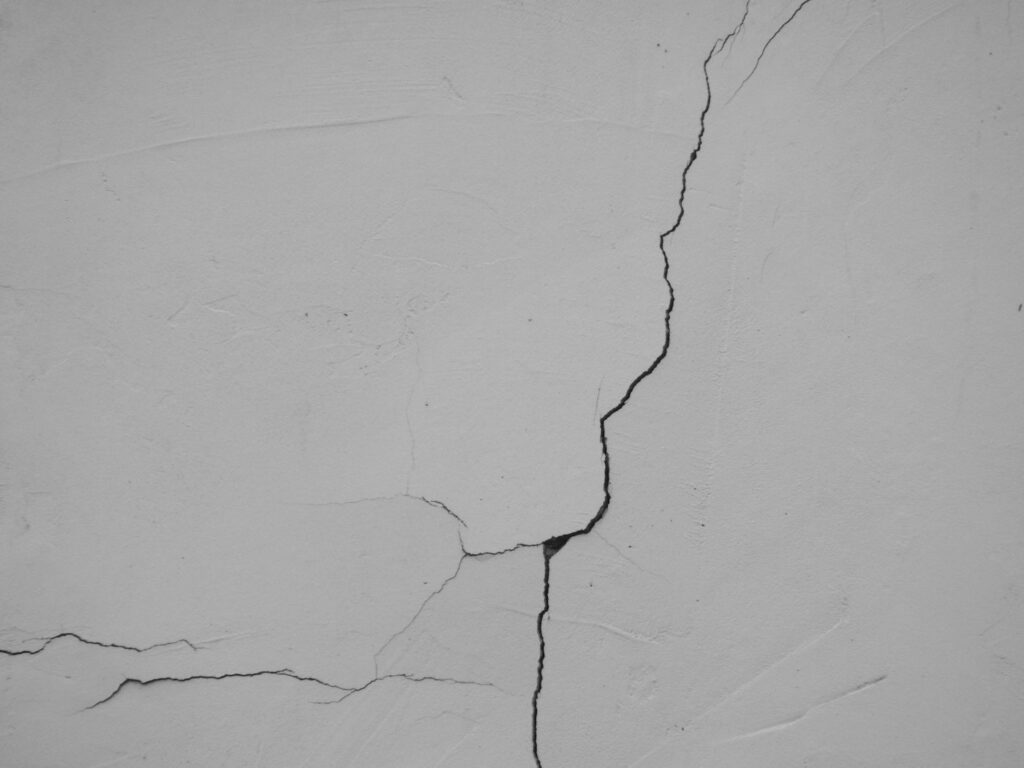
The failure mode is what makes this decisive. Uncrowned treated molars typically fail by vertical fracture, and a vertical root fracture is not retreatable — see which cracks can be saved. The tooth is lost, not merely re-treated.
When a crown is not needed
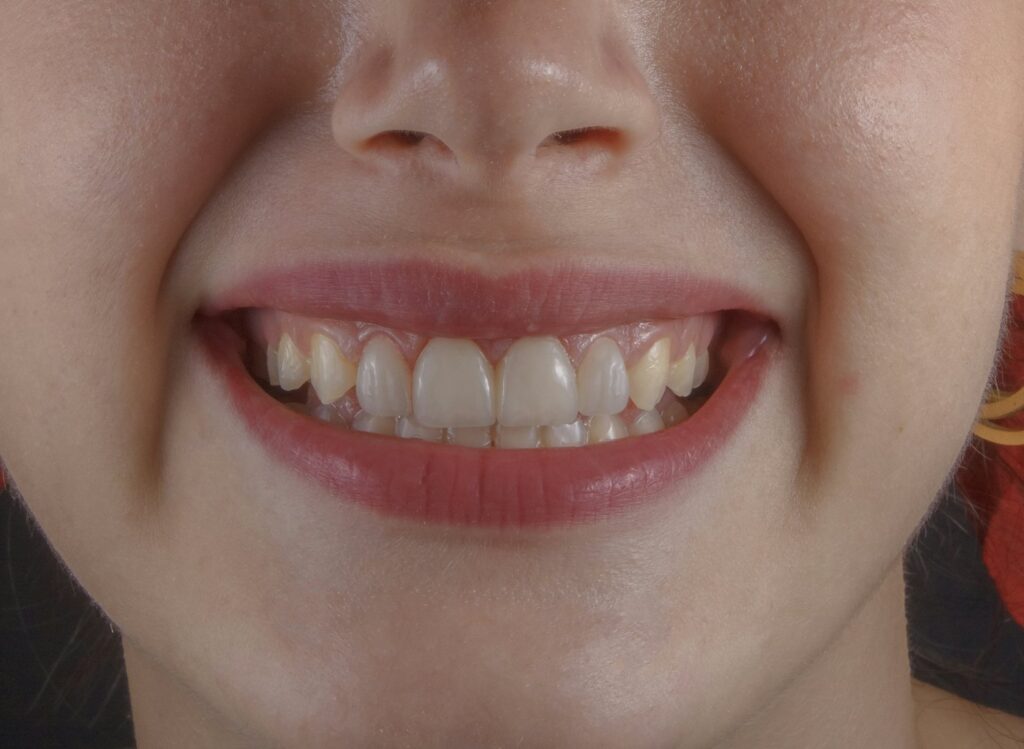
This is where blanket advice goes wrong. Front teeth take shearing rather than crushing forces, have a single canal and a much smaller access opening.
| Tooth | Usual restoration | Crown needed? |
|---|---|---|
| Incisor, intact walls, small access | Bonded composite restoration | Often not |
| Incisor with large existing restoration or discolouration | Crown or veneer | Usually |
| Premolar | Cuspal coverage restoration | Usually |
| Molar | Full-coverage crown or onlay | Almost always |
| Any tooth with a cracked cusp | Full coverage | Yes |
Swipe the table sideways to see every column.
Timing, and why it matters
A temporary filling is exactly that. It seals well for a few weeks and then begins to leak, and leakage lets saliva and bacteria back into canals that were just disinfected.

That is one of the routes to treatment failing and needing retreatment — not because the root canal was poor, but because the seal above it was lost. Book the restorative appointment before you leave, not once the tooth starts bothering you again.
Crown, onlay, or filling?
A crown is not the only way to get cuspal coverage. An onlay covers the cusps while preserving more natural tooth, which is often the better choice where the walls are still sound.
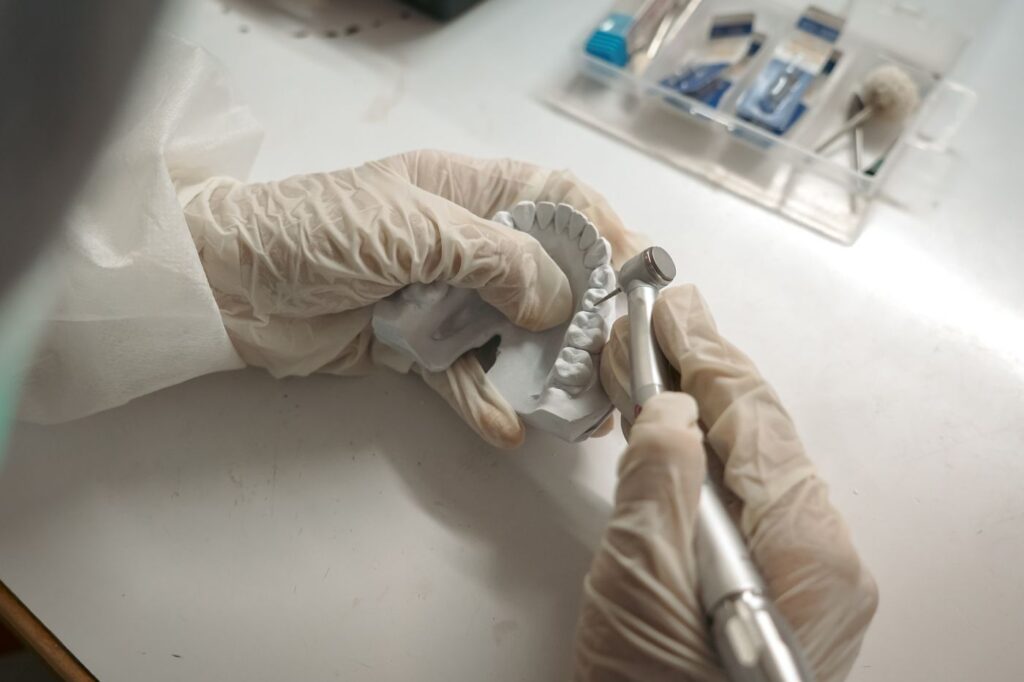
The distinction that matters is not crown versus onlay but covered versus not covered. A large direct filling in a treated molar leaves the walls unbraced, which is precisely the situation the survival data warns about.
What actually happens if you delay
Two separate failures compete for the tooth, and they run on different clocks.
The slower one is leakage. A temporary filling wears and begins to admit saliva within weeks, recontaminating the canal system underneath. This is silent — you will not feel it happening, and it surfaces months later as a tooth that needs retreating.
The faster one is fracture. Every bite flexes unbraced walls, and it takes one awkward bite on something hard to split a cusp. If that split runs below the gumline the tooth is lost outright, which is what the survival figures above are really describing.
Do you need a post as well?
Posts are widely misunderstood as strengthening a tooth. They do not — a post exists to retain a core build-up where too little coronal structure remains to hold one on its own.
Molars usually manage without, because the pulp chamber itself retains the core. Where a post is genuinely needed it should be as conservative as possible, since preparing the canal to receive one removes dentine and raises the risk of root fracture.
Who does it, and what it costs
We complete the root canal and place a temporary filling; your own general dentist then places the definitive restoration. That split in responsibility surprises a lot of patients, and it is worth knowing about before you set a budget.
Expect $800–$2,000 for the crown on top of the treatment fee — the full cost breakdown covers how insurance annual maximums affect the total, and why splitting the two across plan years can help.
If the total is genuinely out of reach, say so before treatment rather than after. A root canal on a molar that never receives cuspal coverage is, on the survival data, an expensive route to the same extraction you were trying to avoid.

That is not an argument for extracting teeth cheaply. It is an argument for having the whole cost on the table at the start, so the decision you make is the one you would still make a year later. Restoration quality also predicts survival as strongly as the root filling does — see what affects the outcome.
Restored properly, a treated tooth needs nothing special — brush, floss and keep your check-ups. What is normal in the first week covers the period before the crown goes on. The published eight-year survival analysis of treated teeth by restoration type is the source for the figures above.
Frequently asked questions
Do all root-canal-treated teeth need a crown?
No. Back teeth almost always do, because they take heavy chewing load and have lost internal structure. A front tooth with a small access opening and otherwise intact enamel is often fine with a bonded filling.
How long can I leave it before getting the crown?
Weeks, not months. Outcomes are better when the definitive restoration follows within about 60 days. A temporary filling is not designed to seal long term, and leakage lets bacteria back into canals that were just cleaned.
Will I need a post as well?
Often not. Molars usually retain a core restoration in the pulp chamber without one. Posts are mainly for teeth with very little coronal structure left, and they carry their own risk of root fracture.
What if I cannot afford the crown right now?
Say so before treatment starts. If the budget genuinely covers only one thing, that changes the conversation about whether the tooth is the right investment — a root canal without a crown on a molar frequently ends in extraction anyway.
Have Questions or Ready to Schedule?
Our team is here to help — call, email, or request an appointment online.