10-E Farmfield Avenue, Charleston, SC 29407

235-213-0595

Category: Root Canals

Guides to root canal treatment, alternatives, and what to expect from endodontic care.

  • How Much Does a Root Canal Cost in Charleston?

    How Much Does a Root Canal Cost in Charleston?

    Almost nobody plans for a root canal, so the first question is usually what it will cost — and most pages answer with a range so wide it is useless.

    Here is what actually drives the number: which tooth it is, how many canals it has, whether you need a crown afterwards, and how your plan’s annual maximum falls.

    Key takeaways

    • Treatment alone typically runs $620–$1,500, rising with the number of canals.
    • The crown is a separate $800–$2,000 and is not optional on a back tooth.
    • Insurance usually pays 50–80% after the deductible, capped by a $1,000–$1,500 annual maximum.
    • Timing treatment across two plan years can materially change what you pay.

    What the treatment itself costs

    Fees track anatomy. A front tooth generally has a single, straight canal; a molar can have four that curve and branch, needing far more time under magnification.
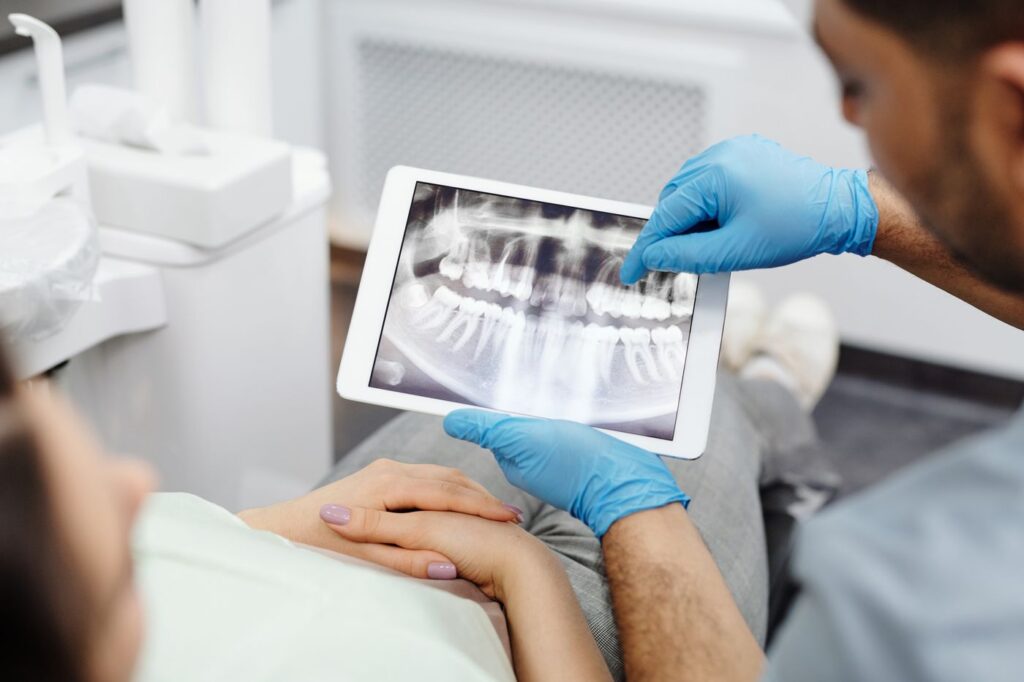
    Molars cost more than front teeth because they have more canals to treat
    Molars cost more because they have more canals to find, clean and seal — not because they matter more.
    Typical US root canal cost by tooth type, before the crown
    ToothCanals, typicallyTreatment costWhy it differs
    Front tooth (incisor)1$620–$1,100Single straight canal, quickest to treat
    Canine1$700–$1,200Longest root, but usually straightforward
    Premolar1–2$720–$1,300Two canals in many cases
    Molar3–4+$890–$1,500Curved, branching canals; longest appointment
    RetreatmentVaries$900–$1,800Old filling material must be removed first

    Swipe the table sideways to see every column.

    The cost people forget: the crown

    A root canal removes tissue from inside the tooth, which leaves it more brittle. On a back tooth that takes heavy chewing load, a full-coverage crown is what stops it splitting.
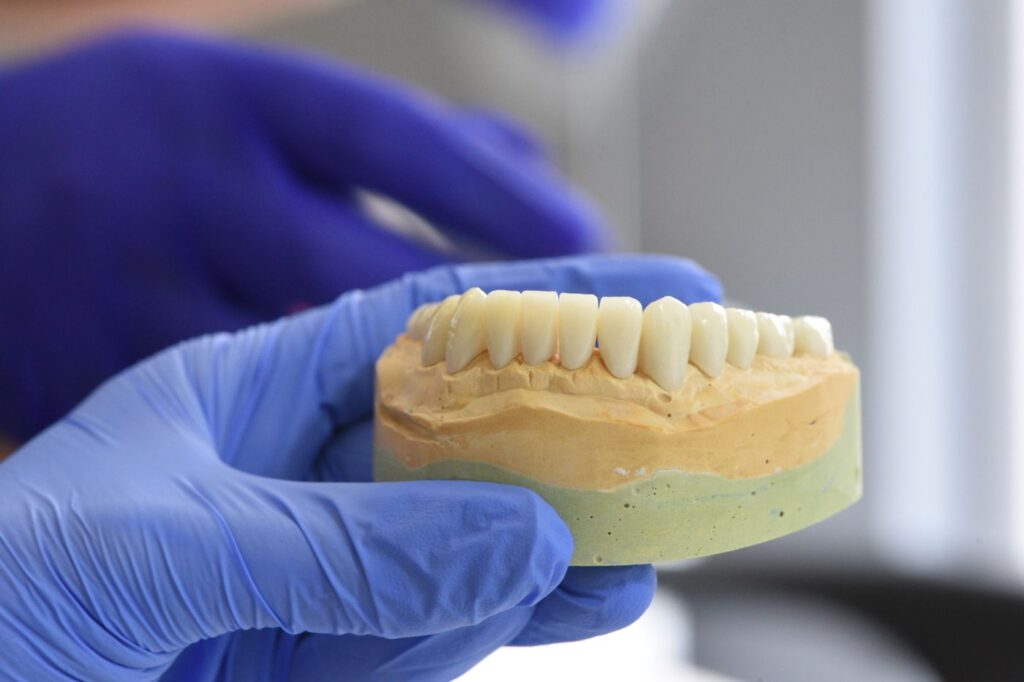
    The crown is a separate cost and is rarely optional on a molar
    Budget the crown from the start — an uncrowned molar frequently fractures, and a fractured root cannot be saved.

    Expect $800–$2,000 for the crown, usually from your general dentist rather than us. Realistically, plan for $1,500–$4,000 all-in per tooth. Our office policy and fees page sets out how we handle estimates and payment.

    How insurance actually applies

    Most plans file endodontics as a “basic” or “major” service and pay a percentage of an allowed amount — not of our fee. Three numbers decide your share:

    Most plans cover 50-80% of endodontic treatment after the deductible
    The annual maximum is the number that catches people out, not the coinsurance percentage.
    • Deductible — usually $50–$100 per person per year, paid before coverage starts.
    • Coinsurance — the plan pays 50–80%, you pay the rest.
    • Annual maximum — commonly $1,000–$1,500. Once reached, you pay everything else that year.
    What the same molar can cost you, depending on coverage
    SituationTreatment + crownPlan paysYou pay
    No insurance$2,400$0$2,400
    50% coverage, $1,000 max$2,400$1,000$1,400
    80% coverage, $1,500 max$2,400$1,500$900
    80% coverage, split over two plan years$2,400$1,900$500

    Swipe the table sideways to see every column.

    Annual maximums mean timing treatment can change what you pay
    Where a plan renews matters as much as what it covers.

    That last row is the practical tip. If treatment falls near your plan’s renewal date, completing the root canal in one year and the crown in the next can use two annual maximums instead of one. See how dental insurance applies to endodontic treatment and our financial policy.

    Two other levers are worth knowing about. An HSA or FSA lets you pay with pre-tax money, which effectively discounts the whole bill by your marginal rate. And most practices, including ours, offer third-party financing that spreads the cost interest-free over several months for patients who qualify.

    Specialist fees, and why they can cost less

    A specialist’s fee can be higher per visit. What it buys is a practice limited entirely to this procedure, with magnification and 3D imaging as standard — see the technology used in our Charleston practice.

    A specialist may charge more per visit and still cost less overall
    An endodontist does this work all day; a general dentist does it occasionally.

    The economics only matter if treatment holds. A case that needs retreatment because a canal was missed costs more than the original fee difference several times over. Our page on why an endodontist handles complex cases covers when a referral is worth it.

    What is not worth economising on

    Two shortcuts reliably cost more later. Skipping the crown on a molar is the first, and it is the more expensive mistake of the two — you risk losing the tooth you have just paid a four-figure sum to keep, and then face the replacement cost on top.

    Ask for a written estimate before treatment begins
    Ask for the estimate in writing, including whether the crown is included.

    The second is waiting. An infected tooth does not stabilise; it becomes an emergency, and emergency treatment is more expensive and less predictable. If pain is escalating now, read which symptoms need same-day care. If you are weighing extraction instead, the alternatives compared on ten-year cost sets out the maths.

    What the fee should include

    Compare quotes on what is bundled, not just the headline number. Our fee covers the consultation and diagnosis, the imaging needed to plan the case, the treatment itself, and the follow-up review afterwards.

    Some practices price those separately, which makes an initial figure look lower than it turns out to be. Ask specifically whether diagnostic imaging, a second visit if the case needs one, and the review appointment are included.

    It is also worth asking your insurer for a pre-treatment estimate. We can submit the proposed treatment codes before anything starts, and the plan responds with what it will actually pay — which removes most of the uncertainty for a fee of this size.

    Getting an accurate number for your tooth

    Nobody can quote you accurately from a search result, and any page that tries is guessing. The fee depends on which tooth it is, the canal anatomy inside it, whether it has been treated before, and what your particular plan allows.

    At a consultation we image the tooth, confirm what it needs, and give you a written estimate with your benefits checked — see what to expect at your first visit. The ADA’s guide to paying for dental care is a useful primer on plan types and the terms above.

    Frequently asked questions

    Why does a molar root canal cost more than a front tooth?

    Front teeth usually have one canal; molars commonly have three or four, sometimes more, and they curve. More canals means more time, more imaging and more instrumentation, so the fee rises with the anatomy rather than the tooth’s importance.

    Does dental insurance cover root canal treatment?

    Most plans cover 50–80% of the allowed amount once your deductible is met, typically $50–$100 a year. The catch is the annual maximum — usually $1,000–$1,500 — which a root canal plus a crown can exhaust on its own.

    Is it cheaper to see a general dentist than an endodontist?

    Sometimes per visit, not always overall. A specialist treats difficult anatomy daily and is more likely to finish it in one attempt. A re-do costs more than the difference in fee, and a molar with curved canals is where that shows.

    Do I really need the crown as well?

    On a back tooth, yes. A treated molar has lost structure and is loaded heavily every time you chew; without full coverage it commonly fractures, and a fractured root cannot be saved. Skipping the crown risks losing the tooth you just paid to keep.

    Have Questions or Ready to Schedule?

    Our team is here to help — call, email, or request an appointment online.

    About this guide. Written for patients of Southeast Endodontics, PC, Charleston, SC. All figures are US averages for 2026 and vary by region, tooth and plan — they are not a quote for your treatment.

  • Root Canal Alternatives: Your Real Options, Honestly Compared

    Root Canal Alternatives: Your Real Options, Honestly Compared

    If your dentist has said you need a root canal, wanting to know what else is possible is a reasonable reaction. Search the question and you mostly find pages selling the procedure, or pages selling something instead of it.

    This guide does neither. Here are the options that genuinely exist, what each costs over ten years, and when we will tell you the tooth is better out than saved.

    Key takeaways

    • Four real alternatives exist: extraction alone, extraction plus an implant, extraction plus a bridge, and — only if caught early — pulp capping.
    • Extraction is cheapest on the day and usually dearest over ten years, because the gap still has to be dealt with.
    • “Doing nothing” is not on the list. An infected pulp does not heal on its own.
    • Sometimes extraction genuinely is the better call — we name those situations below.

    What a root canal is actually replacing

    The pulp is the soft tissue at the centre of your tooth, carrying its nerve and blood supply. When decay, a deep filling or a crack lets bacteria reach it, the pulp becomes inflamed — and past a certain point that inflammation is irreversible.

    A dentist reviewing a dental X-ray to assess whether a tooth can be saved
    Imaging shows the extent of infection and how much sound tooth is left to build on — the two facts that drive the decision.

    Only two outcomes remain: remove the pulp and keep the tooth, or remove the tooth. Every “alternative” is a variation on one of those. Our page on the anatomy of the tooth and what the pulp does makes the rest easier to follow, and what root canal treatment actually involves covers the procedure itself.

    Your five options compared

    Root canal vs. the four alternatives: cost, longevity and what you keep
    OptionWhat actually happensTypical US costKeeps natural toothTypical lifespan
    Root canal + crownInfected pulp removed, canals cleaned and sealed, crown placed to protect the tooth$1,500–$3,000Yes86–95% still functioning at 7 years
    Extraction onlyTooth removed, gap left open$150–$600NoPermanent gap; neighbours drift over years
    Extraction + implantTitanium post placed in bone, crown fitted after healing$3,150–$6,600NoAround 90% survival at 7 years
    Extraction + bridgeTwo neighbouring teeth crowned to carry a false tooth$2,000–$5,000NoCommonly 10–15 years
    Pulp cappingMedicated dressing placed over an exposed but still-healthy pulp$200–$500YesOnly before the pulp is irreversibly inflamed

    Swipe the table sideways to see every column.

    Extraction on its own

    Pulling the tooth ends the problem the same day and costs least up front. That is a genuine advantage, worth stating plainly.

    A sterile tray of dental instruments prepared for a tooth extraction
    Extraction is the fastest route to being pain-free — and the one that leaves the most to deal with afterwards.

    What it leaves is a gap. Teeth either side drift into it, the opposing tooth drops toward the space, and the bone that held the root resorbs. Wisdom teeth are the common exception.

    Replacing the tooth: implant or bridge

    An implant is the closest functional replacement dentistry offers. The trade-offs are time and candidacy: months from extraction to final crown, sometimes a bone graft first, and lower success rates with smoking or uncontrolled diabetes.

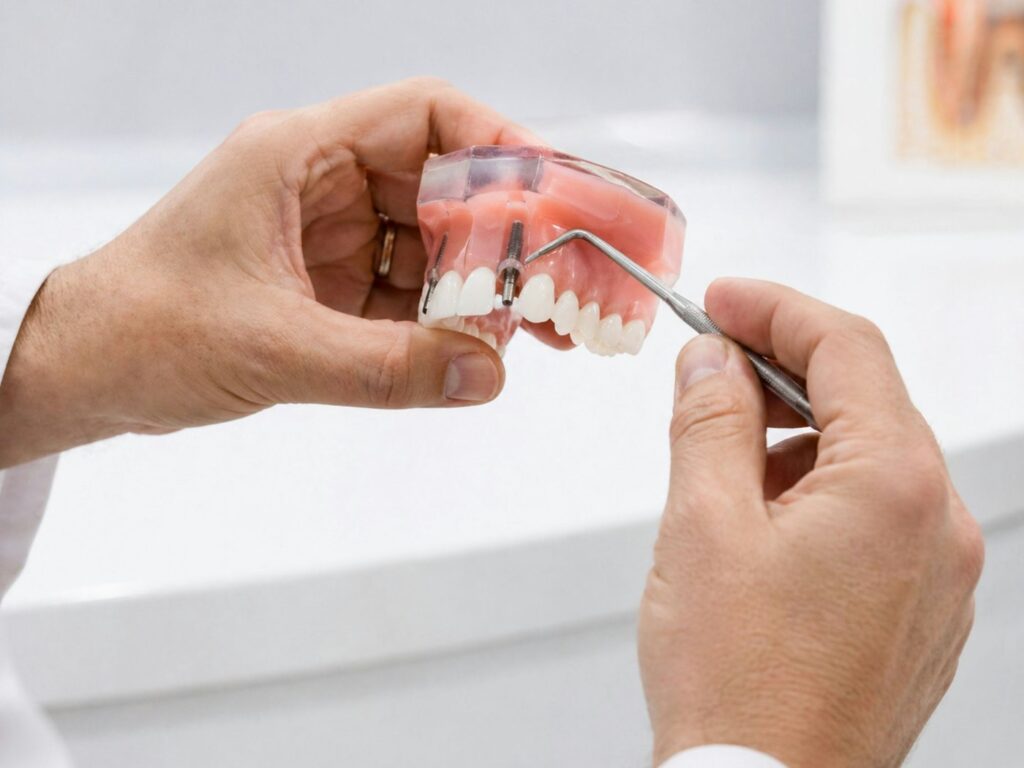
    A dental implant model showing how an extracted tooth is replaced
    An implant replaces the root as well as the crown, which is why it preserves bone better than a bridge.

    A bridge fills the gap in weeks and needs no surgery. Its cost is biological rather than financial: both neighbouring teeth get filed down to carry it, and if one fails the whole bridge fails.

    Ceramic crown and bridge models used to replace a missing tooth
    A bridge is quicker than an implant, but the two supporting teeth pay for it.

    Pulp capping, if you have caught it early

    If decay has only just reached a still-healthy pulp, a medicated dressing and a good seal can let it settle, and no root canal is needed.

    The catch is timing. Once inflammation is irreversible, capping only delays things. Our guide to what hot and cold sensitivity tells you about the nerve explains exactly where that line falls.

    What about doing nothing?

    This is the option people quietly choose most often, usually once the pain stops. Pain easing generally means the nerve has died — not that the tooth recovered.

    Bacteria remain and work outward into the jawbone, forming an abscess. If that reaches facial swelling or fever you are no longer choosing between treatments: see the warning signs that mean you need same-day emergency care.

    The ten-year cost comparison

    Day-one prices are why extraction looks economical. Ten-year totals reverse the ranking, because the gap still has to be addressed.

    Comparing the long-term cost of a root canal against extraction and replacement
    Day-one prices make extraction look cheap. Ten-year totals are what should drive the decision.
    What each route typically costs over ten years
    RouteUp frontLikely follow-on cost10-year total
    Root canal + crown$1,500–$3,000Usually none; occasional retreatment$1,500–$4,000
    Extraction + implant + crown$150–$600Implant, abutment, crown, possible graft$4,800–$8,000
    Extraction + bridge$150–$600Bridge, plus likely replacement at 10–15 years$2,500–$5,500
    Extraction, no replacement$150–$600Drifting, over-eruption, later restorative workUnpredictable

    Swipe the table sideways to see every column.

    A patient smiling after keeping her natural tooth with root canal treatment
    The American Association of Endodontists puts it simply: nothing looks, feels or functions quite like a natural tooth.

    Coverage varies more than people expect, and most plans file endodontic and surgical work under different categories. See how dental insurance applies to endodontic treatment and our payment and financial policy for treatment.

    When extraction genuinely is the better choice

    Most articles on this topic never reach this section. They should — a root canal on a tooth that cannot be restored afterwards is money spent twice. We will recommend extraction when:

    • The crack extends below the gumline. A vertical root fracture cannot be sealed — see which cracked teeth can be saved.
    • Too little tooth structure remains to hold a crown, even with a post and core build-up.
    • Severe bone loss from advanced gum disease has already loosened the tooth.
    • Treatment has failed twice and neither endodontic retreatment nor an apicoectomy to seal the root tip will change the outcome.
    • The crown is not affordable. An uncrowned molar usually fractures afterwards. If the budget covers only one, extraction is the more honest use of it.

    Judging whether a tooth is realistically savable is exactly why dentists refer to a specialist. See what to expect at your first visit, or MedlinePlus, the NIH’s consumer health service, on tooth disorders and treatment options.

    Frequently asked questions

    Is there a natural alternative to a root canal?

    No. Once the pulp is irreversibly inflamed, no supplement, oil or rinse reverses it — the tissue cannot recover its blood supply. Ozone and medicated dressings only buy time on a tooth that still needs treatment.

    Is it cheaper to pull a tooth than have a root canal?

    On the day, yes: roughly $150–$600 against $700–$1,500 before the crown. Over ten years it usually reverses, because the gap still has to be filled.

    How long does a root canal last compared with an implant?

    Both do well — around 86–95% for initial root canal treatment and about 90% for implants at roughly seven years. The difference is what happens if one fails: a root canal can often be retreated, while a failing implant usually comes out.

    Can I leave the tooth alone if it stops hurting?

    Pain stopping usually means the nerve has died, not that the tooth recovered. Bacteria stay in the canal and work out through the root tip into the bone. That is how a quiet tooth becomes a swollen face weeks later.

    Have Questions or Ready to Schedule?

    Our team is here to help — call, email, or request an appointment online.

    About this guide. Written for patients of Southeast Endodontics, PC, Charleston, SC, where Dr. Long and Dr. O’Neal practise endodontics exclusively. Cost ranges are US averages, not a quote.