

Sensitive teeth are so common that most people ignore them. But the pattern of sensitivity — hot or cold, how long it lasts, whether it lingers — is the single most useful diagnostic clue an endodontist has.
Two people describing “a sensitive tooth” can have completely different problems: one needing nothing more than a change of toothpaste, the other needing a root canal within the week. Here is how to tell them apart.
Key takeaways
- Duration matters more than intensity. Brief sensitivity is usually reversible; lingering pain usually is not.
- Cold sensitivity is common and often harmless. Heat sensitivity is the more concerning of the two.
- Pain that wakes you at night, or that spreads so you cannot identify the tooth, indicates the pulp is involved.
- Cold relieving a toothache is a late sign that needs prompt attention, not reassurance.
- Desensitising toothpaste treats genuine sensitivity but masks pulp inflammation.
The 30-second rule
Endodontists lean heavily on one question: how long does the pain last after the trigger is removed?
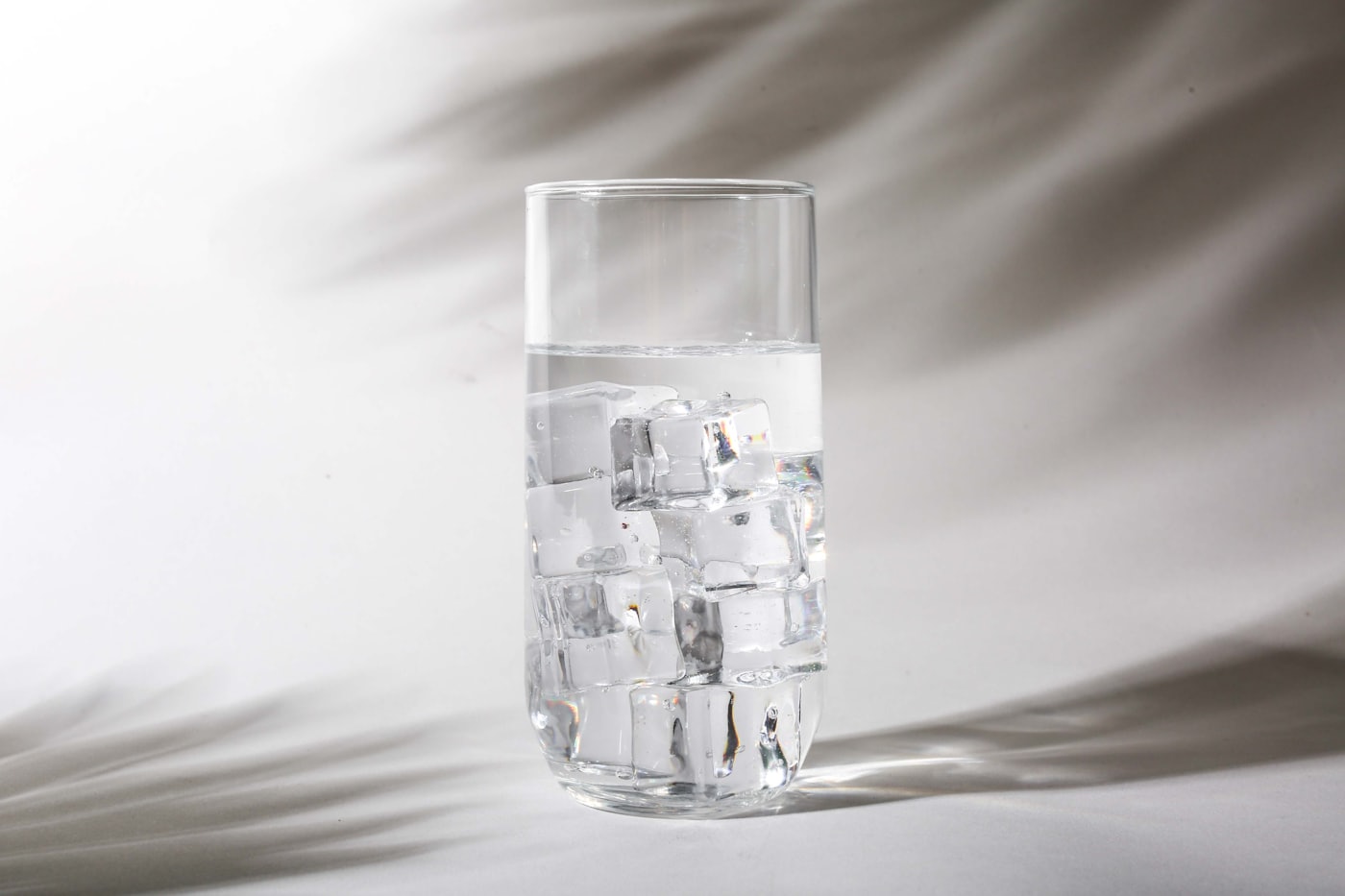
Under about 30 seconds suggests reversible pulpitis — the pulp is irritated but can recover once the cause is treated. Longer than that, particularly if it builds rather than fades, suggests irreversible pulpitis, where the tissue cannot recover and root canal treatment becomes the realistic option.
What each pattern usually means
Sensitivity is rarely just “sensitivity”. The combination of trigger, duration and location narrows the diagnosis considerably, and the table below is roughly how we think through it.
| What you notice | Likely cause | How urgent |
|---|---|---|
| Brief cold twinge, gone in seconds | Exposed dentine from gum recession or worn enamel | Routine — mention at your next visit |
| Cold pain lingering 30+ seconds | Irreversible pulpitis | Assessment within days |
| Pain triggered by heat | Pulp is dying; gases expanding inside the tooth | Prompt — rarely resolves alone |
| Sharp pain on releasing a bite | A crack in the tooth | Assessment soon — cracks spread |
| Throbbing that wakes you at night | Advanced pulp inflammation | Same week, sooner if severe |
| Cold relieves the ache | Necrotic pulp with pressure build-up | Prompt assessment |
| Sensitivity across several teeth | Grinding, whitening, acid erosion, or a new filling | Routine unless it persists |
Swipe the table sideways to see every column.
Why heat is the more worrying signal
Cold sensitivity is so widespread it tells you relatively little on its own. Heat sensitivity is different.

As a pulp dies, tissue breakdown produces gases inside a chamber with rigid walls and nowhere to expand. Heat expands those gases further, driving pressure against the nerve. That is why the pain is often delayed by several seconds and then builds — the opposite of an ordinary cold twinge.
Sensitivity that is not about the nerve at all
Plenty of sensitivity has nothing to do with the pulp. Receding gums expose dentine, and its microscopic tubules transmit temperature straight to the nerve. Enamel worn by acidic drinks or grinding does the same.
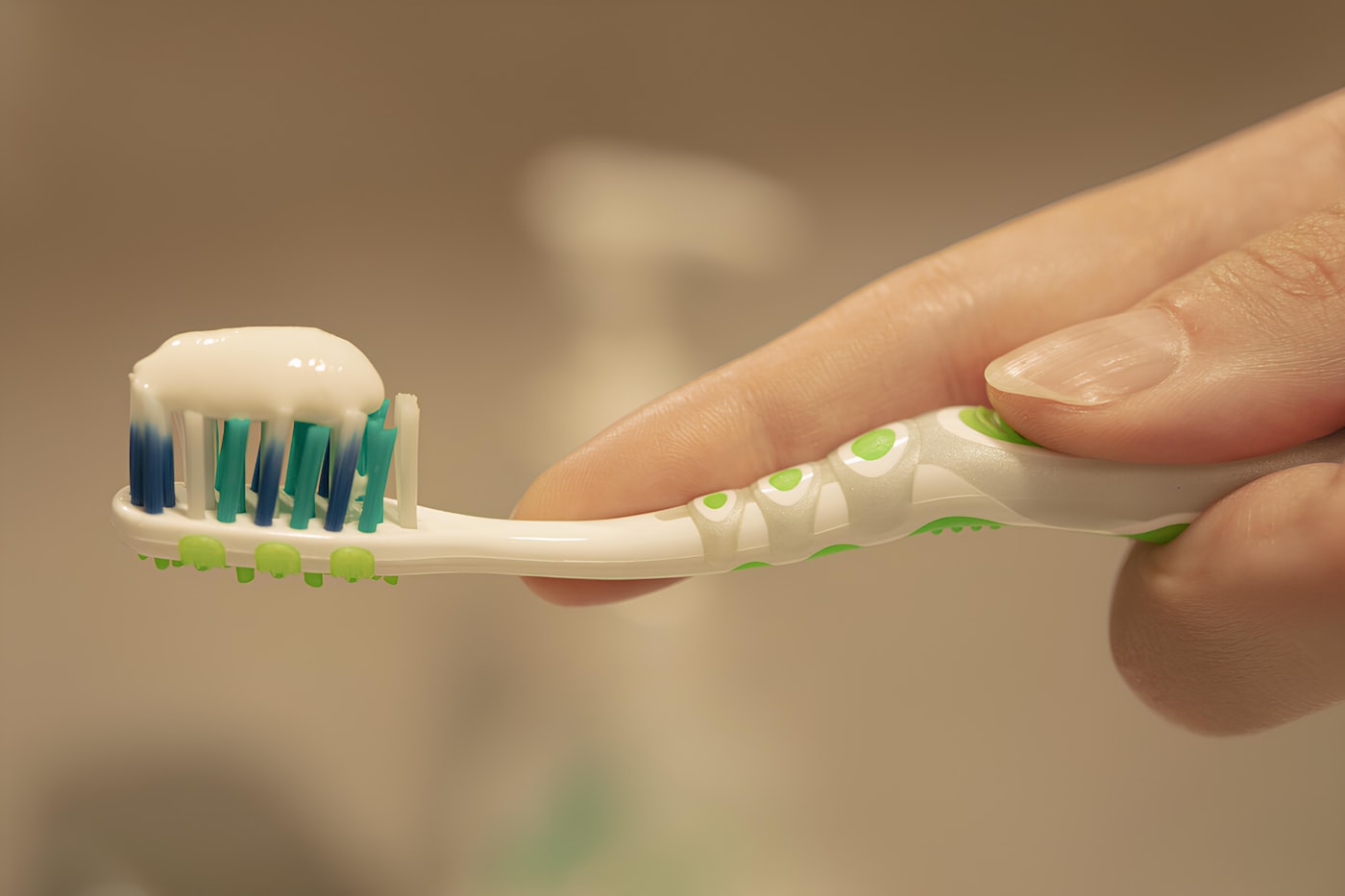
These respond well to desensitising toothpaste, typically within two to four weeks. The important caveat: if the toothpaste is not helping after a month, it is not that kind of sensitivity, and continuing to use it simply delays a diagnosis.
Two other everyday causes are worth ruling out before assuming the worst. A newly placed filling can leave a tooth reactive for a few weeks while the pulp settles, and whitening treatments commonly produce sharp, short-lived cold sensitivity that resolves on its own.
Night-time grinding is the one to take seriously, because it wears enamel and stresses teeth at the same time. It is a frequent precursor to the cracks described in our cracked teeth treatment page, and our tips for protecting your natural teeth cover guards and prevention.
| Feature | Dentine hypersensitivity | Pulpitis |
|---|---|---|
| Number of teeth | Often several, usually along the gumline | Almost always one |
| Duration after trigger | Seconds | 30 seconds to many minutes |
| Spontaneous pain | No | Common, especially at night |
| Response to heat | Rarely a trigger | Often the worst trigger |
| Can you localise it? | Yes | Often not — pain refers to nearby teeth |
| Desensitising toothpaste | Helps within weeks | No meaningful effect |
Swipe the table sideways to see every column.
How we work out which tooth it is
Referred pain makes self-diagnosis unreliable. Upper and lower teeth on the same side share nerve pathways, so an upper molar problem is regularly reported as lower jaw pain.

We test several teeth to establish your normal response, then compare. Cold testing gauges whether the pulp is alive and how it reacts; percussion testing shows whether inflammation has reached the ligament around the root. Our guide to identifying the source of tooth pain covers this in more detail.
When to stop waiting
Book an assessment if sensitivity lingers past 30 seconds, if heat has become a trigger, if pain wakes you at night, or if you cannot pinpoint which tooth is responsible. None of those resolve by waiting, and each one gets harder to treat the longer it runs.

Go sooner if there is swelling, fever, or pain that over-the-counter medication no longer controls — those are covered in the signs that need same-day emergency treatment. If a crack is the suspected cause, which cracked teeth can still be saved explains what determines the outcome.
What treatment actually changes
If the pulp is the problem, root canal treatment removes the inflamed tissue and the sensitivity goes with it — there is nothing left inside the tooth to register temperature.

If it is exposed dentine instead, the fix is smaller and no root canal is involved. Either way the first appointment is diagnostic before anything else — see what to expect at your first visit, or the Merck Manual’s clinical entry on pulpitis for the underlying condition in technical detail.
Frequently asked questions
Is hot or cold sensitivity worse?
Heat sensitivity is the more serious signal. Cold sensitivity is extremely common and often harmless, but pain triggered specifically by heat usually indicates gases expanding inside a pulp that is already dying.
How long should tooth sensitivity last after cold?
A second or two. Discomfort that fades almost as soon as the cold is gone suggests reversible inflammation. Anything lingering past roughly 30 seconds points toward irreversible pulpitis.
Can sensitive toothpaste fix the problem?
It genuinely helps dentine hypersensitivity from receding gums or worn enamel, usually within two to four weeks. It does nothing for an inflamed pulp — it only masks the warning while the problem advances.
Why does cold relieve my toothache instead of causing it?
Relief from cold is a recognised late sign. Once the pulp has become necrotic and pressure has built inside the tooth, cold constricts the tissue and briefly eases that pressure. It needs prompt assessment.
Have Questions or Ready to Schedule?
Our team is here to help — call, email, or request an appointment online.