
10-E Farmfield Avenue, Charleston, SC 29407

235-213-0595

Tag: tooth pain

  • Tooth Sensitive to Hot or Cold? What Each Pattern Actually Means

    Tooth Sensitive to Hot or Cold? What Each Pattern Actually Means

    Sensitive teeth are so common that most people ignore them. But the pattern of sensitivity — hot or cold, how long it lasts, whether it lingers — is the single most useful diagnostic clue an endodontist has.

    Two people describing “a sensitive tooth” can have completely different problems: one needing nothing more than a change of toothpaste, the other needing a root canal within the week. Here is how to tell them apart.

    Key takeaways

    • Duration matters more than intensity. Brief sensitivity is usually reversible; lingering pain usually is not.
    • Cold sensitivity is common and often harmless. Heat sensitivity is the more concerning of the two.
    • Pain that wakes you at night, or that spreads so you cannot identify the tooth, indicates the pulp is involved.
    • Cold relieving a toothache is a late sign that needs prompt attention, not reassurance.
    • Desensitising toothpaste treats genuine sensitivity but masks pulp inflammation.

    The 30-second rule

    Endodontists lean heavily on one question: how long does the pain last after the trigger is removed?
    Brief cold sensitivity that fades in seconds is usually reversible
    A brief wince from something cold that fades within seconds is the reassuring version of this symptom.

    Under about 30 seconds suggests reversible pulpitis — the pulp is irritated but can recover once the cause is treated. Longer than that, particularly if it builds rather than fades, suggests irreversible pulpitis, where the tissue cannot recover and root canal treatment becomes the realistic option.

    What each pattern usually means

    Sensitivity is rarely just “sensitivity”. The combination of trigger, duration and location narrows the diagnosis considerably, and the table below is roughly how we think through it.

    Tooth sensitivity patterns and what each one typically indicates
    What you noticeLikely causeHow urgent
    Brief cold twinge, gone in secondsExposed dentine from gum recession or worn enamelRoutine — mention at your next visit
    Cold pain lingering 30+ secondsIrreversible pulpitisAssessment within days
    Pain triggered by heatPulp is dying; gases expanding inside the toothPrompt — rarely resolves alone
    Sharp pain on releasing a biteA crack in the toothAssessment soon — cracks spread
    Throbbing that wakes you at nightAdvanced pulp inflammationSame week, sooner if severe
    Cold relieves the acheNecrotic pulp with pressure build-upPrompt assessment
    Sensitivity across several teethGrinding, whitening, acid erosion, or a new fillingRoutine unless it persists

    Swipe the table sideways to see every column.

    Why heat is the more worrying signal

    Cold sensitivity is so widespread it tells you relatively little on its own. Heat sensitivity is different.

    Pain triggered by heat is the more serious of the two signals
    Pain from a hot drink specifically — where cold is fine or even soothing — is the pattern that most often means the pulp is dying.

    As a pulp dies, tissue breakdown produces gases inside a chamber with rigid walls and nowhere to expand. Heat expands those gases further, driving pressure against the nerve. That is why the pain is often delayed by several seconds and then builds — the opposite of an ordinary cold twinge.

    Sensitivity that is not about the nerve at all

    Plenty of sensitivity has nothing to do with the pulp. Receding gums expose dentine, and its microscopic tubules transmit temperature straight to the nerve. Enamel worn by acidic drinks or grinding does the same.
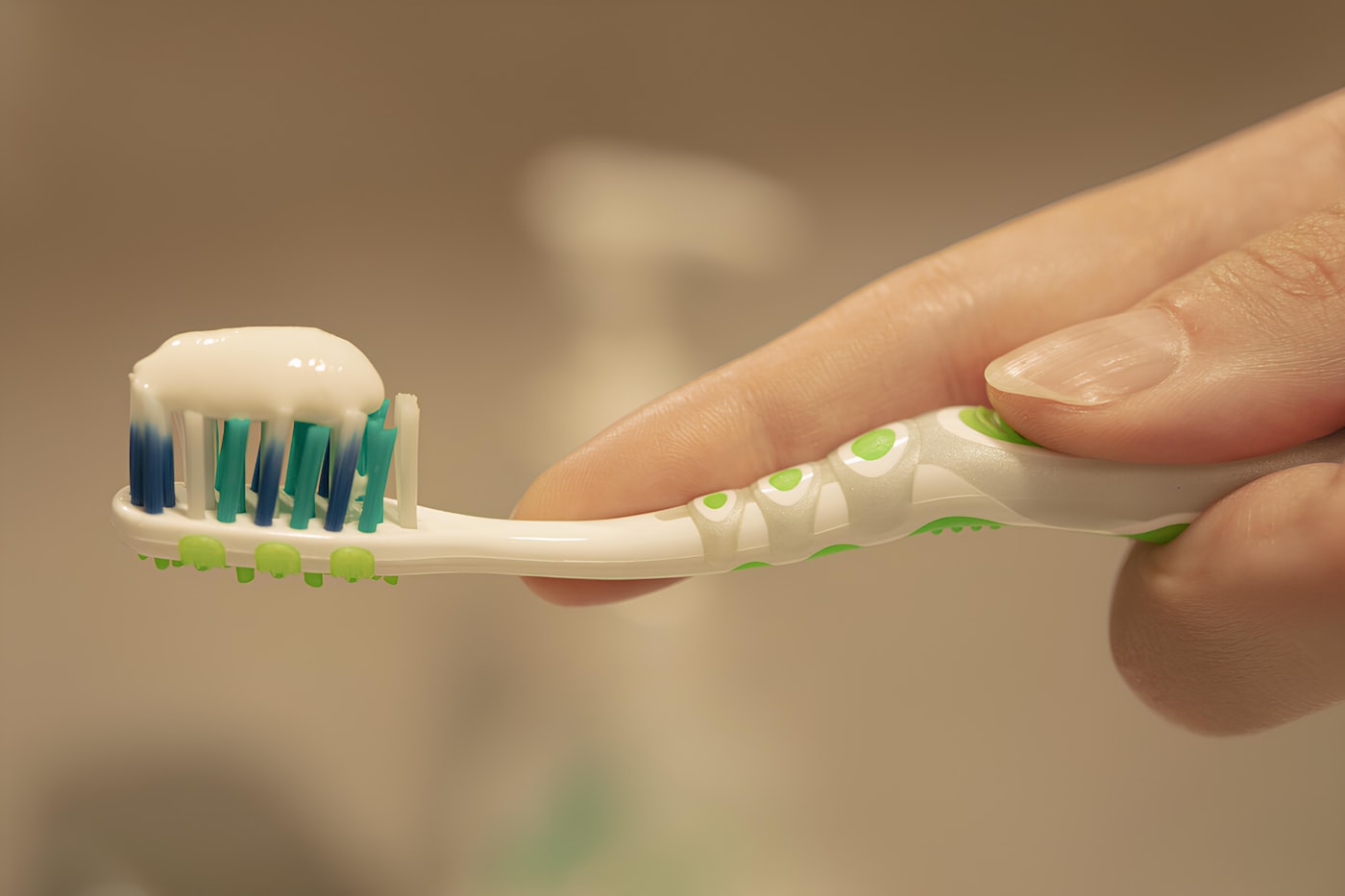
    Desensitising toothpaste helps genuine sensitivity but masks pulp inflammation
    Desensitising toothpaste works on exposed dentine, but it cannot reach inflammation inside the pulp.

    These respond well to desensitising toothpaste, typically within two to four weeks. The important caveat: if the toothpaste is not helping after a month, it is not that kind of sensitivity, and continuing to use it simply delays a diagnosis.

    Two other everyday causes are worth ruling out before assuming the worst. A newly placed filling can leave a tooth reactive for a few weeks while the pulp settles, and whitening treatments commonly produce sharp, short-lived cold sensitivity that resolves on its own.

    Night-time grinding is the one to take seriously, because it wears enamel and stresses teeth at the same time. It is a frequent precursor to the cracks described in our cracked teeth treatment page, and our tips for protecting your natural teeth cover guards and prevention.

    Dentine hypersensitivity vs. pulp inflammation: how to tell them apart
    FeatureDentine hypersensitivityPulpitis
    Number of teethOften several, usually along the gumlineAlmost always one
    Duration after triggerSeconds30 seconds to many minutes
    Spontaneous painNoCommon, especially at night
    Response to heatRarely a triggerOften the worst trigger
    Can you localise it?YesOften not — pain refers to nearby teeth
    Desensitising toothpasteHelps within weeksNo meaningful effect

    Swipe the table sideways to see every column.

    How we work out which tooth it is

    Referred pain makes self-diagnosis unreliable. Upper and lower teeth on the same side share nerve pathways, so an upper molar problem is regularly reported as lower jaw pain.
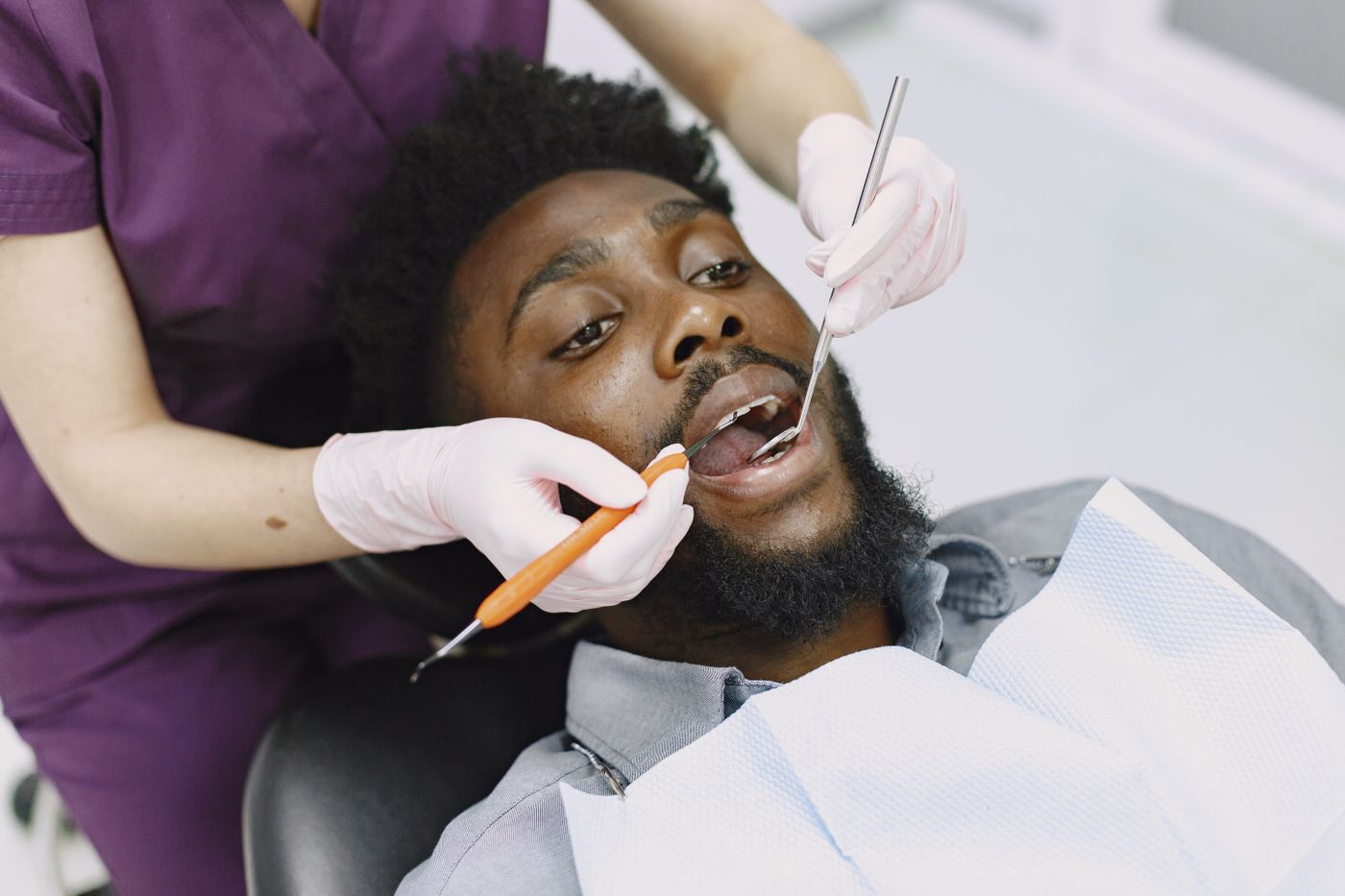
    Cold testing and percussion testing identify which tooth is actually involved
    Testing neighbouring teeth matters as much as testing the suspect one, because pulpal pain refers so readily.

    We test several teeth to establish your normal response, then compare. Cold testing gauges whether the pulp is alive and how it reacts; percussion testing shows whether inflammation has reached the ligament around the root. Our guide to identifying the source of tooth pain covers this in more detail.

    When to stop waiting

    Book an assessment if sensitivity lingers past 30 seconds, if heat has become a trigger, if pain wakes you at night, or if you cannot pinpoint which tooth is responsible. None of those resolve by waiting, and each one gets harder to treat the longer it runs.

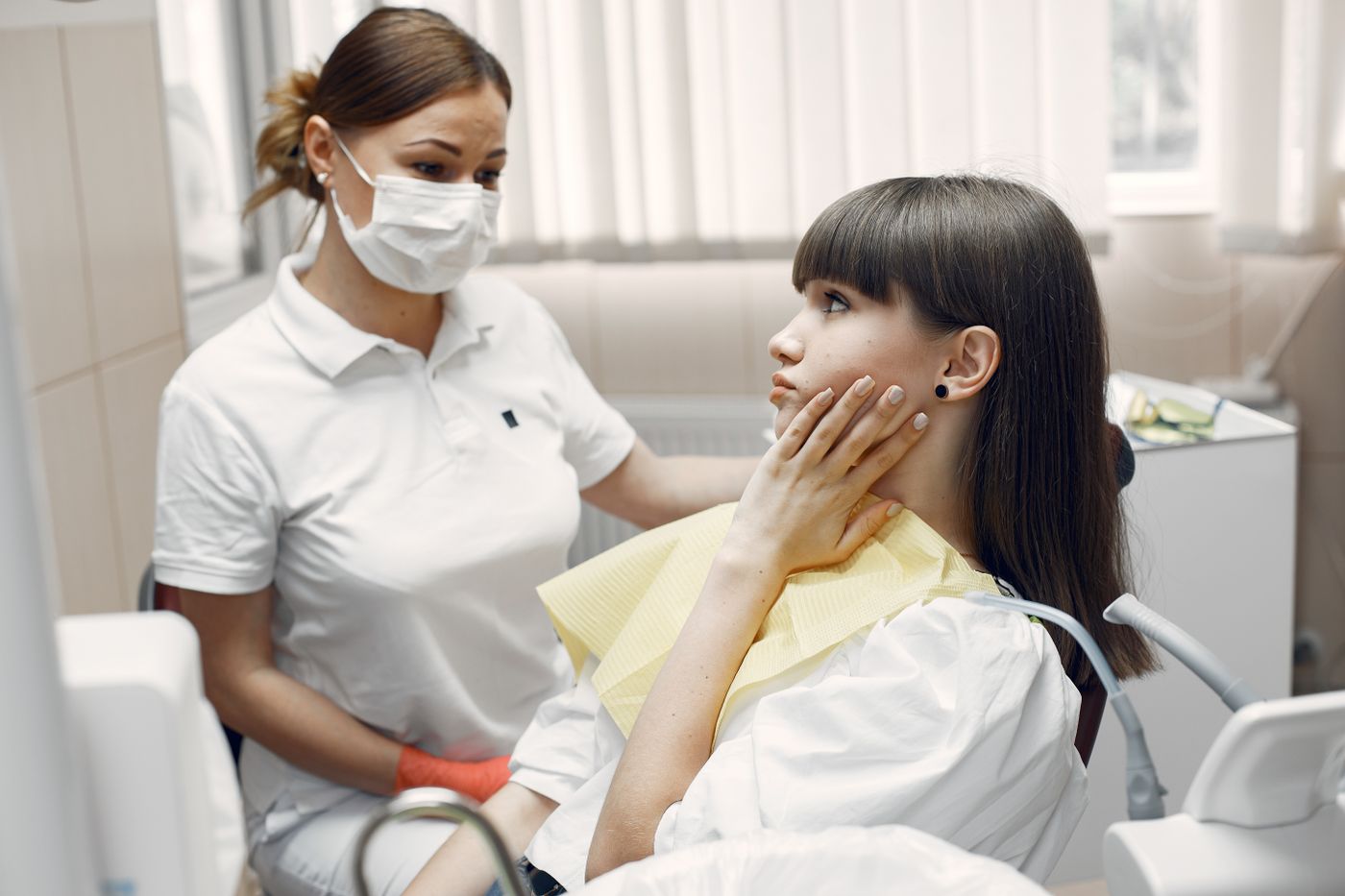
    Sensitivity that lingers well after the cold is gone needs assessment
    Sensitivity that outlasts the ice cream by half a minute is the point at which it stops being ordinary.

    Go sooner if there is swelling, fever, or pain that over-the-counter medication no longer controls — those are covered in the signs that need same-day emergency treatment. If a crack is the suspected cause, which cracked teeth can still be saved explains what determines the outcome.

    What treatment actually changes

    If the pulp is the problem, root canal treatment removes the inflamed tissue and the sensitivity goes with it — there is nothing left inside the tooth to register temperature.

    Treating the cause resolves the sensitivity for good
    Treating the cause resolves the sensitivity for good, rather than managing it indefinitely.

    If it is exposed dentine instead, the fix is smaller and no root canal is involved. Either way the first appointment is diagnostic before anything else — see what to expect at your first visit, or the Merck Manual’s clinical entry on pulpitis for the underlying condition in technical detail.

    Frequently asked questions

    Is hot or cold sensitivity worse?

    Heat sensitivity is the more serious signal. Cold sensitivity is extremely common and often harmless, but pain triggered specifically by heat usually indicates gases expanding inside a pulp that is already dying.

    How long should tooth sensitivity last after cold?

    A second or two. Discomfort that fades almost as soon as the cold is gone suggests reversible inflammation. Anything lingering past roughly 30 seconds points toward irreversible pulpitis.

    Can sensitive toothpaste fix the problem?

    It genuinely helps dentine hypersensitivity from receding gums or worn enamel, usually within two to four weeks. It does nothing for an inflamed pulp — it only masks the warning while the problem advances.

    Why does cold relieve my toothache instead of causing it?

    Relief from cold is a recognised late sign. Once the pulp has become necrotic and pressure has built inside the tooth, cold constricts the tissue and briefly eases that pressure. It needs prompt assessment.

    Have Questions or Ready to Schedule?

    Our team is here to help — call, email, or request an appointment online.
    About this guide. Written for patients of Southeast Endodontics, PC in Charleston, SC. It is general information rather than a diagnosis — sensitivity patterns overlap, and only clinical testing can establish which tooth and which condition are involved.

  • Can a Cracked Tooth Be Saved? The Five Crack Types Explained

    Can a Cracked Tooth Be Saved? The Five Crack Types Explained

    Whether a cracked tooth can be saved comes down to one thing: how far the crack travels. A chip off a cusp and a fracture running down into the root are the same word describing two completely different outcomes.

    Endodontists classify cracks into five types. Knowing which one you have tells you almost everything about the prognosis — so that is where this guide starts.

    Key takeaways

    • The five crack types range from harmless surface lines to fractures that always mean extraction.
    • Craze lines and fractured cusps are highly savable. Split teeth and vertical root fractures usually are not.
    • Pain on releasing a bite, rather than on biting down, is the classic cracked-tooth signal.
    • Most cracks do not show on an X-ray, which is why diagnosis depends on testing rather than imaging.
    • Cracks spread. A tooth that is savable this month may not be in six.

    The five types of cracked tooth

    The five cracked tooth types and whether each can be saved
    Crack typeHow far it runsTypical symptomsCan it be saved?
    Craze linesEnamel only; never reaches dentineNone — purely cosmeticNo treatment needed
    Fractured cuspA piece of the chewing surface breaks away, often beside a large fillingSharp discomfort, sensitivity; rarely severeAlmost always — usually a crown
    Cracked toothVertically from the chewing surface toward the gum, pulp often involvedPain on releasing a bite; temperature sensitivityOften — roughly 80% stay vital after a crown
    Split toothThe crack has separated the tooth into distinct segmentsPersistent pain, obvious mobility of a segmentNot intact — sometimes one root is retained
    Vertical root fractureBegins in the root and travels upward, often silent for yearsVague discomfort, gum swelling near the rootNo — extraction is normally the only option

    Swipe the table sideways to see every column.

    The five crack types are defined by how far the fracture travels
    The five crack types are defined by how deep the fracture runs and whether it reaches the root.

    Our cracked teeth treatment page covers what each type involves clinically. The pattern worth noticing is that prognosis depends entirely on whether the crack has reached the root.

    How to tell what you are dealing with

    The signature symptom is pain on release. Biting wedges the crack open; letting go snaps it shut and pinches the pulp inside for a fraction of a second.

    Sharp pain on releasing a bite is the classic cracked-tooth symptom
    Sharp pain as you release a bite — on something firm rather than soft — is the symptom that most reliably points to a crack.

    Beyond that, the picture is frustratingly vague. Patients often describe discomfort they cannot localise, sensitivity that comes and goes, and pain triggered only by certain foods at certain angles. Symptoms that persist between episodes suggest the pulp is now involved — our guide to what hot and cold sensitivity reveals about the nerve explains how to read that.

    Why your X-ray probably looks normal

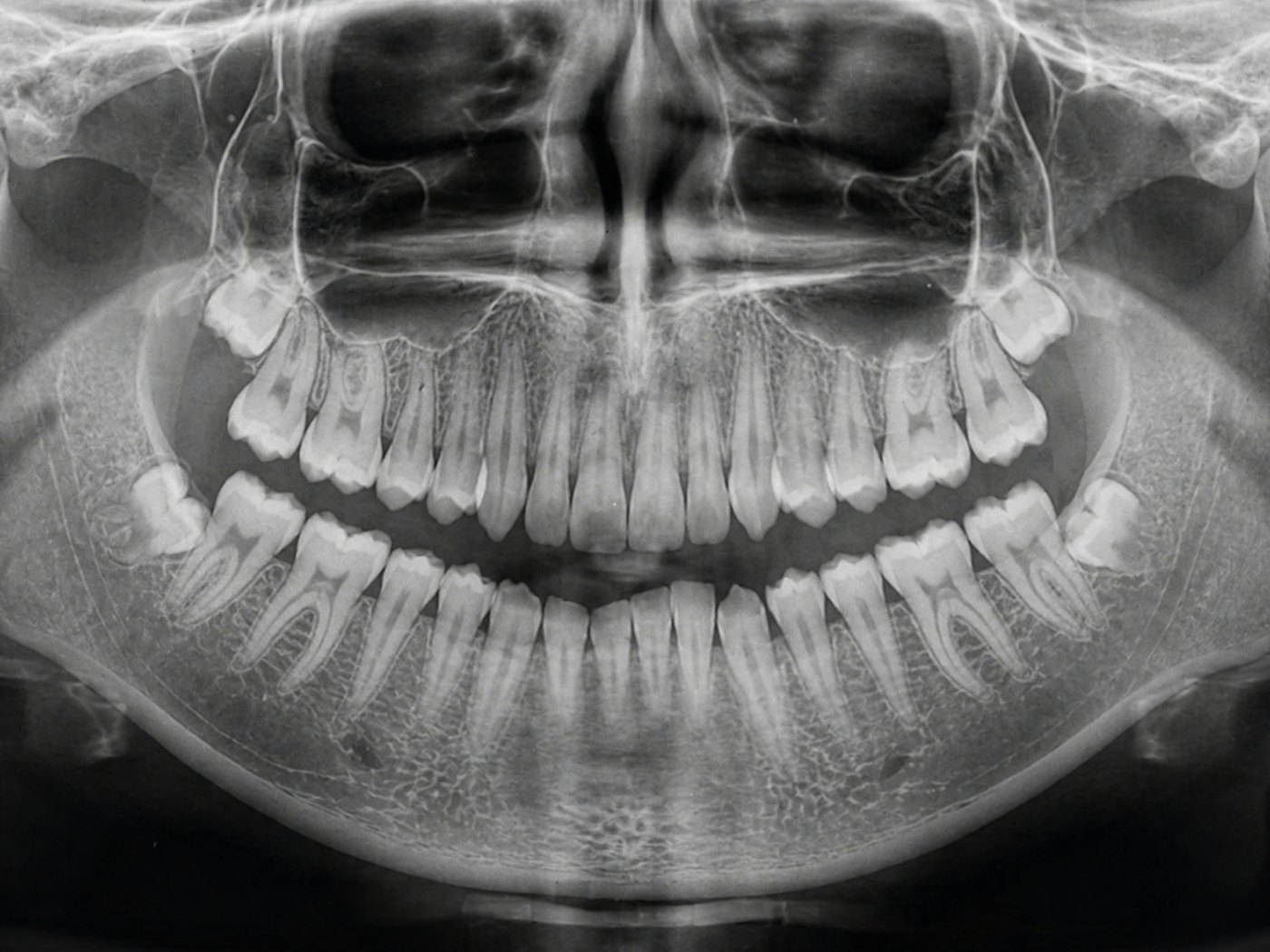
    This is the single most common source of confusion. Most cracks run in the same plane as the X-ray beam, so there is nothing for the film to capture.

    Most cracks do not show on a standard X-ray, which is why testing matters
    A crack running parallel to the X-ray beam is effectively invisible on film, which is why testing matters more than imaging here.

    Diagnosis therefore relies on physical testing:

    • Bite testing on individual cusps to find which one reproduces the pain.
    • Transillumination — shining light through the tooth, where a crack interrupts the glow.
    • Dye staining to make a fine crack visible.
    • Magnification under a microscope, which reveals cracks invisible to the naked eye.
    • 3D imaging in selected cases, which can show bone loss patterns typical of a root fracture.

    Treatment by crack type

    What treatment each crack type usually requires
    Crack typeUsual treatmentRoot canal needed?Typical outlook
    Craze linesNone; whitening or bonding if cosmetically bothersomeNoExcellent
    Fractured cuspCrown, occasionally an onlayOnly if the pulp is exposedExcellent
    Cracked toothCrown; root canal first if the pulp is involvedFrequentlyGood if treated before the crack extends
    Split toothExtraction, or removal of one root in a molarIf a segment is retainedGuarded
    Vertical root fractureExtractionNo — treatment will not holdPoor

    Swipe the table sideways to see every column.

    A full-coverage crown holds a cracked tooth together under chewing load
    A full-coverage crown works by redirecting chewing forces so they no longer drive the crack deeper.

    A crown is not cosmetic here. It binds the tooth so that biting forces are redirected around the crack instead of driving it deeper, which is why a temporary filling is not an adequate substitute.

    Where the pulp is involved, the sequence matters: root canal treatment first, then the crown, and the crown should not be delayed. If a previously treated tooth cracks, endodontic retreatment or endodontic surgery may be considered, though a crack changes that calculation considerably.

    Why waiting makes the decision for you

    Cracks propagate. Every bite drives the fracture fractionally further, and the direction of travel is always toward the root.

    An endodontist checking which cusp reproduces the pain on biting
    Identifying which cusp reproduces the pain is often more informative than any image.

    That is what makes this genuinely time-sensitive. A cracked tooth treated promptly is often a crown and nothing more. The same tooth six months later can be a split tooth — and by then the choice has been made for you. If pain becomes severe or swelling appears, see which symptoms need same-day emergency care.

    Sensible prevention helps too: our tips for protecting and saving your natural teeth covers night guards for grinding, which is the most common underlying cause we see.

    Getting a straight answer about your tooth

    Assessing a crack is exactly the kind of judgement general dentists refer for — the question is not what treatment exists but whether it will hold. See why an endodontist is the right specialist for a cracked tooth.

    Discussing the prognosis before committing to treatment
    A prognosis should come with a realistic likelihood attached, not just a treatment plan.

    If the answer is that it cannot be saved, the alternatives to a root canal and what each costs long term lays out what comes next. Cleveland Clinic’s overview of cracked and fractured teeth is a solid independent reference. You can also contact our Charleston endodontic office directly.

    Frequently asked questions

    Can a cracked tooth heal on its own?

    No. Unlike bone, tooth structure has no capacity to repair itself. A crack can only be stabilised from the outside, usually with a crown that holds the segments together under chewing load.

    Why does my cracked tooth hurt when I let go of a bite rather than when I bite down?

    Biting wedges the crack open and releasing lets it snap shut, which momentarily pinches the pulp inside. That release pain is the most characteristic symptom of cracked tooth syndrome.

    Will an X-ray show my cracked tooth?

    Usually not. Most cracks run in the same plane as the X-ray beam and are invisible on a standard film. Diagnosis relies on bite testing, transillumination, dye and magnification instead.

    How much does it cost to save a cracked tooth?

    A crown alone typically runs $1,000–$2,500. If the pulp is involved, add root canal treatment at roughly $700–$1,500. Both together still usually cost less over ten years than extraction and an implant.

    Have Questions or Ready to Schedule?

    Our team is here to help — call, email, or request an appointment online.
    About this guide. Written for patients of Southeast Endodontics, PC in Charleston, SC. Crack classification follows the five categories used by the American Association of Endodontists. Costs are US averages, not a quote, and only an examination can determine which crack type you have.

  • Emergency Root Canal in Charleston: When Tooth Pain Cannot Wait

    Emergency Root Canal in Charleston: When Tooth Pain Cannot Wait

    Tooth pain that arrives suddenly and refuses to settle is one of the few dental problems that genuinely cannot wait. The difficulty is knowing whether you need an appointment this week, this morning, or a hospital right now.

    Go to an emergency room immediately if you have swelling spreading toward your eye or down your neck, difficulty breathing or swallowing, a fever above 101°F with facial swelling, or you cannot open your mouth.

    These signal an infection moving beyond the tooth. A hospital can stabilise your airway and the infection — dental treatment follows afterwards.

    Key takeaways

    • Pain that wakes you at night, lingers after hot or cold, or builds without a trigger means the pulp is inflamed beyond recovery.
    • Swelling changes the picture entirely — facial swelling is same-day, spreading swelling is the emergency room.
    • Pain disappearing is not recovery. It usually means the nerve has died and infection is moving into the bone.
    • Antibiotics alone will not fix it. They cannot reach inside a canal that has lost its blood supply.

    Six signs you need urgent endodontic care

    • Spontaneous, throbbing pain that starts with no trigger — particularly at night.
    • Lingering temperature sensitivity. Pain that continues more than 30 seconds after the hot or cold is gone.
    • Sharp pain on biting or when you release the bite.
    • A bump or pimple on the gum near the tooth, which may taste unpleasant if it drains.
    • Facial or gum swelling, even without much pain.
    • The tooth has darkened compared with its neighbours.
    Throbbing tooth pain that wakes you at night is a red-flag symptom
    Pain that reliably wakes you at night is one of the most reliable indicators that the pulp will not recover on its own.

    How urgent is your symptom?

    Dental symptoms ranked by urgency, and what to do about each
    SymptomUrgencyWhat to do
    Swelling spreading to eye, neck or throat; trouble swallowingEmergency room nowGo to hospital. Airway and infection first, tooth second.
    Facial swelling with feverSame dayCall an endodontist first thing; expect drainage and antibiotics.
    Severe throbbing pain waking you at nightSame dayCall for an urgent appointment. Pain relief comes from treating the pulp.
    Knocked-out or displaced adult toothWithin the hourKeep it moist in milk or saliva — never scrub the root.
    Lingering hot/cold pain over 30 secondsWithin daysBook an assessment before it becomes an emergency.
    Brief sensitivity that fades in secondsRoutineMention it at your next check-up; often reversible.

    Swipe the table sideways to see every column.

    A knocked-out or displaced tooth follows a different protocol entirely — our page on treating traumatic dental injuries covers what to do in the first hour, which largely determines whether the tooth survives.

    What is actually happening inside the tooth

    The pulp sits inside rigid walls of dentine with nowhere to expand. When it becomes inflamed, pressure builds against the nerve with no release, which is why the pain is disproportionate to the size of the problem.

    Facial swelling alongside tooth pain is an emergency warning sign
    Swelling means the infection has left the tooth and entered surrounding tissue — the point at which urgency changes.

    Left alone, the pulp dies and bacteria push out through the root tip into the bone, forming an abscess. That is the stage where swelling appears — and where a manageable problem becomes a spreading one.

    What to do before your appointment

    1. Call for an appointment first — everything else is holding measures.
    2. Take ibuprofen if you can, following the packet, since it targets inflammation rather than only pain.
    3. Sleep propped up on extra pillows to reduce pressure in the head.
    4. Use a cold compress on the outside of the cheek, twenty minutes on and twenty off.
    5. Keep eating on the other side and avoid extremes of temperature.
    A cold compress can ease swelling while you wait for your appointment
    A cold compress against the outside of the cheek reduces swelling; heat does the opposite.
    Home measures for severe tooth pain: what helps and what makes it worse
    MeasureHelps?Why
    Cold compress on the cheekYesReduces swelling and dulls the nerve signal
    Ibuprofen (if suitable for you)YesTargets the inflammation driving the pressure
    Sleeping propped upYesLowers blood pressure in the head at night
    Heat pad on the faceNoIncreases blood flow and can spread infection
    Aspirin held against the gumNoChemically burns the gum tissue; does nothing for the pulp
    Leftover antibioticsNoCannot reach inside the canal and encourages resistance

    Swipe the table sideways to see every column.

    What an emergency appointment involves

    We test the surrounding teeth first, because pain frequently refers from one tooth to another and treating the wrong one is easy. Focused imaging then shows the state of the root and bone.

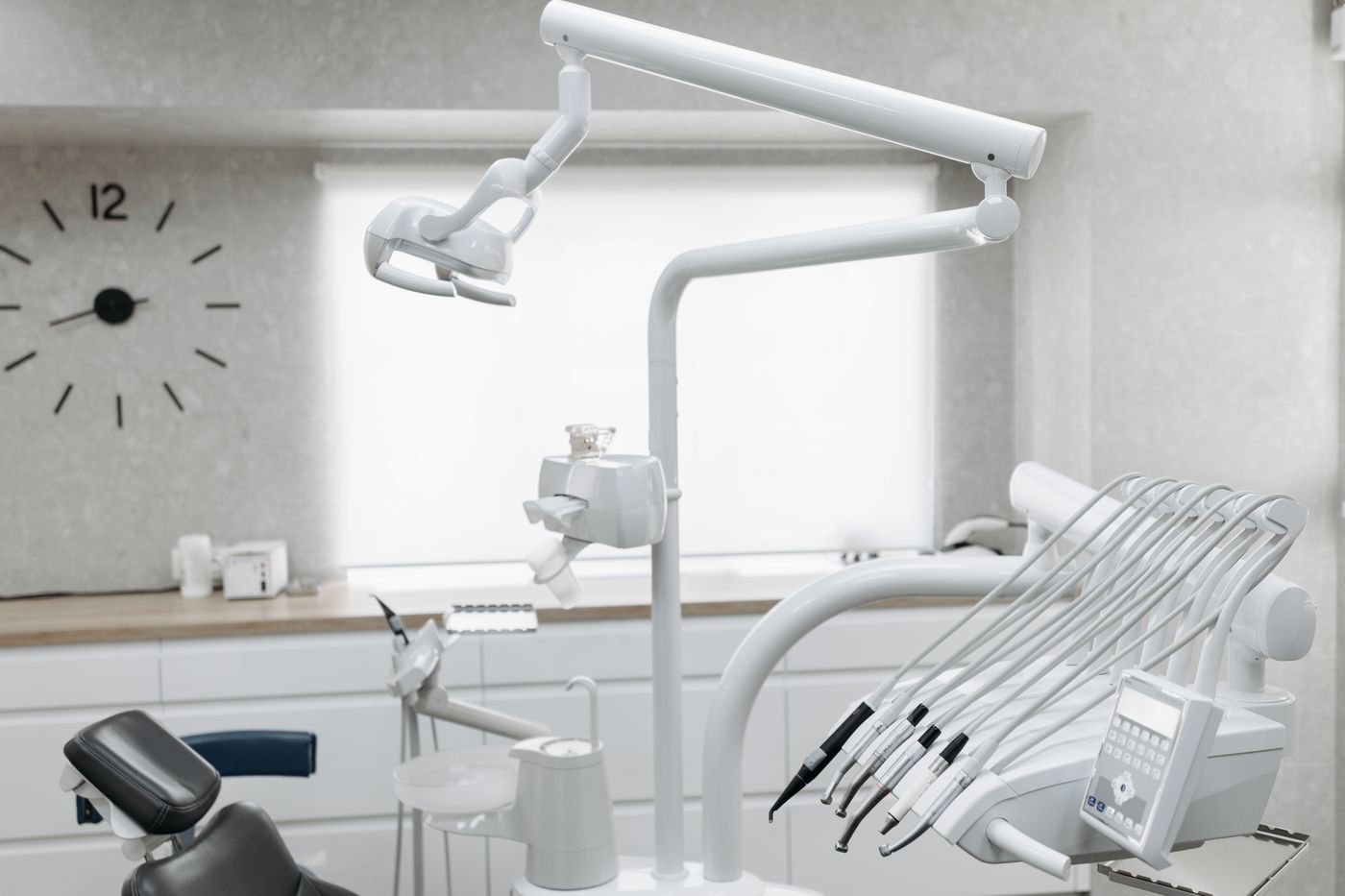
    A treatment room prepared for a same-day emergency root canal
    Same-day treatment starts with identifying which tooth is genuinely responsible — referred pain is common.

    Getting you numb is the priority. An acutely inflamed pulp is harder to anaesthetise, so we use techniques suited to hot teeth — and sedation options for anxious or difficult cases are available, including nitrous oxide for mild sedation.

    Most patients notice relief as soon as pressure is released from the canal. Our after-treatment instructions and recovery FAQ covers the days that follow.

    Getting seen in Charleston

    If you have pain or an emergency, every attempt is made to see you the same day. Call the office as early as you can, and say clearly that you are in acute pain or have swelling, so the call is triaged correctly.

    Calling an endodontist the same morning symptoms turn severe
    Calling early in the day gives the best chance of a same-day slot — urgent capacity fills fast.

    You do not need a referral to be seen, though bringing recent X-rays helps. See our Charleston office location and contact details, or how appointment scheduling works. The ADA’s guidance on handling dental emergencies is a useful reference to keep on hand.

    Southeast Endodontics serves emergency patients across the Charleston area
    Southeast Endodontics treats urgent referrals from across the Charleston area, including West Ashley, James Island and Mount Pleasant.

    Frequently asked questions

    Can a root canal be done the same day?

    Often, yes. If the diagnosis is clear and the tooth is accessible, treatment can usually start at the same visit. Where there is significant swelling we may drain the infection and start antibiotics first, then complete treatment once it settles.

    Should I go to the ER for tooth pain?

    A hospital can manage swelling, infection and pain, but cannot treat the tooth. Go to the ER for swelling spreading toward the eye or throat, difficulty breathing or swallowing, or a fever above 101°F. For pain alone, an endodontist is the faster route to a fix.

    Why does my tooth hurt more at night?

    Lying flat increases blood pressure in the head, which raises pressure inside an already inflamed pulp. Fewer distractions make it more noticeable too. Pain that reliably wakes you is a classic sign of irreversible pulpitis.

    Will antibiotics clear it up without treatment?

    Antibiotics can reduce swelling and buy time, but they cannot reach bacteria inside the canal system, which has no blood supply left to carry the drug in. Symptoms return once the course finishes unless the tooth is treated.

    Have Questions or Ready to Schedule?

    Our team is here to help — call, email, or request an appointment online.

    About this guide. Written for patients of Southeast Endodontics, PC in Charleston, SC. It is general information, not medical advice — if you are worried about swelling, breathing or a fever, seek care immediately rather than reading further. Related: what hot and cold sensitivity means and your options if the tooth cannot be saved.