10-E Farmfield Avenue, Charleston, SC 29407

235-213-0595

Tag: endodontics

  • GentleWave vs. Traditional Root Canal: Cost, Comfort and Results

    GentleWave vs. Traditional Root Canal: Cost, Comfort and Results

    If your endodontist has offered the GentleWave Procedure, the useful question is not whether the technology is impressive — it is whether it changes anything that matters to you as a patient.

    Here is what actually differs between GentleWave and a conventional root canal, what it costs, and the cases where conventional treatment remains the better choice.

    Key takeaways

    • Both approaches do the same job: remove infected pulp tissue, disinfect the canal system, and seal it.
    • The difference is how the canals are cleaned — mechanical files versus a fluid vortex that reaches spaces files cannot.
    • The practical patient benefits are usually fewer appointments and less post-operative soreness.
    • It costs more, mostly because insurers have no separate code for it. It is also not suitable for every tooth.

    The difference in one paragraph

    A conventional root canal cleans the canal by mechanically enlarging it with a sequence of fine files, then rinsing with disinfectant. GentleWave keeps the fluid itself in constant motion using acoustic energy, so the disinfectant reaches the branches and side canals that files physically cannot enter.

    Side-by-side comparison

    GentleWave vs. traditional root canal treatment: what actually differs
    FactorTraditional root canalGentleWave Procedure
    How canals are cleanedSequence of mechanical files, then irrigationFiles used minimally; a circulating fluid vortex does the cleaning
    Reaches side canalsLimited — files only follow the main canalYes — fluid travels into branches files cannot enter
    Tooth structure removedMore, to make room for the filesLess, because the canal need not be widened as much
    Typical appointmentsOften two visitsUsually completed in one
    Post-operative sorenessCommon for a few daysFrequently milder, though not eliminated
    Cost to patientStandard endodontic feeStandard fee plus a technology premium
    Insurance treatmentCovered as normalRoot canal covered; premium usually out of pocket
    Suitable for every toothYesNo — needs enough structure to seal the platform

    Swipe the table sideways to see every column.

    Why cleaning the canal is the hard part

    A molar root canal is not a single tube. It is a branching network with side canals, connecting passages and a fine mesh at the root tip, and the whole system has to be disinfected for treatment to hold.

    High magnification lets an endodontist see canal anatomy conventional tools miss
    Magnification reveals canal anatomy that is invisible to the naked eye — and much of it is too fine for any file to enter.

    Files can only follow the main canal. Everything branching off it depends on the irrigant reaching in on its own — which, in still fluid, it does poorly. This is the gap the technology is designed to close, and it is the same reason thorough root canal treatment is a specialist procedure rather than a routine one.
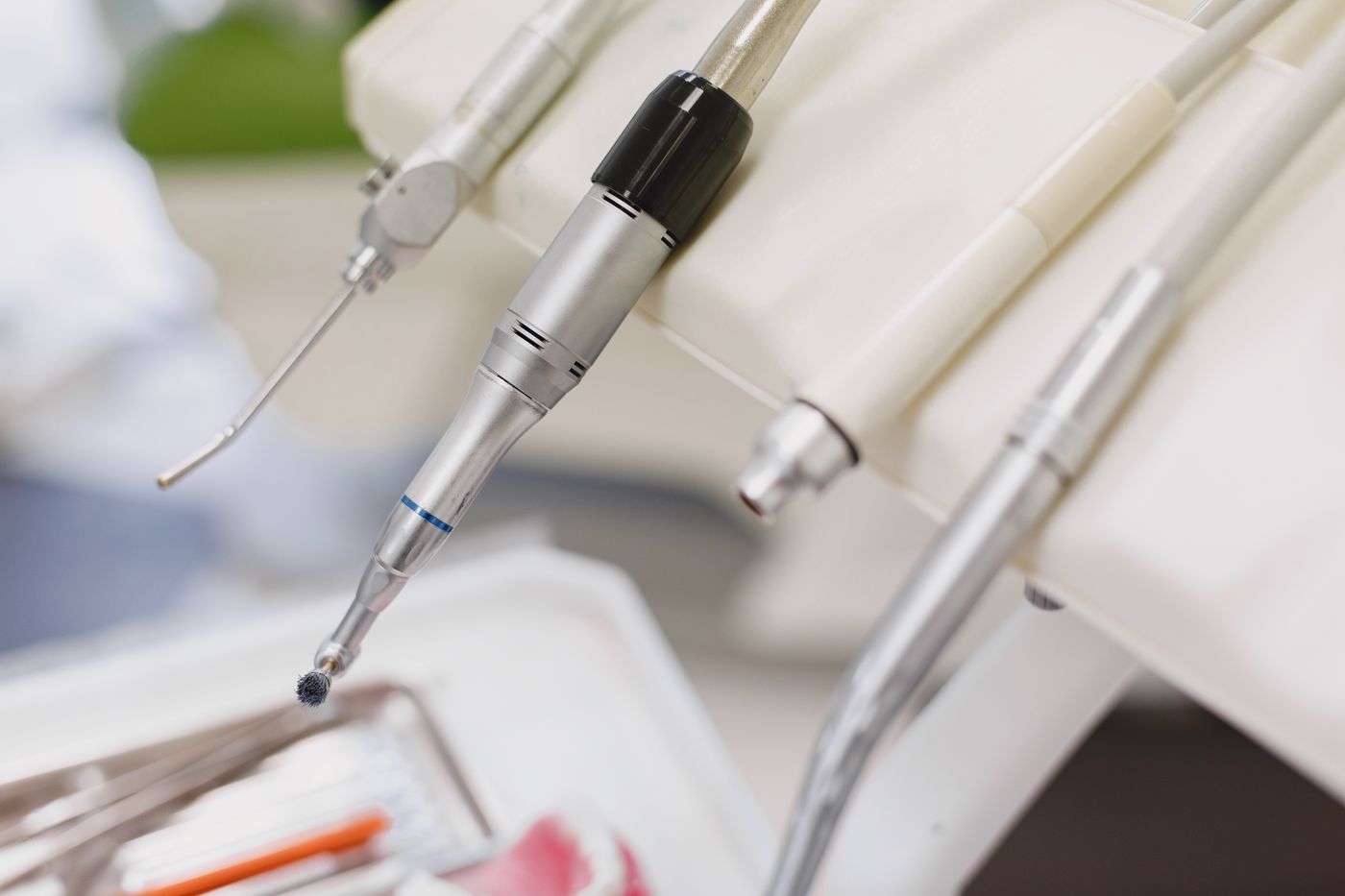
    Conventional root canal treatment relies on mechanical files to shape each canal
    Conventional treatment shapes each canal with a graded sequence of files before disinfecting it.

    How GentleWave works

    A sealed platform is placed over the tooth and filled with disinfecting fluid. The handpiece then generates a vortex with acoustic energy, circulating that fluid throughout the entire canal system at once rather than one canal at a time.

    GentleWave cleans the canal system with a fluid vortex rather than files alone
    Acoustic energy keeps the disinfectant in continuous motion, carrying it into spaces an instrument cannot reach.

    Because the fluid does the cleaning, far less of the canal wall has to be cut away to make room for instruments — which leaves more of your natural tooth intact. That matters years later, since a tooth that keeps more of its own structure is a tooth less likely to fracture under load.
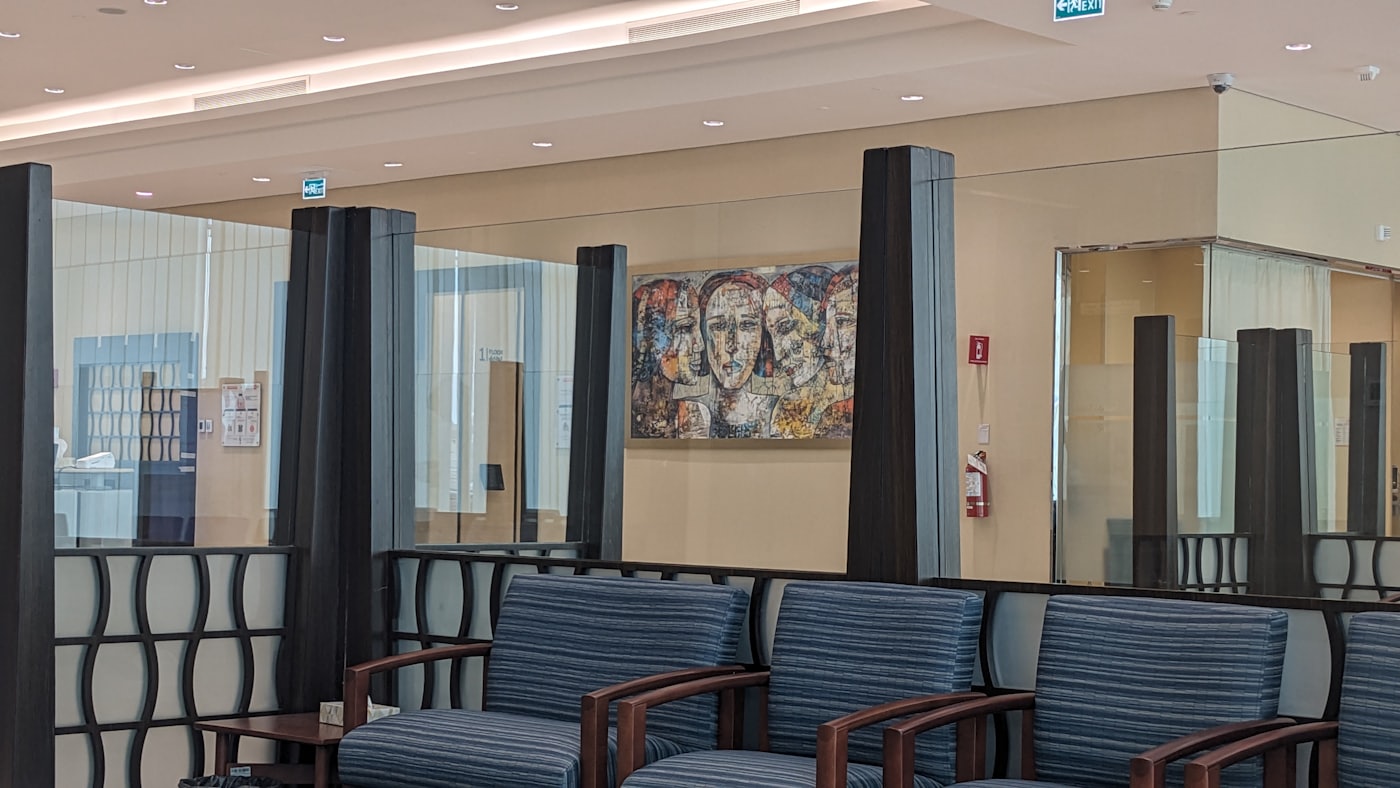
    An operatory equipped for advanced endodontic care
    The system is one part of a wider setup — magnification and 3D imaging do as much for the outcome as the irrigation itself.

    No single piece of equipment carries a case on its own. Our page on the technology used in our Charleston practice covers what else is involved, and the GentleWave treatment overview explains the procedure step by step.

    What it costs, and why

    Expect a premium of a few hundred dollars over a conventional root canal. The reason is administrative rather than clinical: insurers reimburse a root canal under one code and have not created a separate one for this technology, so the difference falls to the patient.

    Fewer appointments means less time away from work and family
    For patients travelling in or taking time off work, collapsing two visits into one is often the deciding factor.
    What you pay, and what insurance typically does with it
    ItemTraditionalGentleWave
    Root canal feeBilled under standard endodontic codeSame code, same fee
    Technology premiumNoneCommonly a few hundred dollars, usually out of pocket
    Crown afterwardsNearly always neededNearly always needed
    Second appointmentOften requiredUsually avoided — saves a day off work

    Swipe the table sideways to see every column.

    Ask for a written estimate before treatment. Our notes on dental insurance and endodontic coverage and the office policy and fees page set out how we handle this.

    When conventional treatment is the better choice

    The system needs a sealed platform over the tooth to hold the fluid under controlled pressure. Where that seal cannot be achieved reliably, conventional treatment is more predictable:

    Any endodontist recommending it for every single tooth is overselling it. The honest position is that it is an excellent default with a real list of exceptions.

    What it is like as a patient

    You are numb either way, and the appointment runs much as any root canal does. The audible difference is less of the high-pitched drilling associated with files.

    Most GentleWave cases are completed in a single appointment
    From the chair, the two procedures feel broadly similar — the differences show up afterwards.

    Afterwards, most patients report milder soreness, largely because less instrumentation means less irritation at the root tip. See how to prepare before endodontic treatment and what happens at your first visit. Sonendo publishes its own comparison of standard treatment and the GentleWave Procedure if you want the manufacturer’s detail.

    Frequently asked questions

    How much more does GentleWave cost than a traditional root canal?

    Most practices charge a premium of a few hundred dollars, largely because insurers have not yet created a separate billing code for it. In Sonendo’s own survey, 81% of respondents said they would pay at least $250 more for it.

    Does insurance cover the GentleWave procedure?

    Insurance covers the root canal itself at your usual endodontic rate. The technology premium is typically an out-of-pocket difference rather than a covered item — ask for a written estimate before treatment.

    Is GentleWave painful?

    No more than a conventional root canal, and often less afterwards. The tooth is fully anaesthetised either way. Because less mechanical filing is needed, post-operative soreness is frequently milder.

    Can every tooth be treated with GentleWave?

    Most can, but not all. The system needs a sealed platform to hold the fluid, so teeth with very little structure left, certain fractures, or some retreatment cases are better handled conventionally.

    Have Questions or Ready to Schedule?

    Our team is here to help — call, email, or request an appointment online.

    About this guide. Written for patients of Southeast Endodontics, PC in Charleston, SC. Southeast Endodontics has no financial relationship with Sonendo beyond purchasing the equipment. Costs are general ranges rather than a quote — ask for a written estimate for your specific tooth.

  • Root Canal Alternatives: Your Real Options, Honestly Compared

    Root Canal Alternatives: Your Real Options, Honestly Compared

    If your dentist has said you need a root canal, wanting to know what else is possible is a reasonable reaction. Search the question and you mostly find pages selling the procedure, or pages selling something instead of it.

    This guide does neither. Here are the options that genuinely exist, what each costs over ten years rather than on the day, and the cases where our Charleston endodontists will tell you the tooth is better out than saved.

    Key takeaways

    • Four real alternatives exist: extraction alone, extraction plus an implant, extraction plus a bridge, and — only if caught early — pulp capping.
    • Extraction is cheapest on the day and usually dearest over ten years, because the gap still has to be dealt with.
    • “Doing nothing” is not on the list. An infected pulp does not heal on its own.
    • Sometimes extraction genuinely is the better call — we name those situations below.

    What a root canal is actually replacing

    The pulp is the soft tissue at the centre of your tooth, carrying its nerve and blood supply. When decay, a deep filling or a crack lets bacteria reach it, the pulp becomes inflamed — and past a certain point that inflammation is irreversible.

    A dentist reviewing a dental X-ray to assess whether a tooth can be saved
    Imaging shows the extent of infection and how much sound tooth is left to build on — the two facts that drive the decision.

    Only two outcomes remain: remove the pulp and keep the tooth, or remove the tooth. Every “alternative” is a variation on one of those. Our page on the anatomy of the tooth and what the pulp does makes the rest easier to follow, and what root canal treatment actually involves covers the procedure itself.

    Your five options compared

    Root canal vs. the four alternatives: cost, longevity and what you keep
    OptionWhat actually happensTypical US costKeeps natural toothTypical lifespan
    Root canal + crownInfected pulp removed, canals cleaned and sealed, crown placed to protect the tooth$1,500–$3,000Yes86–95% still functioning at 7 years
    Extraction onlyTooth removed, gap left open$150–$600NoPermanent gap; neighbours drift over years
    Extraction + implantTitanium post placed in bone, crown fitted after healing$3,150–$6,600NoAround 90% survival at 7 years
    Extraction + bridgeTwo neighbouring teeth crowned to carry a false tooth$2,000–$5,000NoCommonly 10–15 years
    Pulp cappingMedicated dressing placed over an exposed but still-healthy pulp$200–$500YesOnly before the pulp is irreversibly inflamed

    Swipe the table sideways to see every column.

    Extraction on its own

    Pulling the tooth ends the problem the same day and costs least up front. That is a genuine advantage, worth stating plainly.

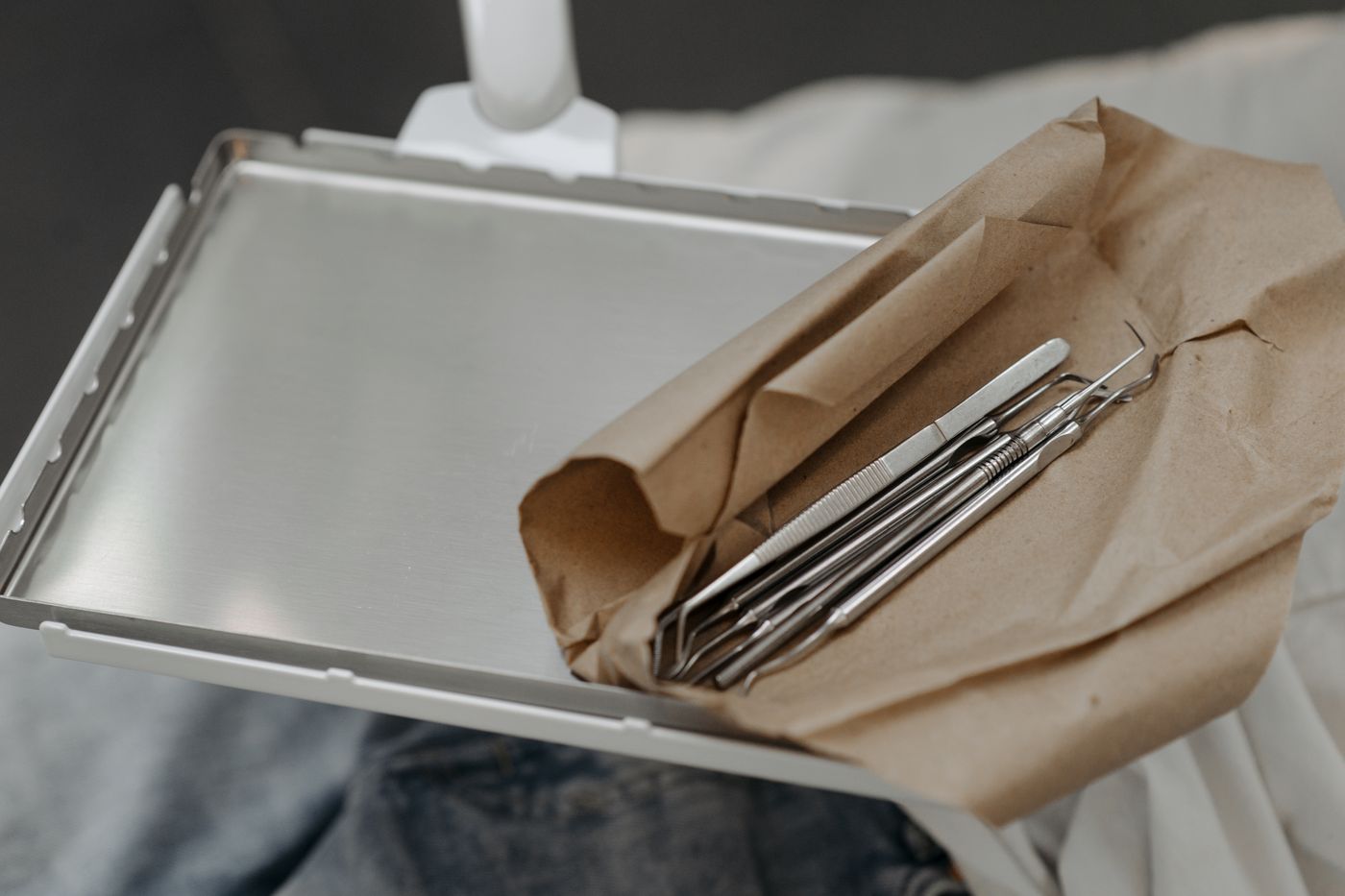
    A sterile tray of dental instruments prepared for a tooth extraction
    Extraction is the fastest route to being pain-free — and the one that leaves the most to deal with afterwards.

    What it leaves is a gap. Teeth either side drift into it, the opposing tooth drops toward the space, and the bone that held the root resorbs. A wisdom tooth is the common exception — often removed with no replacement and no consequence.

    Replacing the tooth: implant or bridge

    An implant is the closest functional replacement dentistry offers. The trade-offs are time and candidacy: several months from extraction to final crown, sometimes a bone graft first, and reduced success rates with smoking or uncontrolled diabetes.

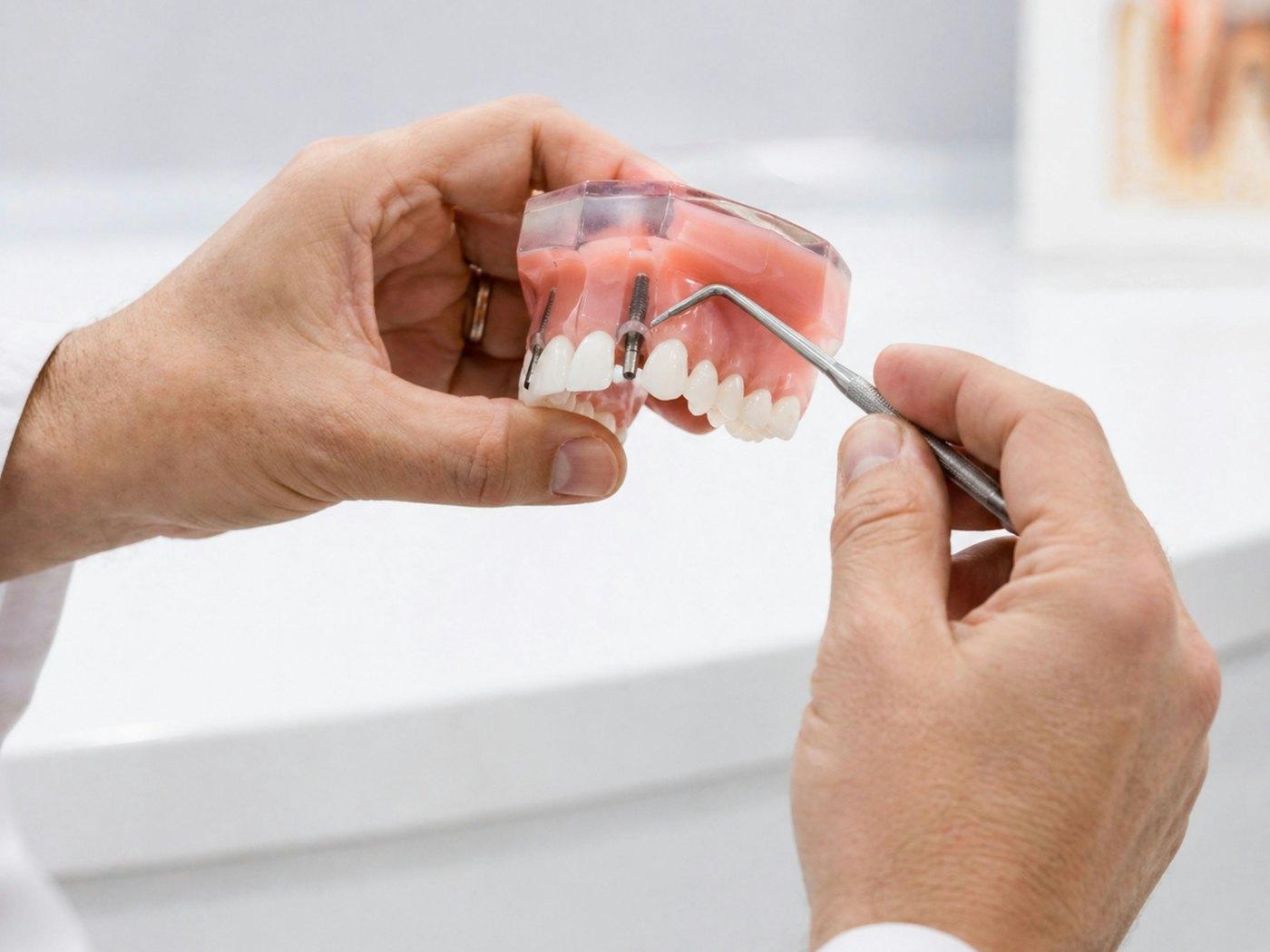
    A dental implant model showing how an extracted tooth is replaced
    An implant replaces the root as well as the crown, which is why it preserves bone better than a bridge.

    A bridge fills the gap in weeks and needs no surgery. Its cost is biological rather than financial — both neighbouring teeth get filed down to carry it, even if they were perfectly healthy, and if one fails the whole bridge fails.

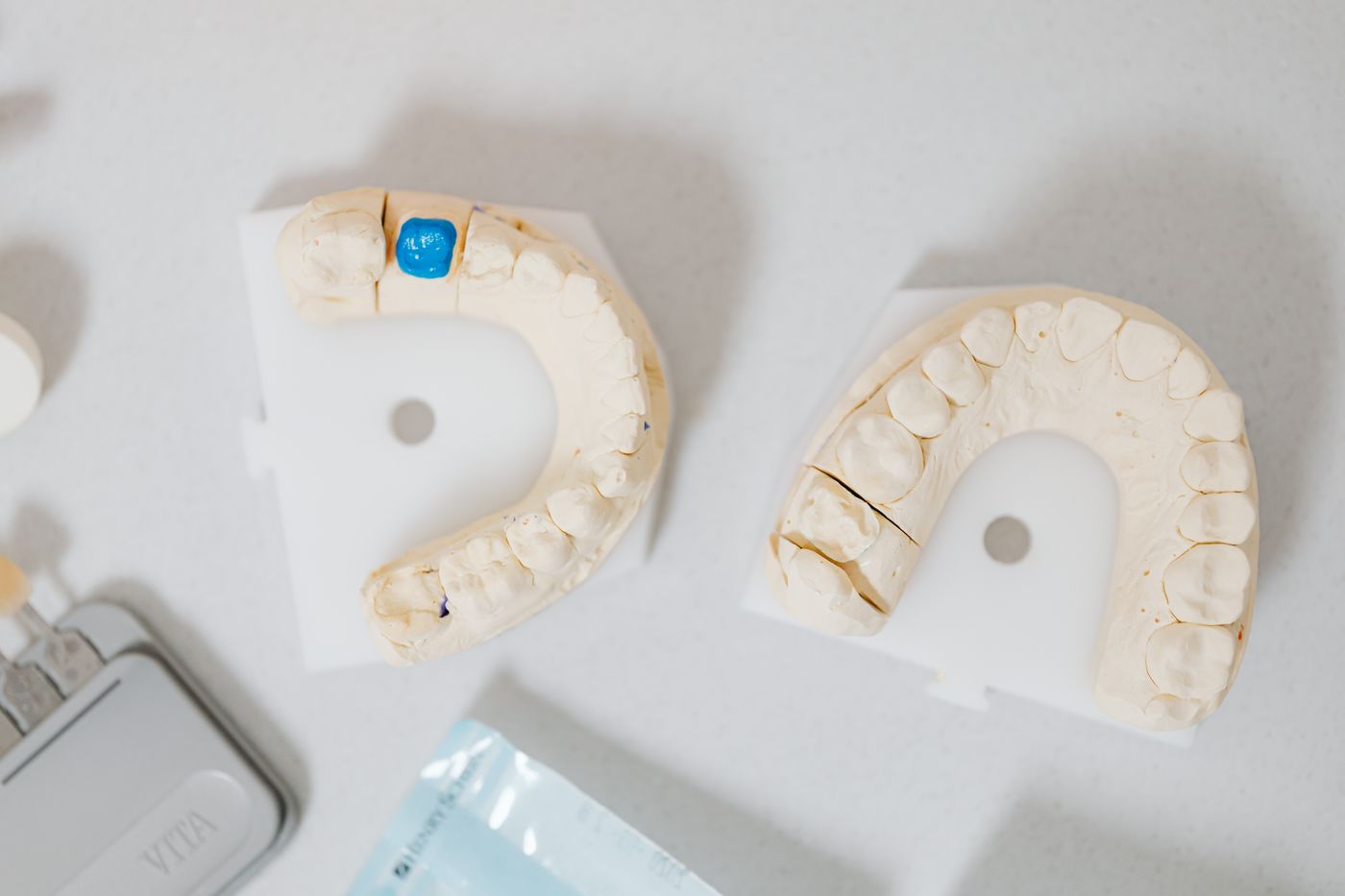
    Ceramic crown and bridge models used to replace a missing tooth
    A bridge is quicker than an implant, but the two supporting teeth pay for it.

    Pulp capping, if you have caught it early

    If decay has only just reached a still-healthy pulp, a medicated dressing and a good seal can let it settle, and no root canal is needed.

    The catch is timing. Once inflammation is irreversible, capping only delays things. Our guide to what hot and cold sensitivity tells you about the nerve explains exactly where that line falls.

    What about doing nothing?

    This is the option people quietly choose most often, usually once the pain stops. Pain easing generally means the nerve has died — not that the tooth recovered.

    Bacteria remain and work outward into the jawbone, forming an abscess. If that reaches facial swelling or fever you are no longer choosing between treatments: see the warning signs that mean you need same-day emergency care.

    The ten-year cost comparison

    Day-one prices are the reason extraction looks economical. Ten-year totals usually reverse the ranking, because the gap eventually has to be addressed one way or another.

    Comparing the long-term cost of a root canal against extraction and replacement
    Day-one prices make extraction look cheap. Ten-year totals are what should drive the decision.
    What each route typically costs over ten years
    RouteUp frontLikely follow-on cost10-year total
    Root canal + crown$1,500–$3,000Usually none; occasional retreatment$1,500–$4,000
    Extraction + implant + crown$150–$600Implant, abutment, crown, possible graft$4,800–$8,000
    Extraction + bridge$150–$600Bridge, plus likely replacement at 10–15 years$2,500–$5,500
    Extraction, no replacement$150–$600Drifting, over-eruption, later restorative workUnpredictable

    Swipe the table sideways to see every column.

    A patient smiling after keeping her natural tooth with root canal treatment
    The American Association of Endodontists puts it simply: nothing looks, feels or functions quite like a natural tooth.

    Coverage varies more than people expect, and most plans file endodontic and surgical work under different categories. See how dental insurance applies to endodontic treatment and our payment and financial policy for treatment.

    When extraction genuinely is the better choice

    Most articles on this topic never reach this section. They should — a root canal on a tooth that cannot be restored afterwards is money spent twice. We will recommend extraction when:

    Working out whether a tooth is realistically savable is exactly why general dentists refer to a specialist. At your consultation we test the tooth, image it, and give you a straight prognosis — see what to expect at your first visit, or read the American Association of Endodontists’ comparison of root canal treatment and extraction.

    Frequently asked questions

    Is there a natural alternative to a root canal?

    No. Once the pulp is irreversibly inflamed, no supplement, oil or rinse reverses it — the tissue cannot recover its blood supply. Ozone and medicated dressings only buy time on a tooth that still needs treatment.

    Is it cheaper to pull a tooth than have a root canal?

    On the day, yes: roughly $150–$600 against $700–$1,500 before the crown. Over ten years it usually reverses, because the gap still has to be filled.

    How long does a root canal last compared with an implant?

    Both do well — around 86–95% for initial root canal treatment and about 90% for implants at roughly seven years. The difference is what happens if one fails: a root canal can often be retreated, while a failing implant usually comes out.

    Can I leave the tooth alone if it stops hurting?

    Pain stopping usually means the nerve has died, not that the tooth recovered. Bacteria stay in the canal and work out through the root tip into the bone. That is how a quiet tooth becomes a swollen face weeks later.

    Have Questions or Ready to Schedule?

    Our team is here to help — call, email, or request an appointment online.

    About this guide. Written for patients of Southeast Endodontics, PC in Charleston, SC, where Dr. Long and Dr. O’Neal limit their practice entirely to endodontics. Cost ranges are US averages, not a quote, and this article is general information rather than a diagnosis.