
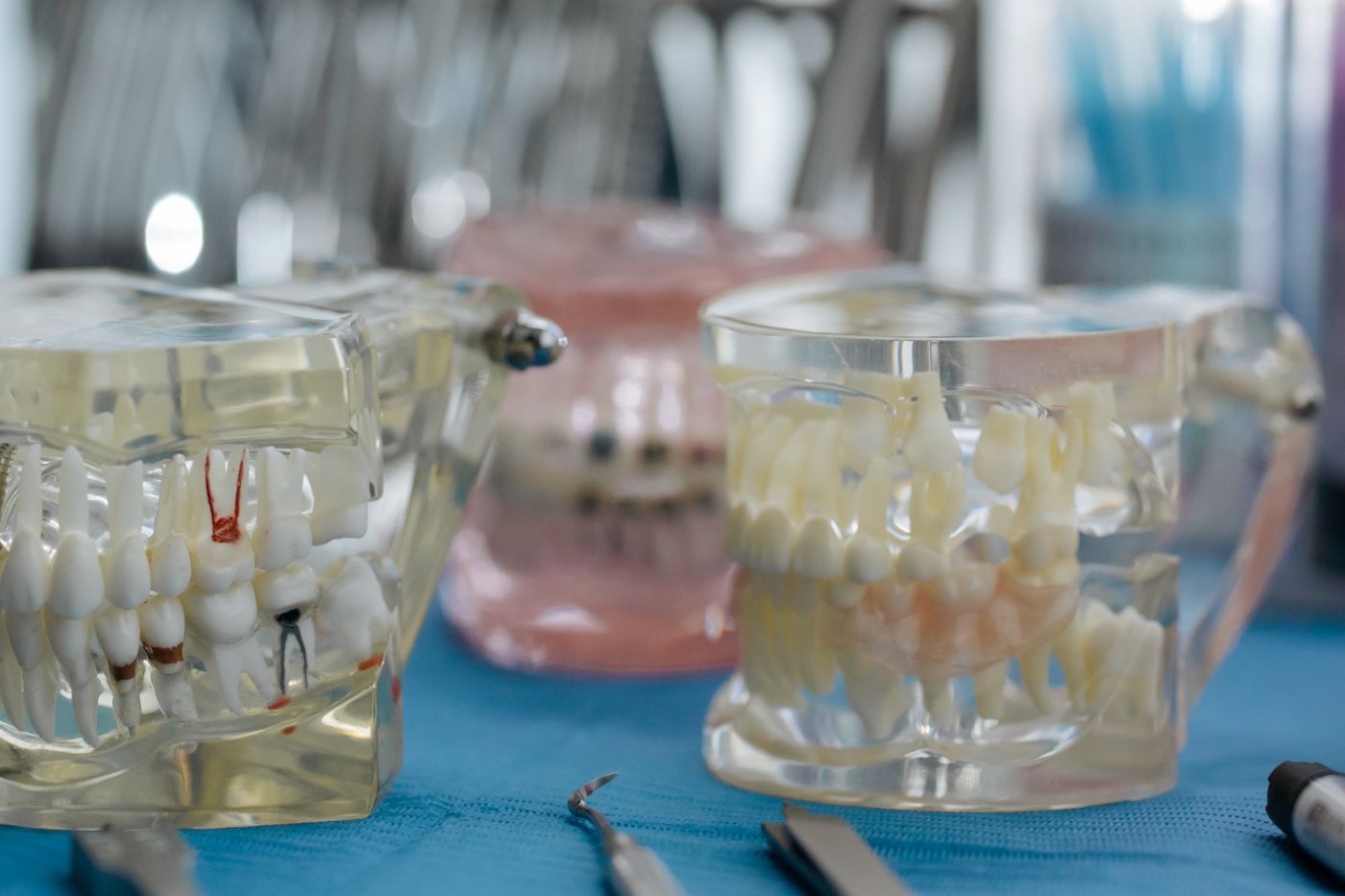
Whether a cracked tooth can be saved comes down to one thing: how far the crack travels. A chip off a cusp and a fracture running down into the root are the same word describing two completely different outcomes.
Endodontists classify cracks into five types. Knowing which one you have tells you almost everything about the prognosis — so that is where this guide starts.
Key takeaways
- The five crack types range from harmless surface lines to fractures that always mean extraction.
- Craze lines and fractured cusps are highly savable. Split teeth and vertical root fractures usually are not.
- Pain on releasing a bite, rather than on biting down, is the classic cracked-tooth signal.
- Most cracks do not show on an X-ray, which is why diagnosis depends on testing rather than imaging.
- Cracks spread. A tooth that is savable this month may not be in six.
The five types of cracked tooth
| Crack type | How far it runs | Typical symptoms | Can it be saved? |
|---|---|---|---|
| Craze lines | Enamel only; never reaches dentine | None — purely cosmetic | No treatment needed |
| Fractured cusp | A piece of the chewing surface breaks away, often beside a large filling | Sharp discomfort, sensitivity; rarely severe | Almost always — usually a crown |
| Cracked tooth | Vertically from the chewing surface toward the gum, pulp often involved | Pain on releasing a bite; temperature sensitivity | Often — roughly 80% stay vital after a crown |
| Split tooth | The crack has separated the tooth into distinct segments | Persistent pain, obvious mobility of a segment | Not intact — sometimes one root is retained |
| Vertical root fracture | Begins in the root and travels upward, often silent for years | Vague discomfort, gum swelling near the root | No — extraction is normally the only option |
Swipe the table sideways to see every column.
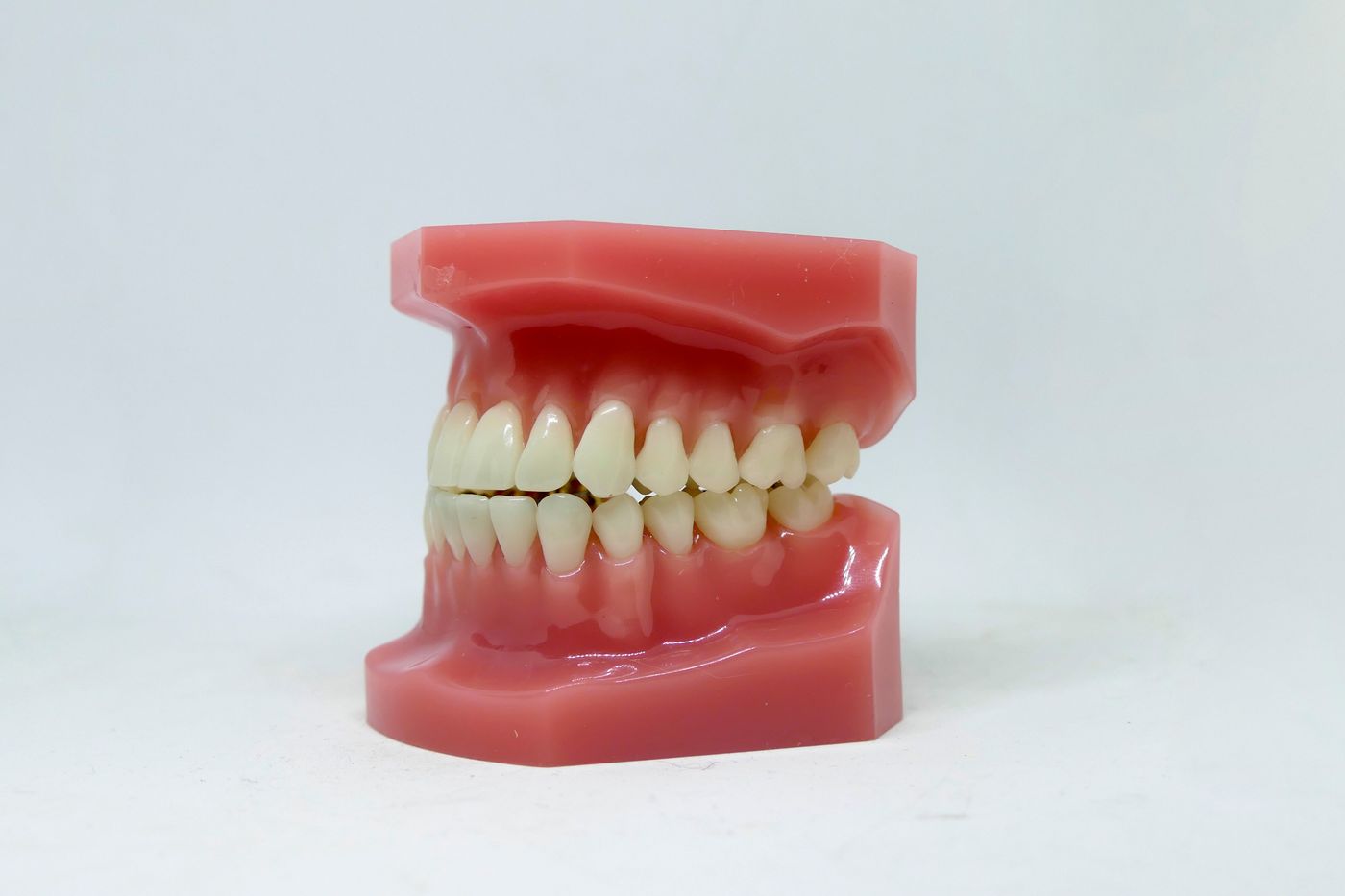
Our cracked teeth treatment page covers what each type involves clinically. The pattern worth noticing is that prognosis depends entirely on whether the crack has reached the root.
How to tell what you are dealing with
The signature symptom is pain on release. Biting wedges the crack open; letting go snaps it shut and pinches the pulp inside for a fraction of a second.

Beyond that, the picture is frustratingly vague. Patients often describe discomfort they cannot localise, sensitivity that comes and goes, and pain triggered only by certain foods at certain angles. Symptoms that persist between episodes suggest the pulp is now involved — our guide to what hot and cold sensitivity reveals about the nerve explains how to read that.
Why your X-ray probably looks normal
This is the single most common source of confusion. Most cracks run in the same plane as the X-ray beam, so there is nothing for the film to capture.
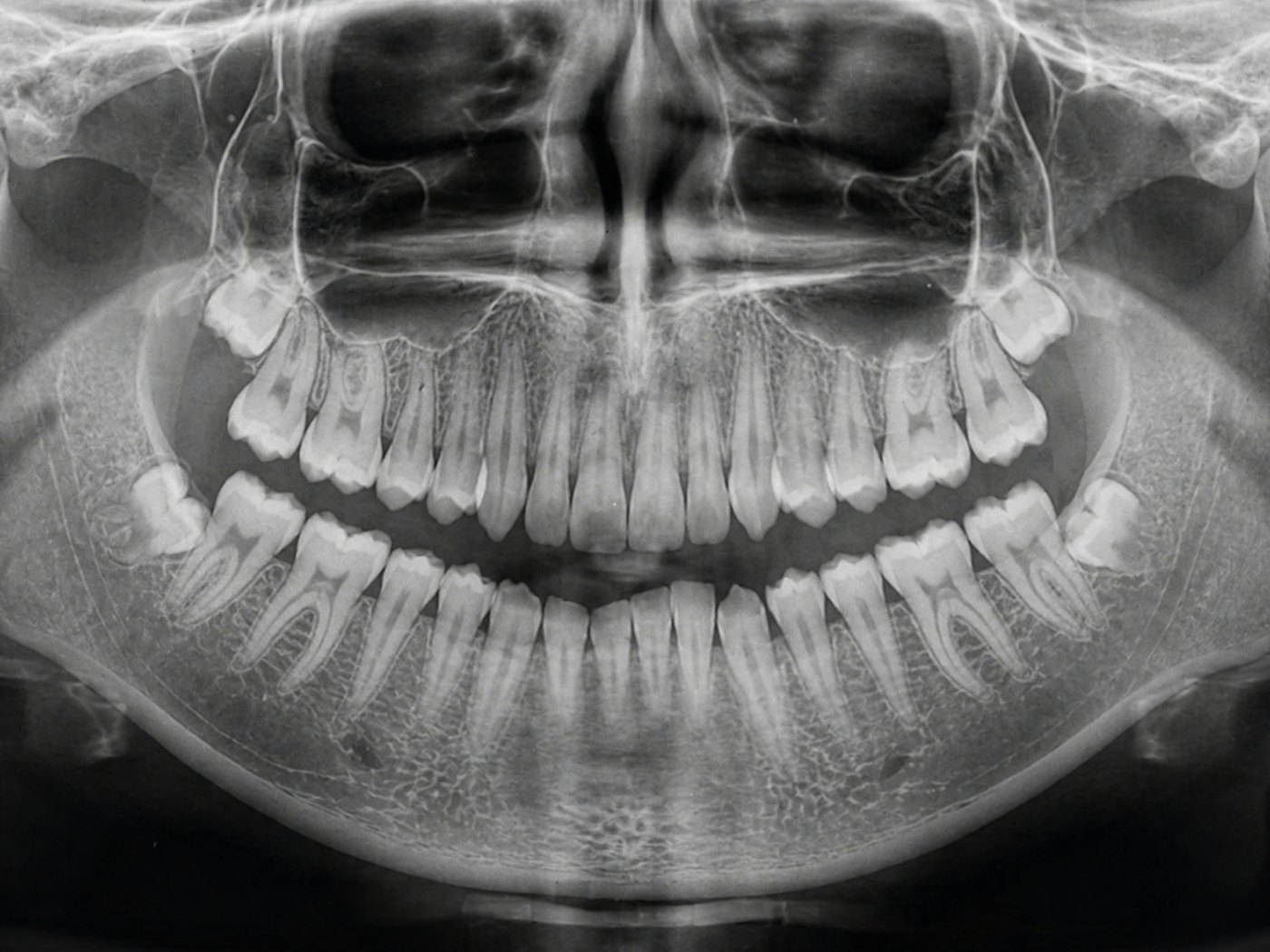
Diagnosis therefore relies on physical testing:
- Bite testing on individual cusps to find which one reproduces the pain.
- Transillumination — shining light through the tooth, where a crack interrupts the glow.
- Dye staining to make a fine crack visible.
- Magnification under a microscope, which reveals cracks invisible to the naked eye.
- 3D imaging in selected cases, which can show bone loss patterns typical of a root fracture.
Treatment by crack type
| Crack type | Usual treatment | Root canal needed? | Typical outlook |
|---|---|---|---|
| Craze lines | None; whitening or bonding if cosmetically bothersome | No | Excellent |
| Fractured cusp | Crown, occasionally an onlay | Only if the pulp is exposed | Excellent |
| Cracked tooth | Crown; root canal first if the pulp is involved | Frequently | Good if treated before the crack extends |
| Split tooth | Extraction, or removal of one root in a molar | If a segment is retained | Guarded |
| Vertical root fracture | Extraction | No — treatment will not hold | Poor |
Swipe the table sideways to see every column.
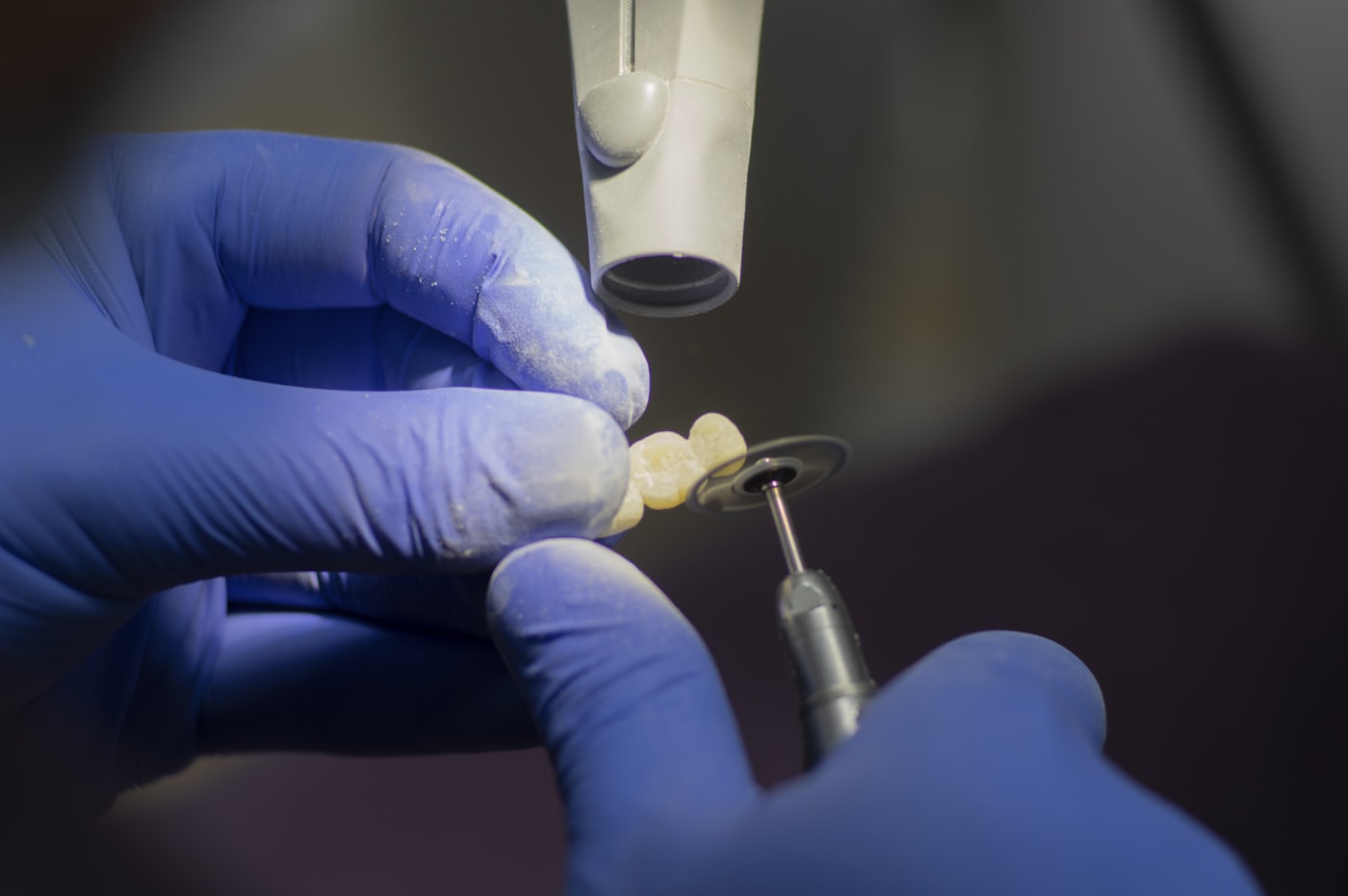
A crown is not cosmetic here. It binds the tooth so that biting forces are redirected around the crack instead of driving it deeper, which is why a temporary filling is not an adequate substitute.
Where the pulp is involved, the sequence matters: root canal treatment first, then the crown, and the crown should not be delayed. If a previously treated tooth cracks, endodontic retreatment or endodontic surgery may be considered, though a crack changes that calculation considerably.
Why waiting makes the decision for you
Cracks propagate. Every bite drives the fracture fractionally further, and the direction of travel is always toward the root.

That is what makes this genuinely time-sensitive. A cracked tooth treated promptly is often a crown and nothing more. The same tooth six months later can be a split tooth — and by then the choice has been made for you. If pain becomes severe or swelling appears, see which symptoms need same-day emergency care.
Sensible prevention helps too: our tips for protecting and saving your natural teeth covers night guards for grinding, which is the most common underlying cause we see.
Getting a straight answer about your tooth
Assessing a crack is exactly the kind of judgement general dentists refer for — the question is not what treatment exists but whether it will hold. See why an endodontist is the right specialist for a cracked tooth.

If the answer is that it cannot be saved, the alternatives to a root canal and what each costs long term lays out what comes next. Cleveland Clinic’s overview of cracked and fractured teeth is a solid independent reference. You can also contact our Charleston endodontic office directly.
Frequently asked questions
Can a cracked tooth heal on its own?
No. Unlike bone, tooth structure has no capacity to repair itself. A crack can only be stabilised from the outside, usually with a crown that holds the segments together under chewing load.
Why does my cracked tooth hurt when I let go of a bite rather than when I bite down?
Biting wedges the crack open and releasing lets it snap shut, which momentarily pinches the pulp inside. That release pain is the most characteristic symptom of cracked tooth syndrome.
Will an X-ray show my cracked tooth?
Usually not. Most cracks run in the same plane as the X-ray beam and are invisible on a standard film. Diagnosis relies on bite testing, transillumination, dye and magnification instead.
How much does it cost to save a cracked tooth?
A crown alone typically runs $1,000–$2,500. If the pulp is involved, add root canal treatment at roughly $700–$1,500. Both together still usually cost less over ten years than extraction and an implant.
Have Questions or Ready to Schedule?
Our team is here to help — call, email, or request an appointment online.